 ×
×
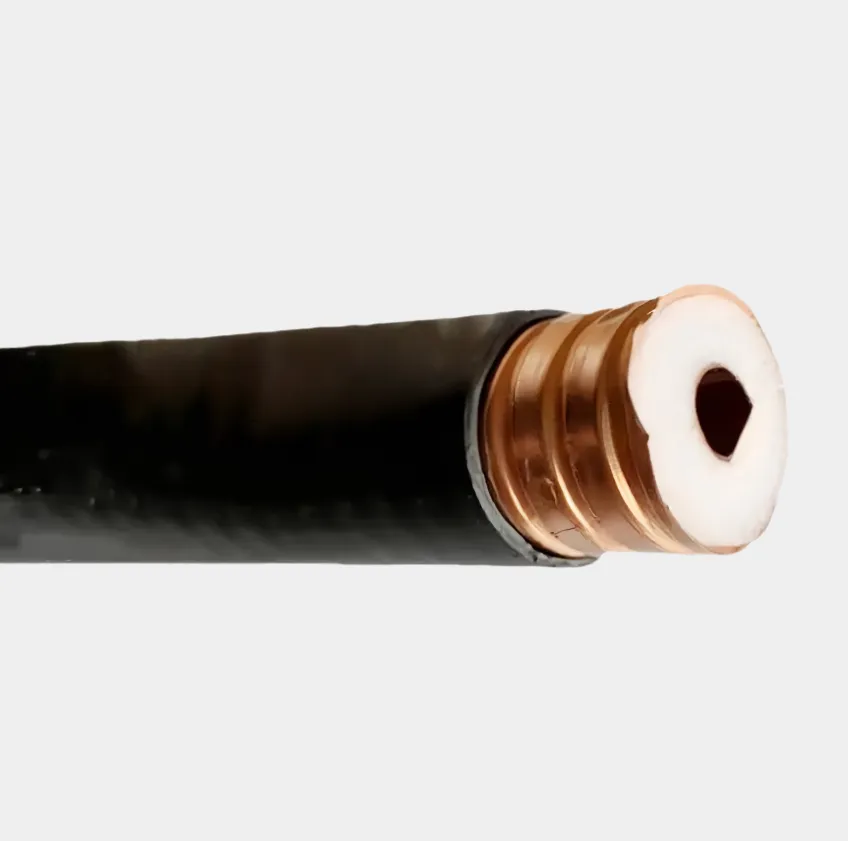
Ethernet cable costs vary based on type, performance, length, and additional features, reflecting their suitability for different network environments. Basic unshielded twisted pair (UTP) cables like Cat5e, designed for speeds up to 1 Gbps over 100 meters, are the most affordable, with prices typically ranging from a few cents to a dollar per meter, making them ideal for home or small office networks. Cat6 cables, supporting 10 Gbps over shorter distances (55 meters) and featuring better insulation to reduce crosstalk, are pricier, often costing 50% to 100% more than Cat5e. Shielded variants (STP or FTP) of Cat6 or Cat6a, which include metal shielding to minimize EMI in industrial or high interference settings, are even more expensive due to the added materials and manufacturing complexity. Cat7 and Cat8 cables, designed for 10 Gbps+ speeds over longer distances or higher frequencies, command premium prices, suitable for data centers or high performance networks. Length is another factor: bulk spools (100+ meters) offer lower per meter costs than pre cut shorter lengths. Brand and certification (e.g., compliance with TIA/EIA standards) also influence pricing—reputable brands with rigorous testing may charge more but ensure consistent performance. Compared to coaxial cables, Ethernet cables are generally cheaper for short distance, low frequency data transmission, though high performance Ethernet variants can approach or exceed the cost of mid range coaxial cables in specific applications.
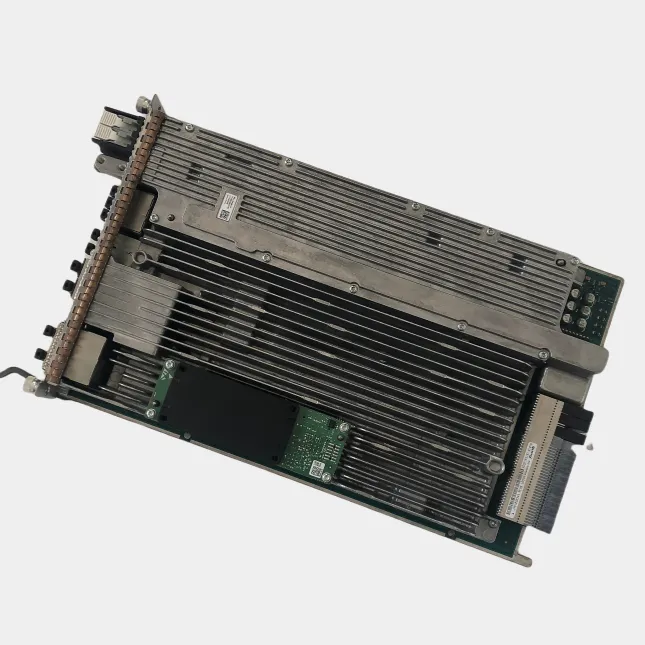
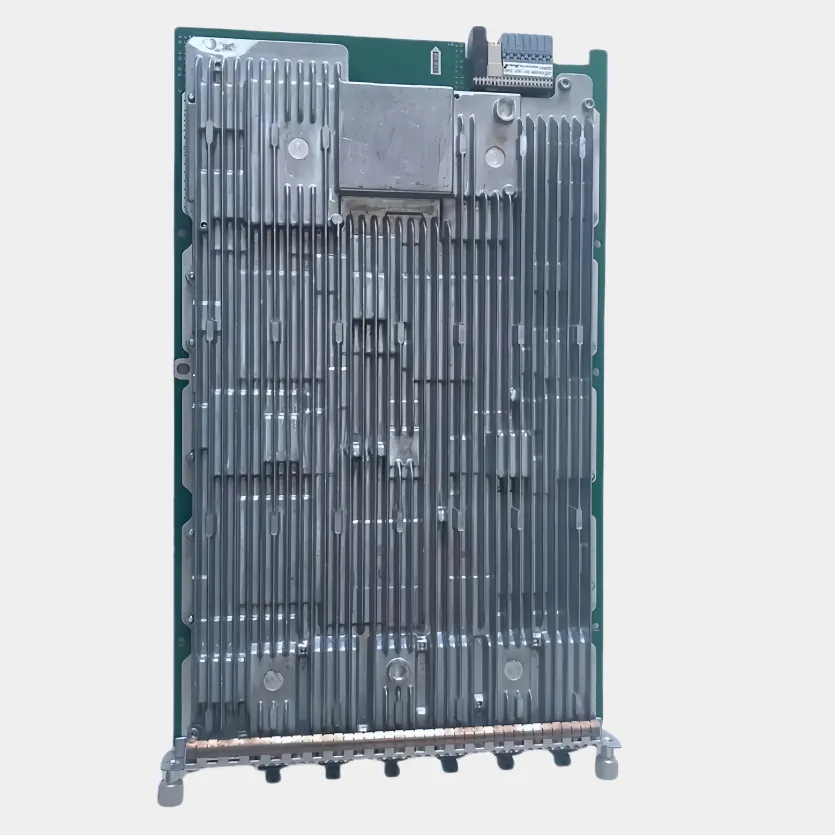
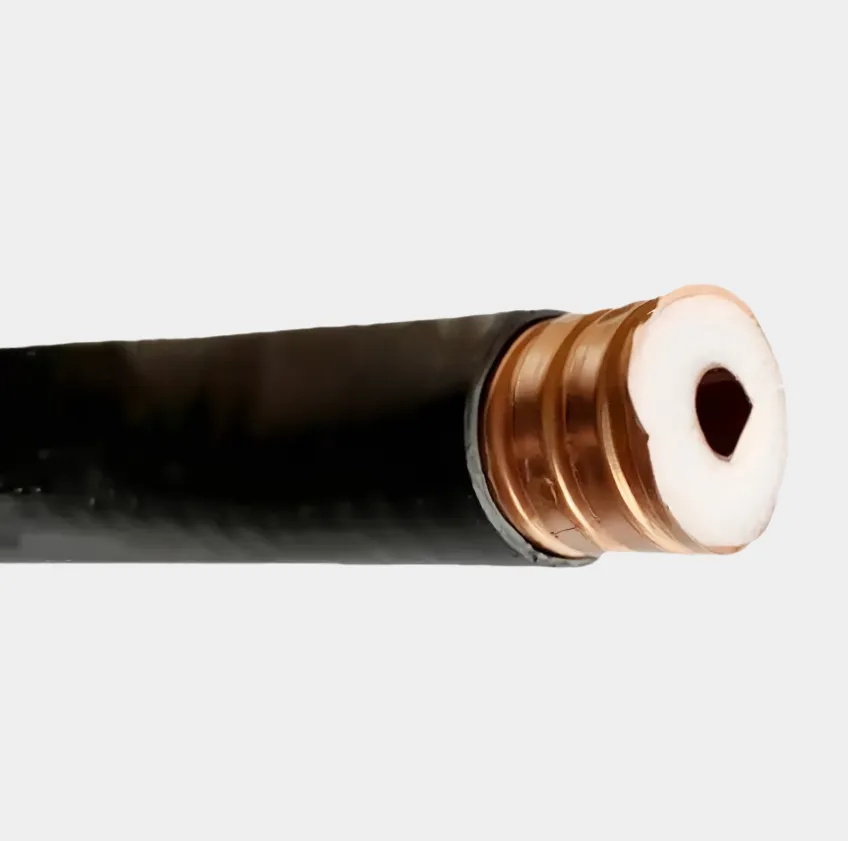
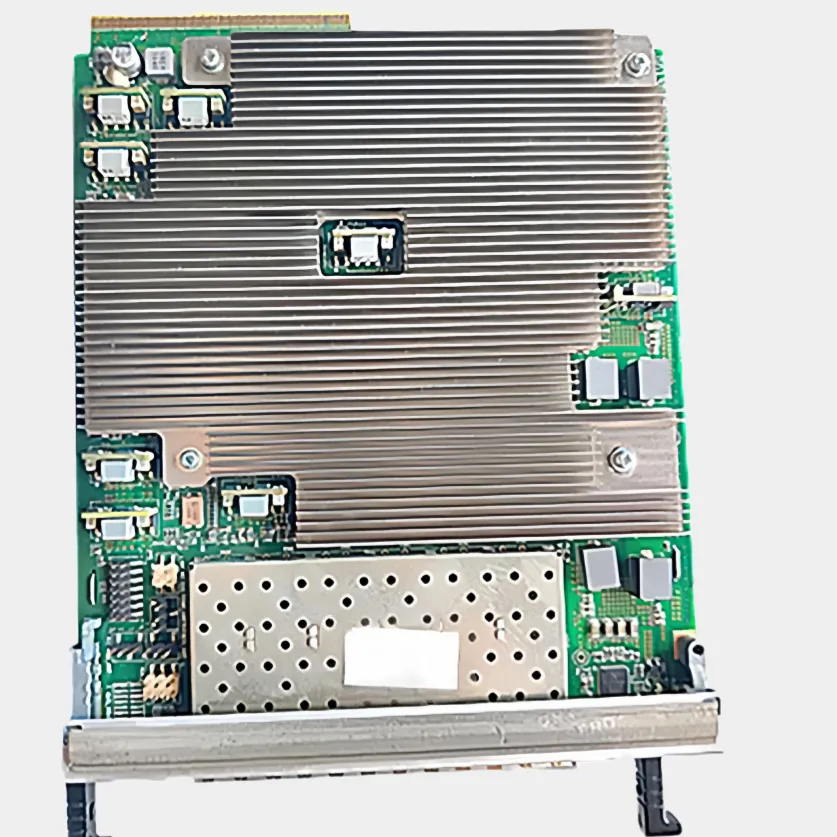
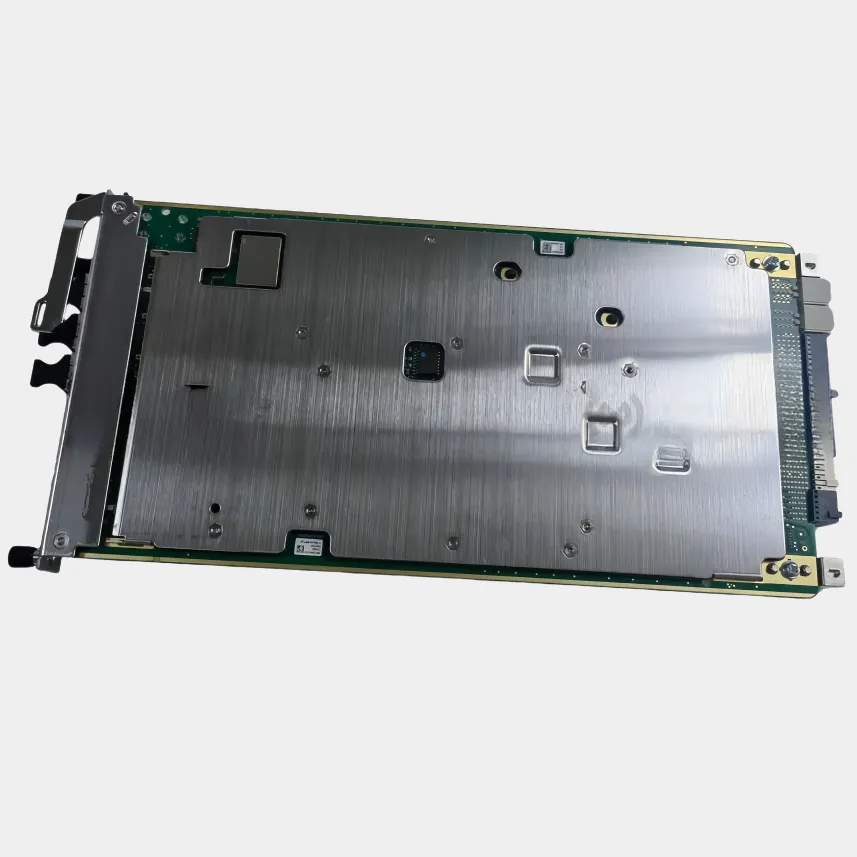
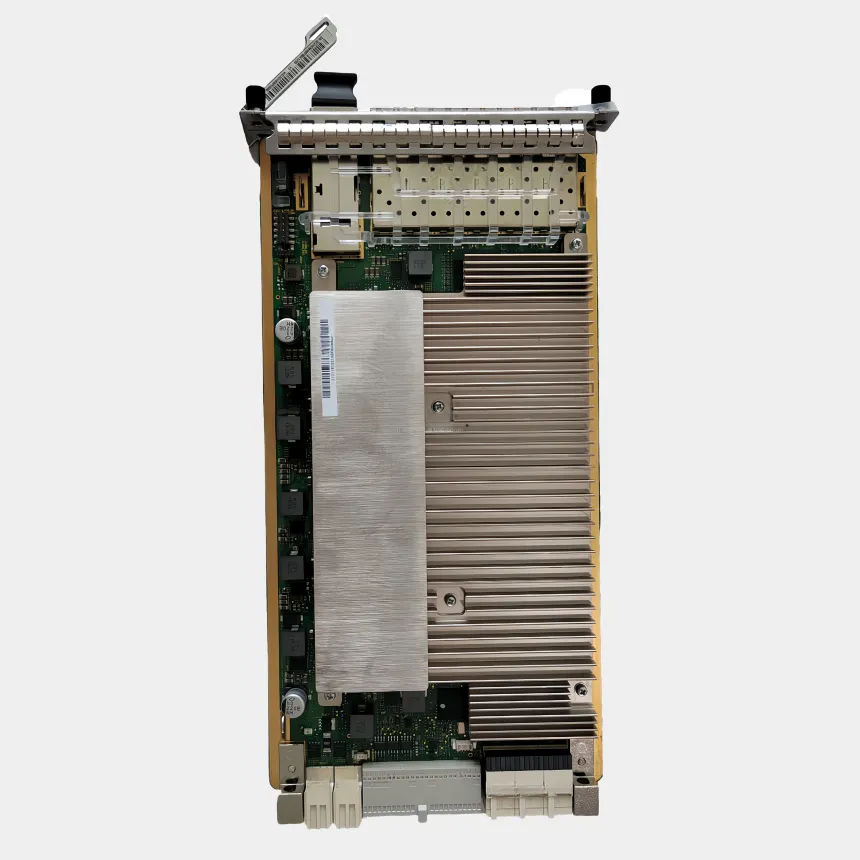
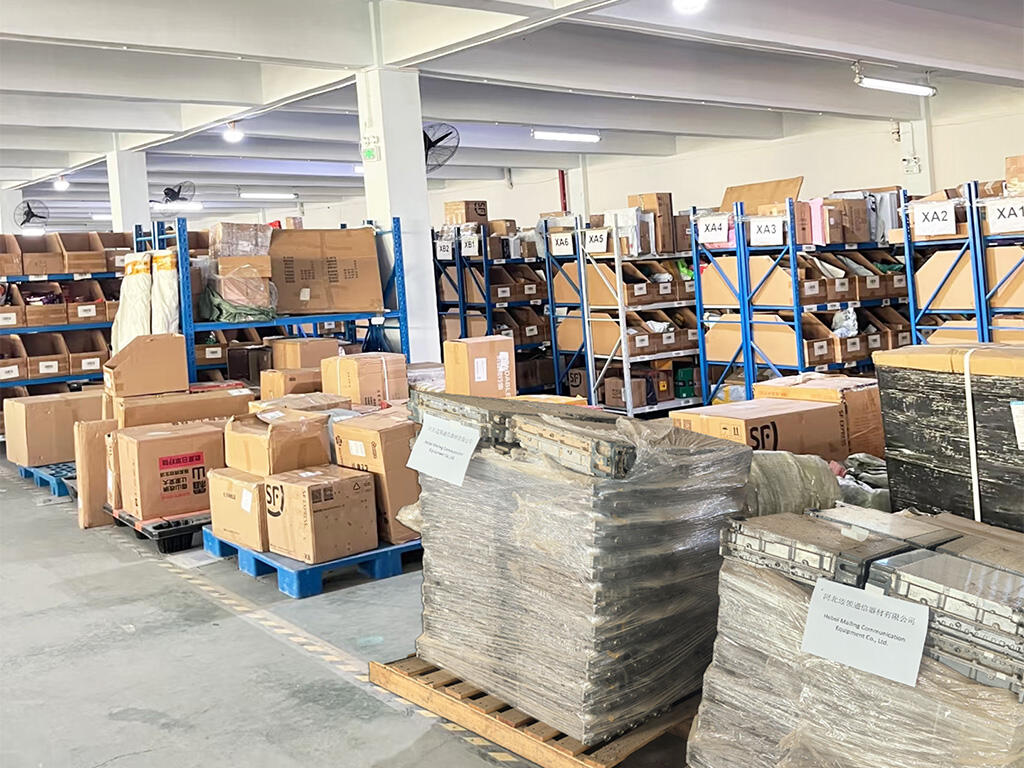
Hebei Mailing Communication Equipment Co., Ltd. offers high-quality RRU, BBU, and communication infrastructure solutions. Specializing in stable, high-strength equipment for global telecom, military, aerospace & industrial sectors. Trusted delivery worldwide.

 EN
EN