 ×
×
Cat 6 Ethernet cable is a high performance twisted pair cable engineered to support 10 Gigabit Ethernet (10 Gbps) data transfer rates over distances up to 55 meters, with a maximum bandwidth of 250 MHz, making it a cornerstone of modern wired networks. Its construction features four pairs of 23 AWG (American Wire Gauge) copper conductors, each twisted at a tighter and more consistent rate than lower category cables (e.g., Cat 5e) to minimize crosstalk electromagnetic interference between adjacent pairs that degrades signal integrity at high frequencies. A key design element is the longitudinal separator, a plastic spine that physically isolates the four pairs, reducing alien crosstalk (interference from nearby cables) in dense installations such as data centers or structured cabling systems. Cat 6 cables are available in both unshielded (UTP) and shielded (STP/FTP) variants: UTP is cost effective for home and office use with low EMI (Electromagnetic Interference), while STP (Shielded Twisted Pair) or FTP (Foil Twisted Pair) includes metallic shielding around each pair or the entire cable, ideal for industrial environments or near power lines where interference is prevalent. Installation requires adherence to strict standards minimum bend radius of 4 times the cable diameter (typically 19 mm) and maximum pull tension of 25 pounds to avoid damaging conductors or disrupting twist patterns. Cat 6 is backward compatible with slower categories (Cat 5e, Cat 5), allowing integration into existing networks while providing a path to higher speeds. Its performance makes it suitable for bandwidth intensive applications: 4K/8K video streaming, large file transfers, and home lab setups, where reliable 10 Gbps connectivity is critical. Proper termination with high quality RJ45 connectors (preferably shielded for STP cables) ensures optimal performance, as poor terminations are a leading cause of signal loss in Cat 6 deployments.
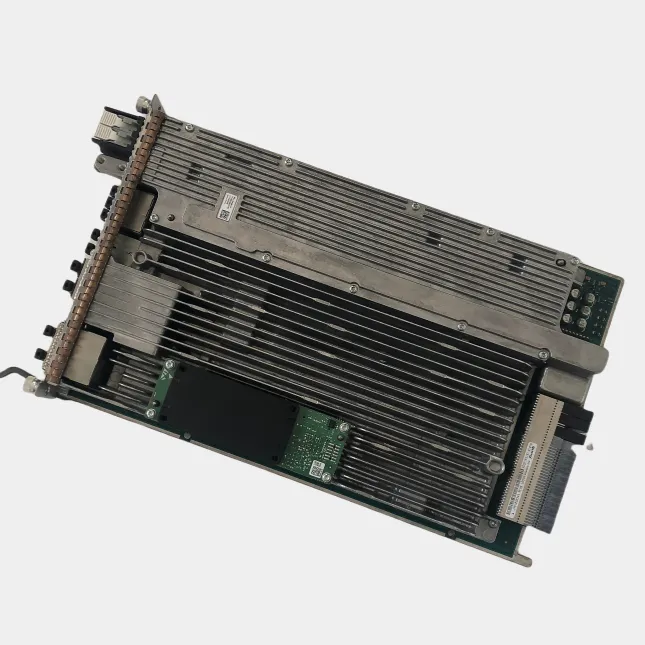
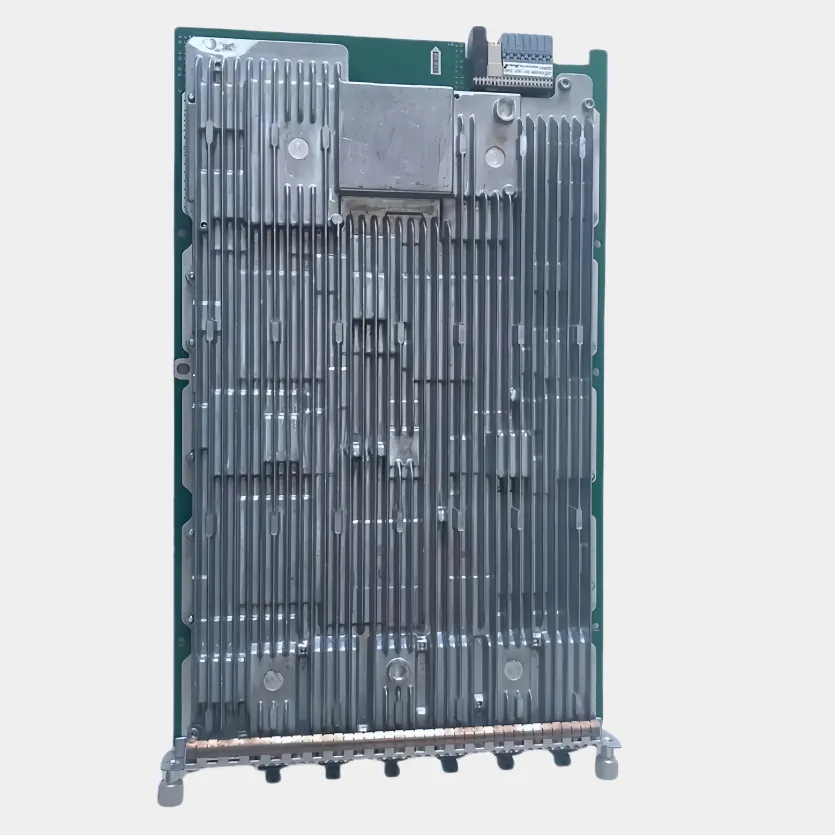
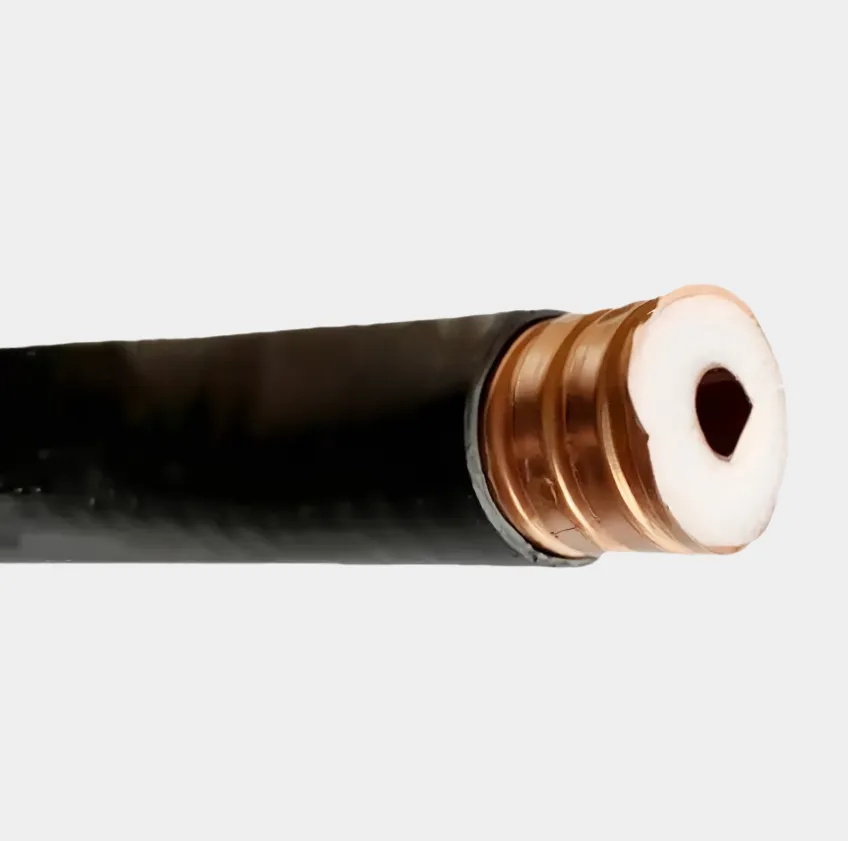
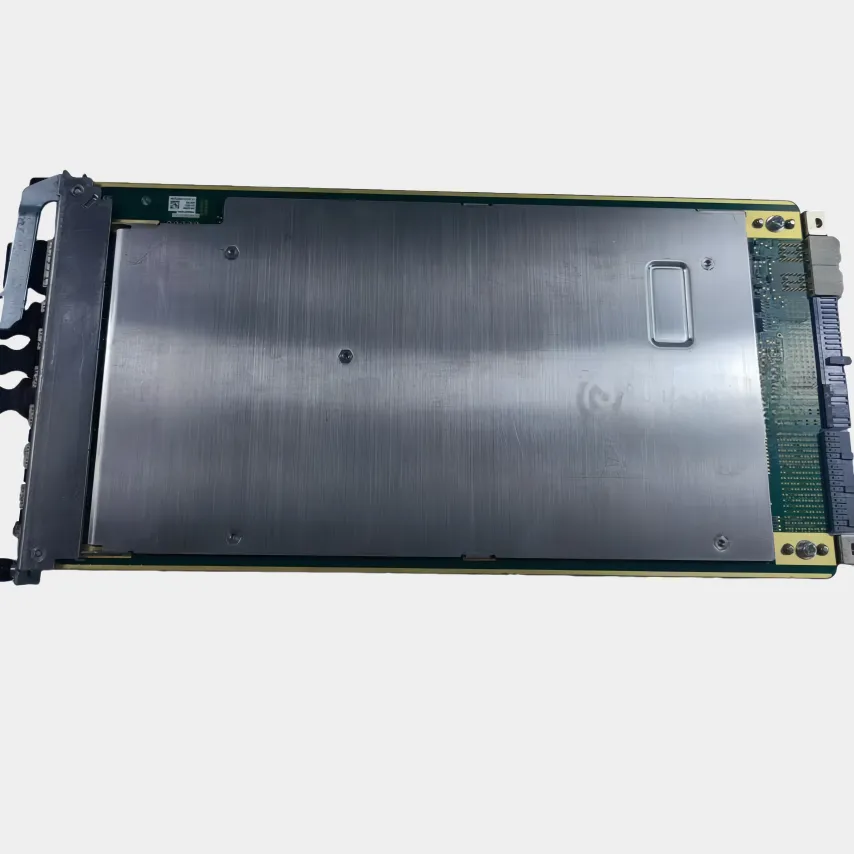
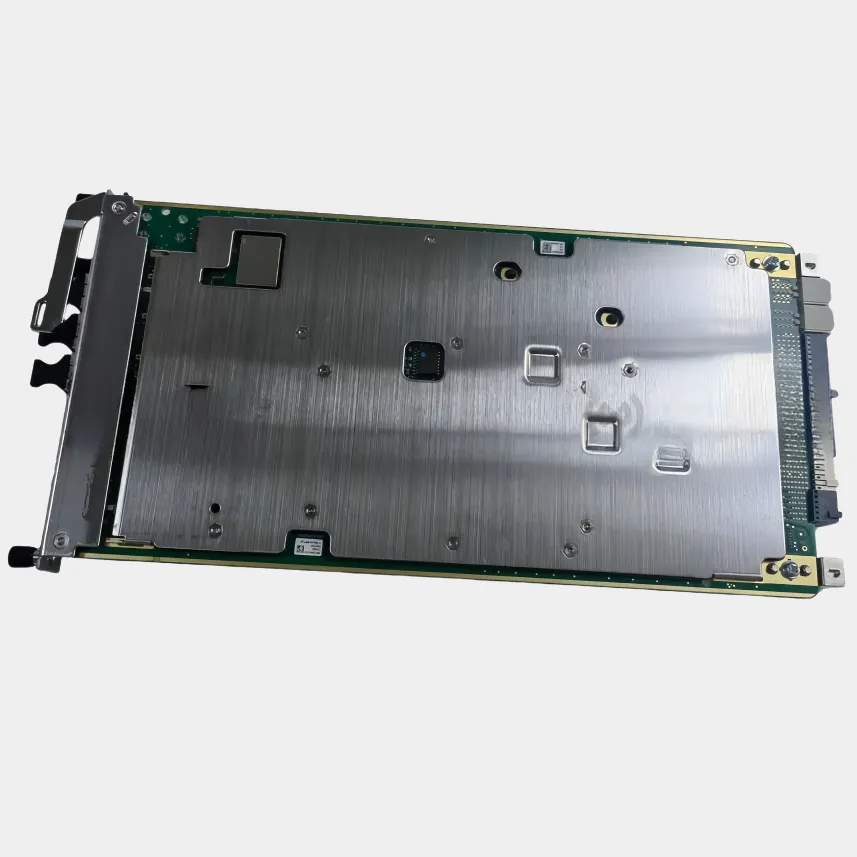
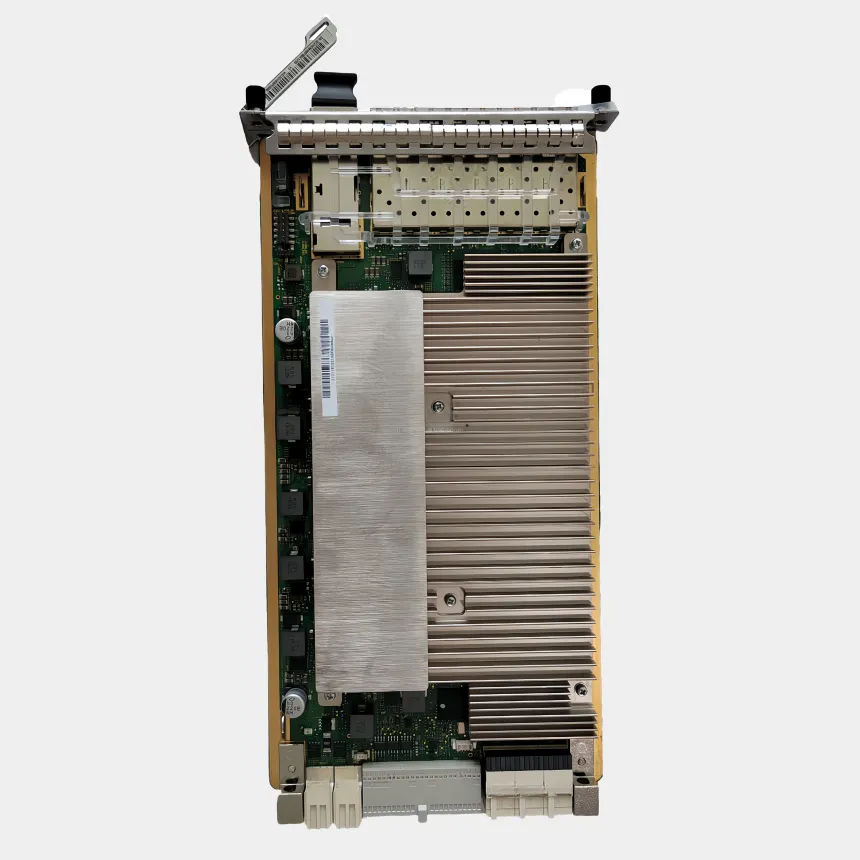
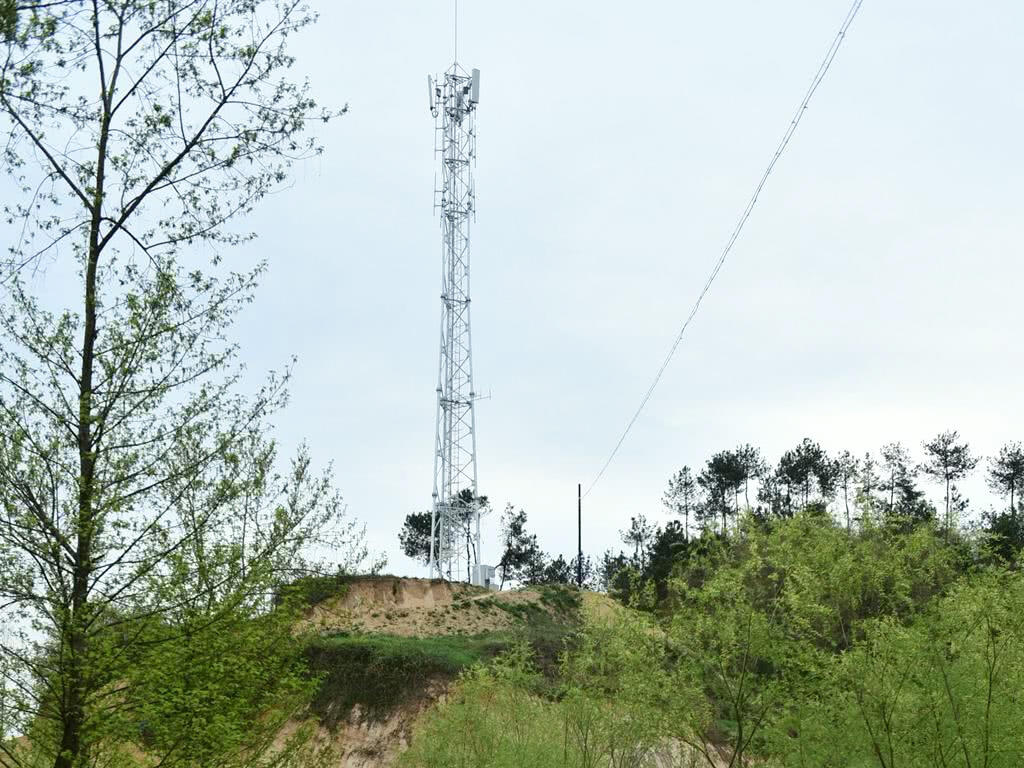
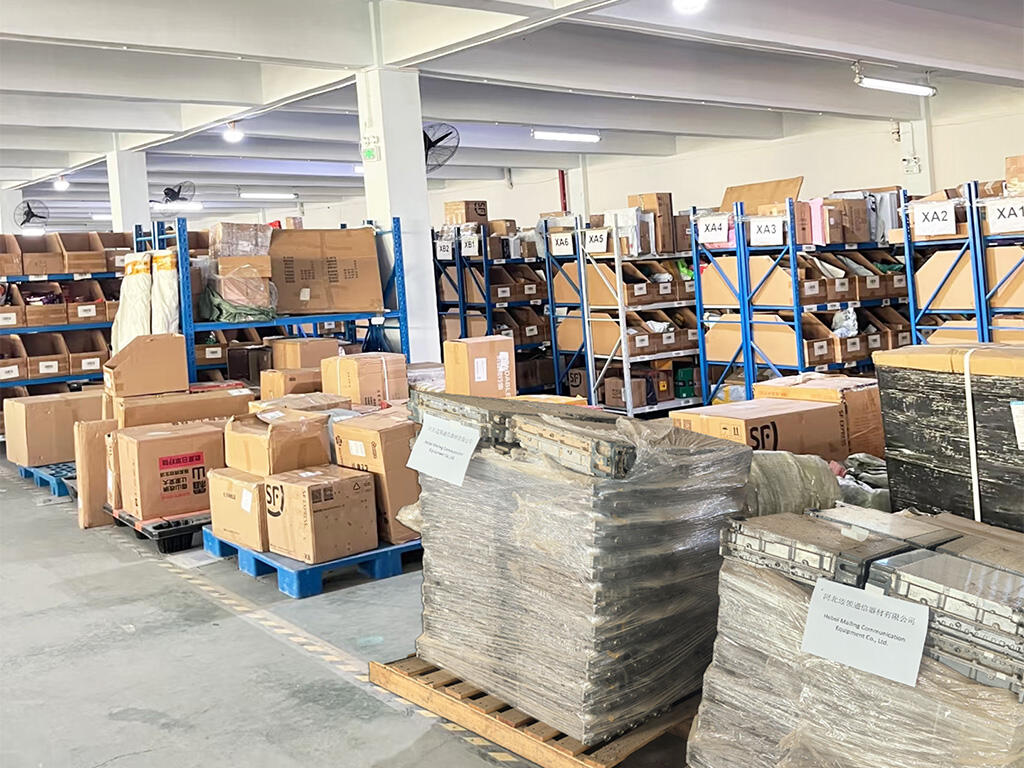
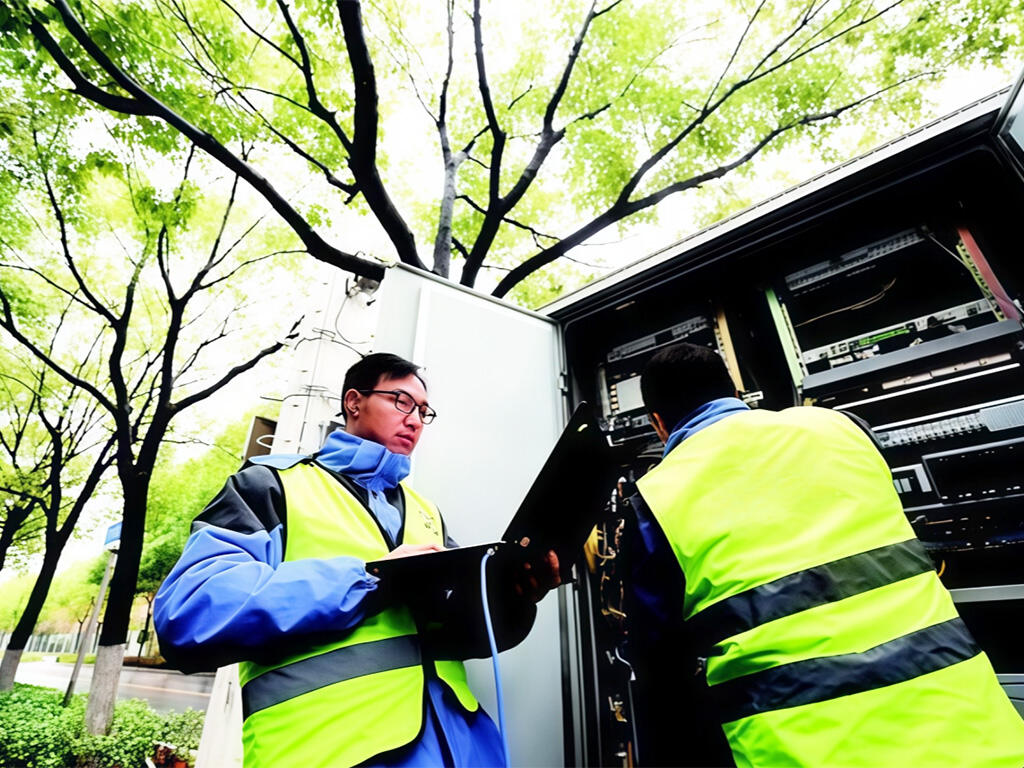
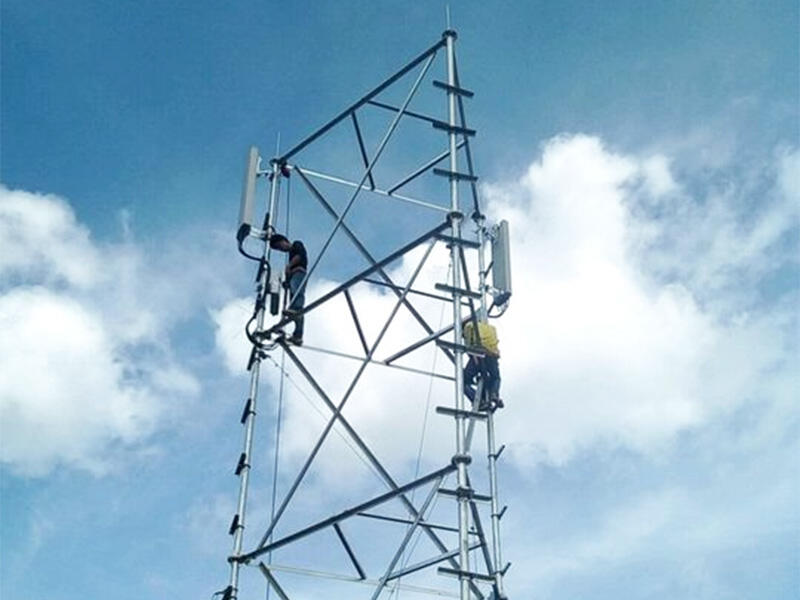
Hebei Mailing Communication Equipment Co., Ltd. offers high-quality RRU, BBU, and communication infrastructure solutions. Specializing in stable, high-strength equipment for global telecom, military, aerospace & industrial sectors. Trusted delivery worldwide.

 EN
EN