 ×
×
Category (Cat) cables, a family of twisted pair Ethernet cables, are foundational to wired local area networks (LANs), varying in performance to meet evolving bandwidth and speed demands. Cat5e, the most ubiquitous, supports 1 Gbps at 100 MHz over 100 meters, with enhanced crosstalk reduction compared to legacy Cat5, making it ideal for home and small office networks. Cat6, designed for higher performance, doubles the bandwidth to 250 MHz and supports 10 Gbps up to 55 meters, featuring stricter twist ratios and optional shielding (STP or FTP) to minimize interference in busy environments like offices with dense device deployment. Cat6a (augmented) extends 10 Gbps support to 100 meters by expanding bandwidth to 500 MHz and improving shielding, suitable for data centers and enterprise networks. Cat7 and Cat7a push further, with 600 MHz and 1000 MHz bandwidths respectively, supporting 10 Gbps over 100 meters and 40 Gbps over shorter distances, using fully shielded twisted pairs (S/FTP) for maximum EMI resistance. Cat8, the latest, operates at 2000 MHz, enabling 40 Gbps up to 30 meters, targeted at high speed data center links. All Cat cables rely on twisted pairs to cancel out electromagnetic interference, with more twists per inch enhancing performance. The choice depends on application: Cat5e suffices for basic gigabit needs, while Cat6a or higher is necessary for future proofing networks against 10 Gbps and beyond. Installation quality matters—exceeding bend radii or improper termination can negate performance gains, emphasizing the need for certified installers and high quality connectors.
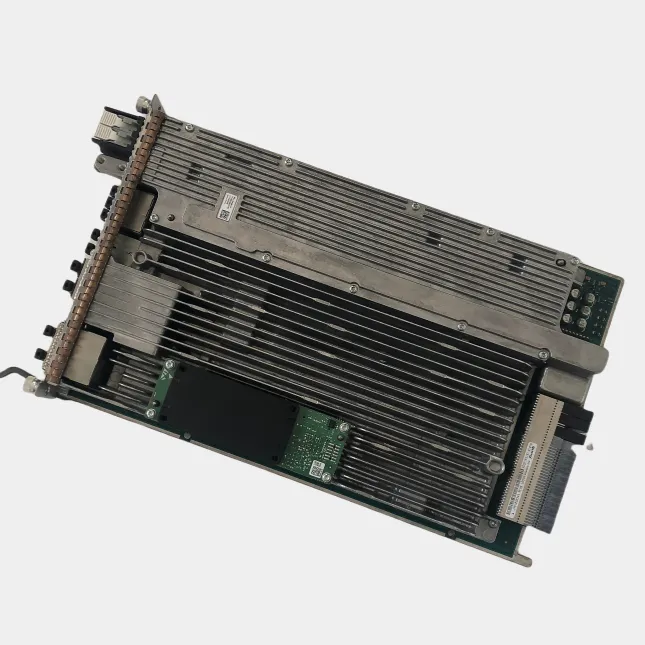
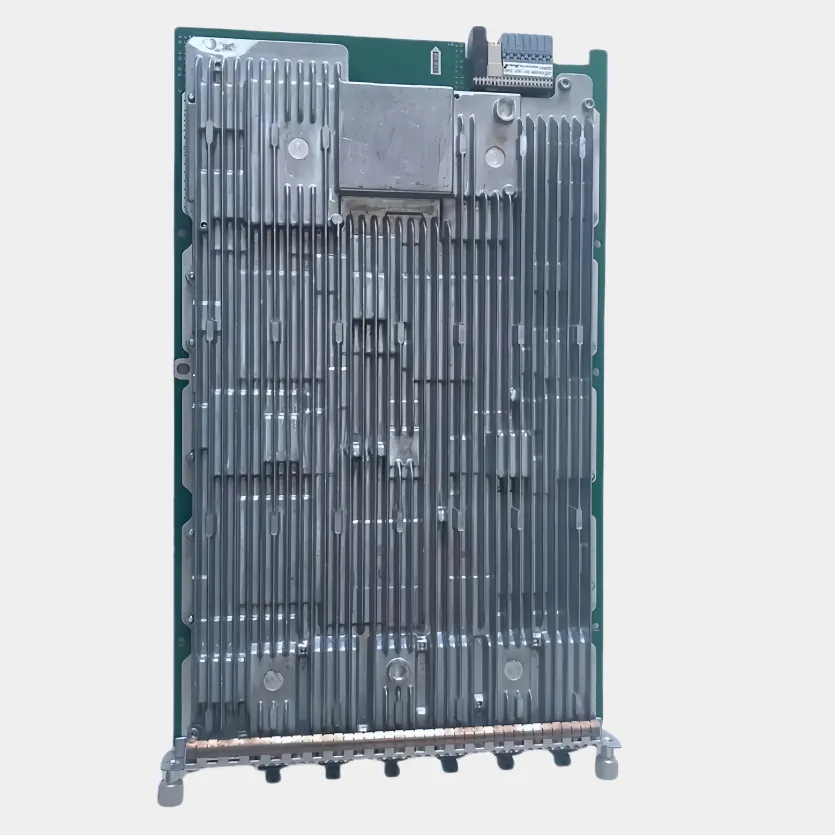
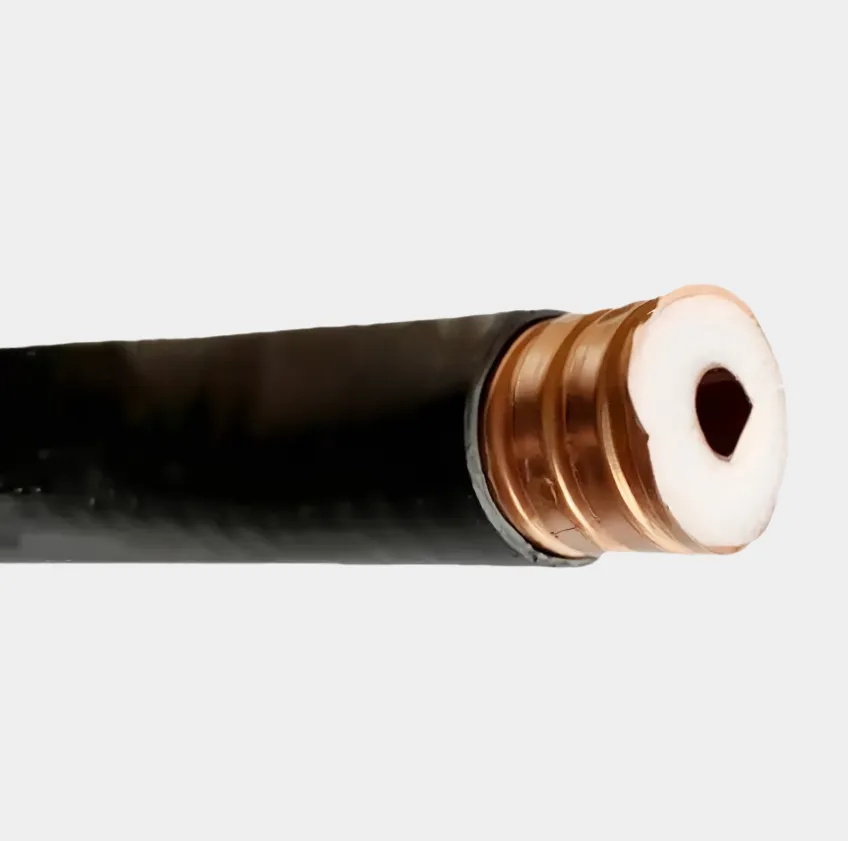
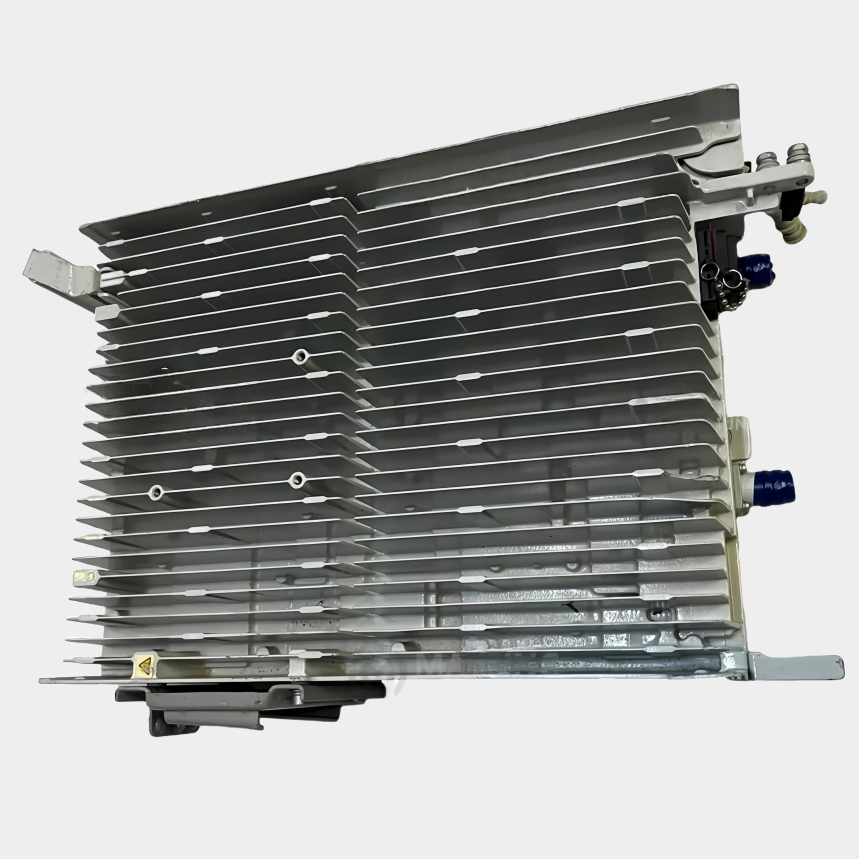
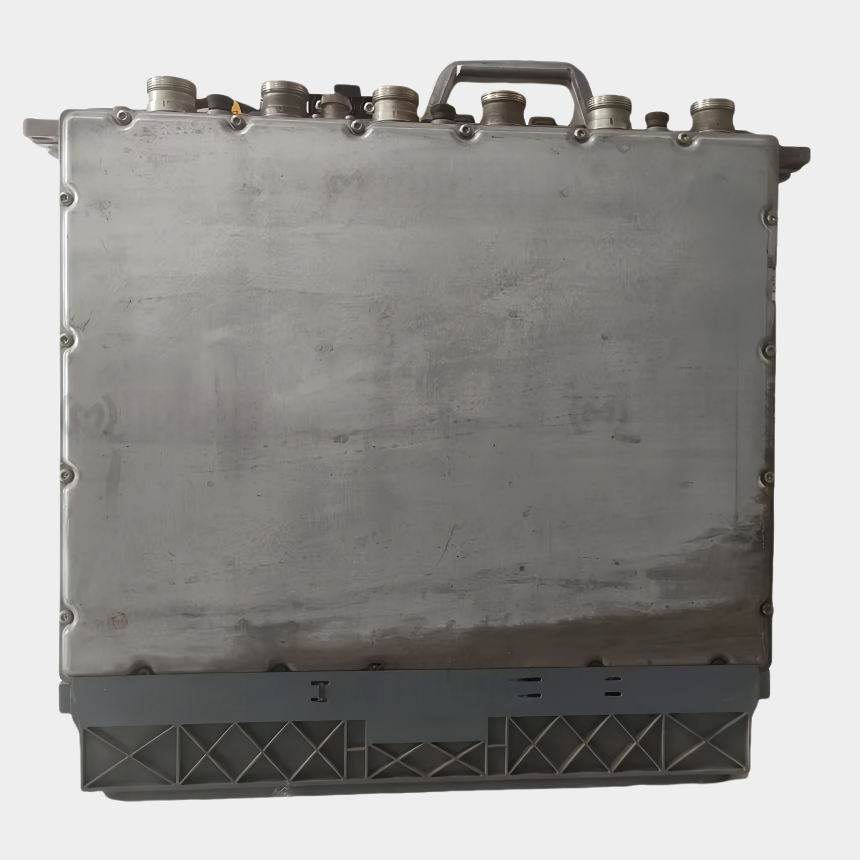
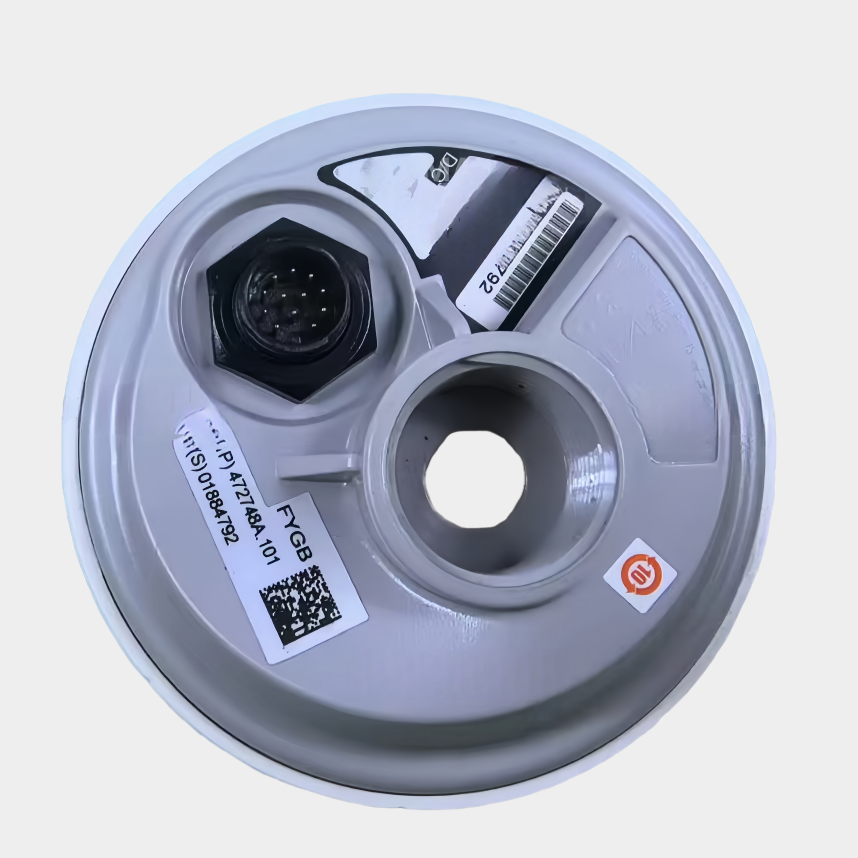
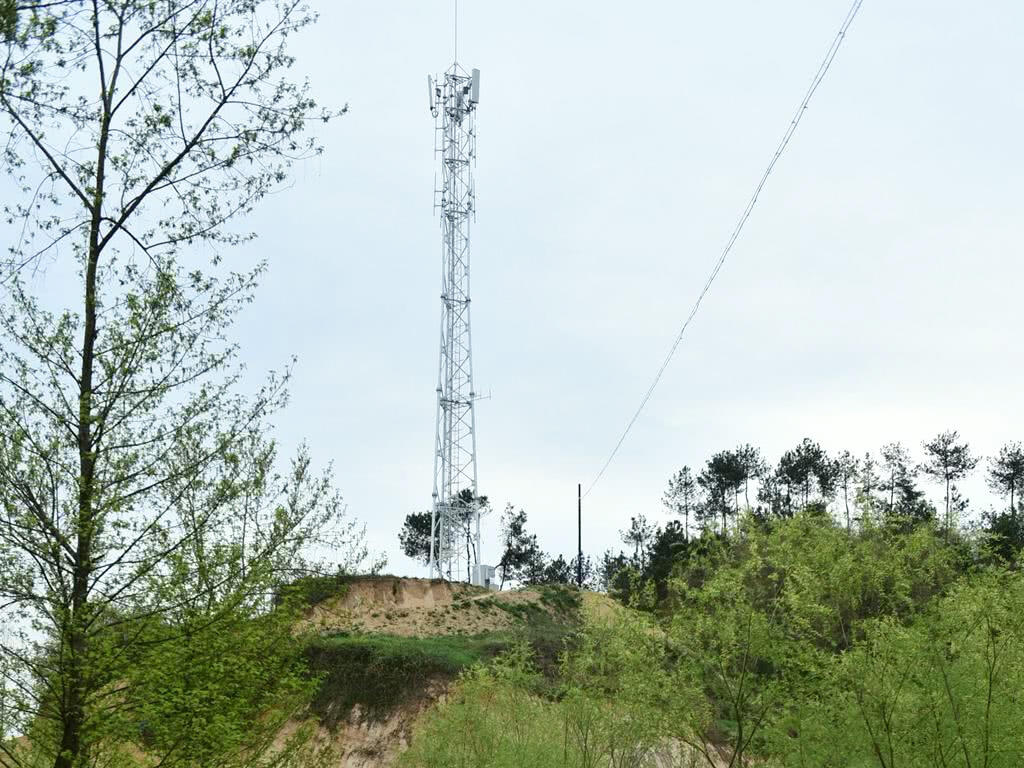
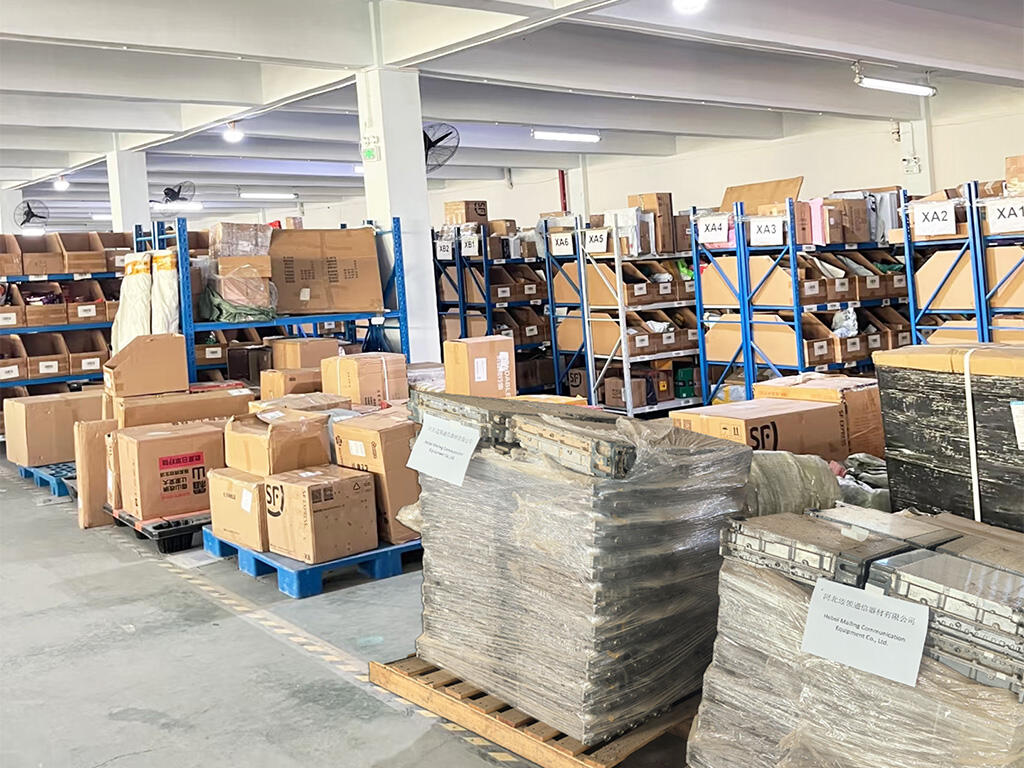
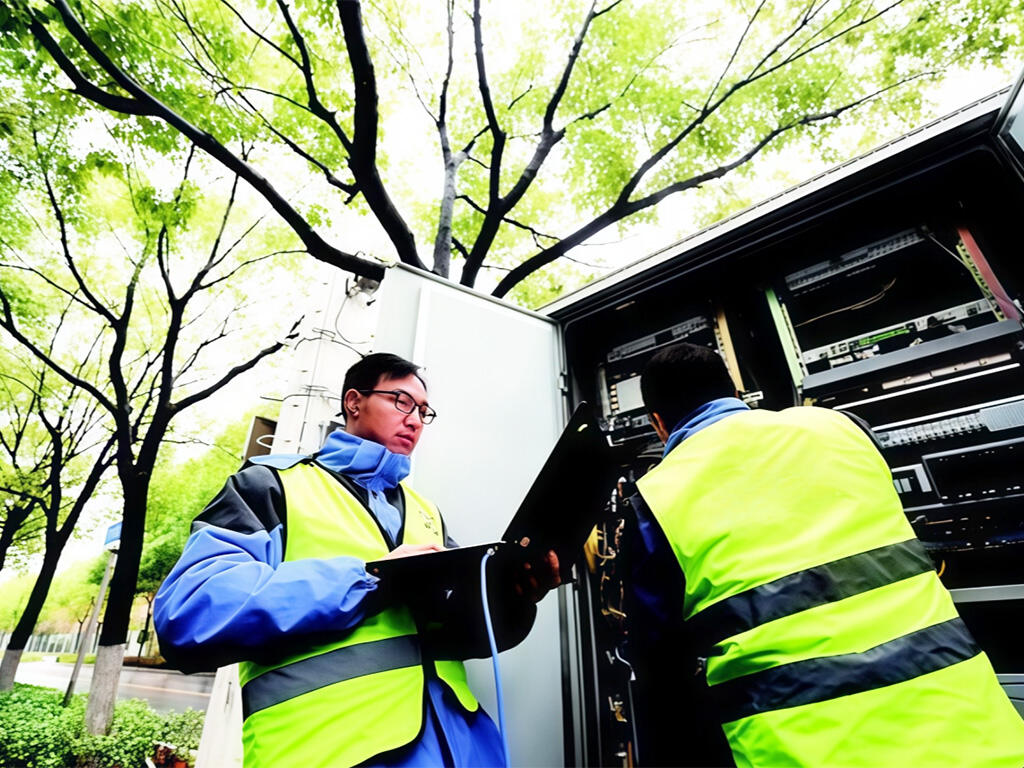
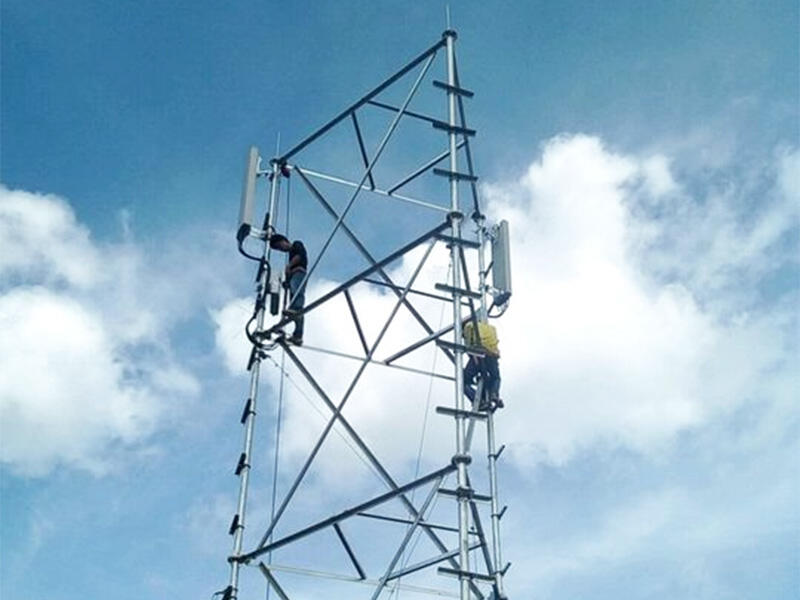
Hebei Mailing Communication Equipment Co., Ltd. offers high-quality RRU, BBU, and communication infrastructure solutions. Specializing in stable, high-strength equipment for global telecom, military, aerospace & industrial sectors. Trusted delivery worldwide.
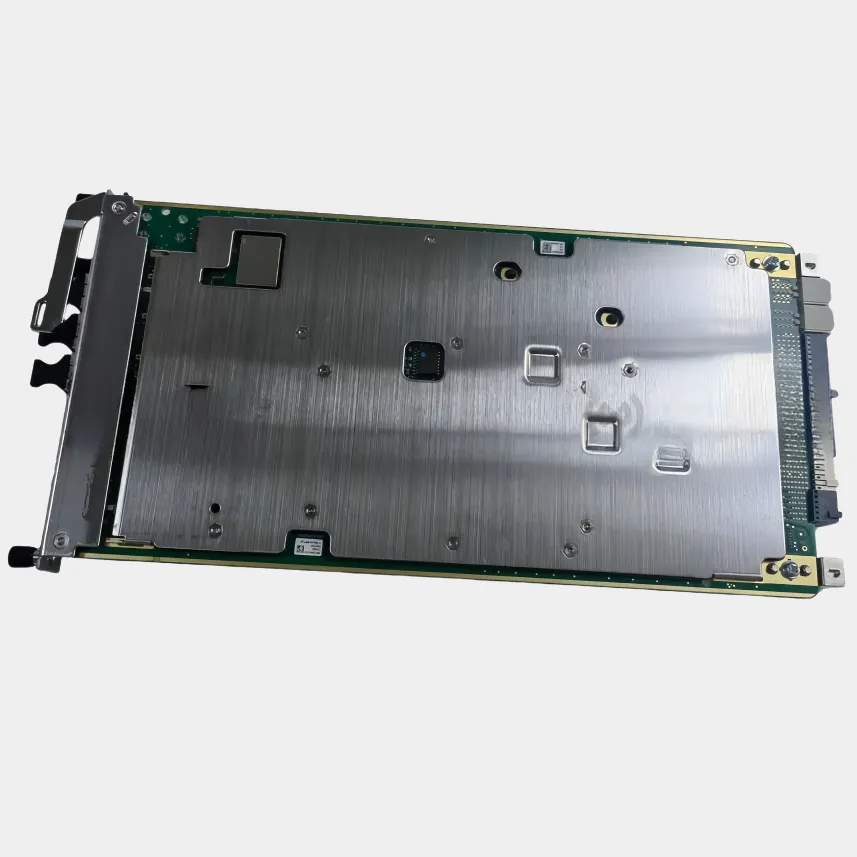
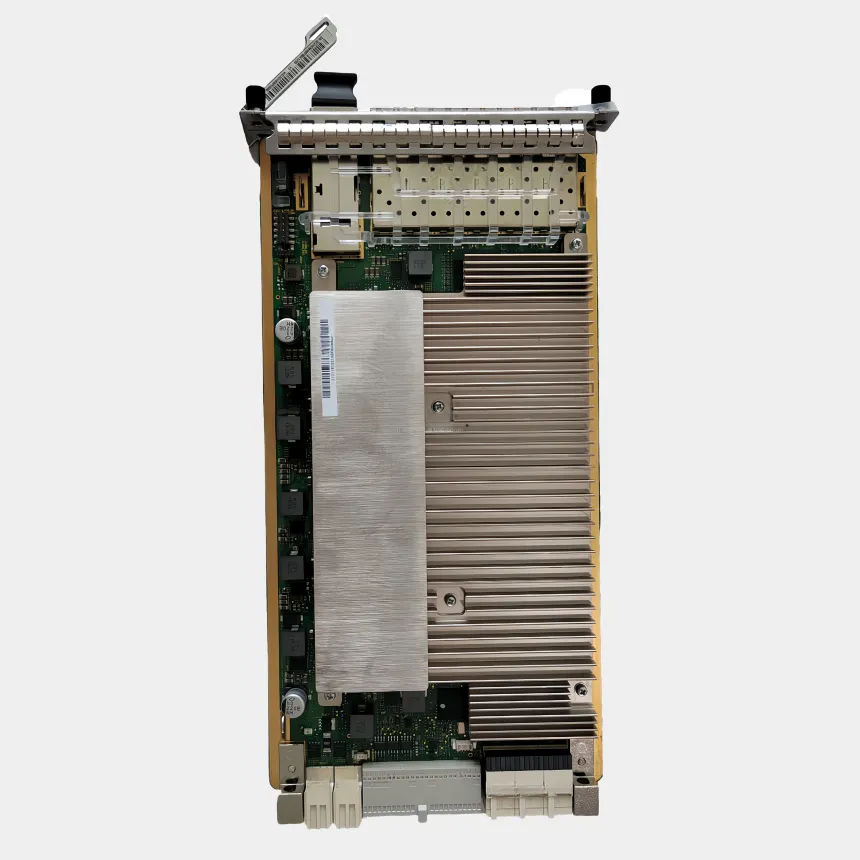

 EN
EN