 ×
×
A high quality Ethernet cable for gaming must prioritize low latency, stability, and resistance to interference to ensure a competitive edge, where milliseconds can determine outcomes. Gaming networks demand consistent data flow with minimal jitter, making Cat6 or higher cables preferable over Cat5e, as they offer stricter crosstalk and attenuation standards. Cat6, with 250 MHz bandwidth, supports 10 Gbps speeds up to 55 meters, reducing bottlenecks during intense gameplay or streaming. Shielded variants (STP or FTP) are ideal for environments with high EMI, such as near routers, microwaves, or gaming consoles, as the metallic shielding blocks external interference that can cause packet loss. Copper purity is another factor cables with 99.9% oxygen free copper (OFC) conductors ensure better conductivity and lower signal loss than copper clad aluminum (CCA) alternatives. Connector quality matters too; gold plated RJ45 connectors resist corrosion, maintaining a stable connection over time, while snagless boots protect the cable from damage during frequent movement. Length is critical excessive length (over 100 meters) increases latency, so gamers should use the shortest cable needed (e.g., 1 5 meters for console to router setups). For competitive gaming, Cat6a is even better, supporting 10 Gbps over 100 meters with 500 MHz bandwidth, future proofing against faster internet plans. Avoid flat or excessively flexible cables, as they often sacrifice twisted pair integrity, leading to higher interference. Ultimately, the best gaming cable balances performance and practicality: shielded, Cat6 or higher, with high purity copper and robust connectors, ensuring minimal latency and maximum reliability during critical gameplay moments.
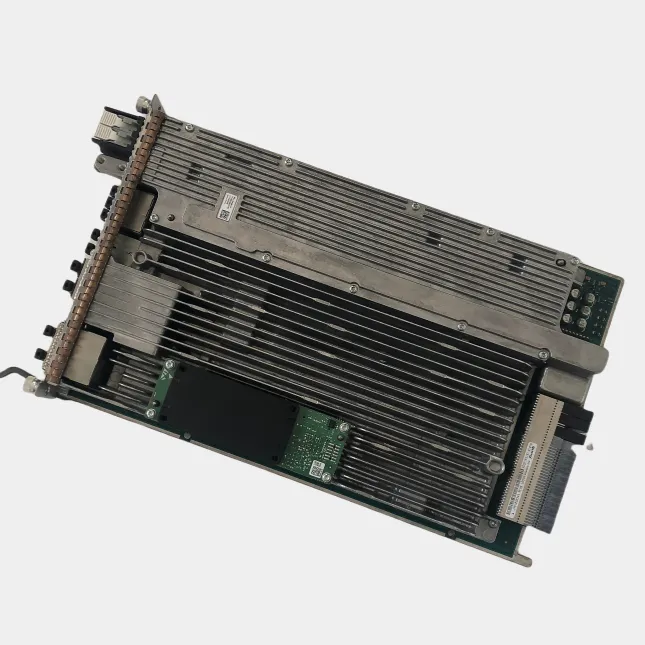
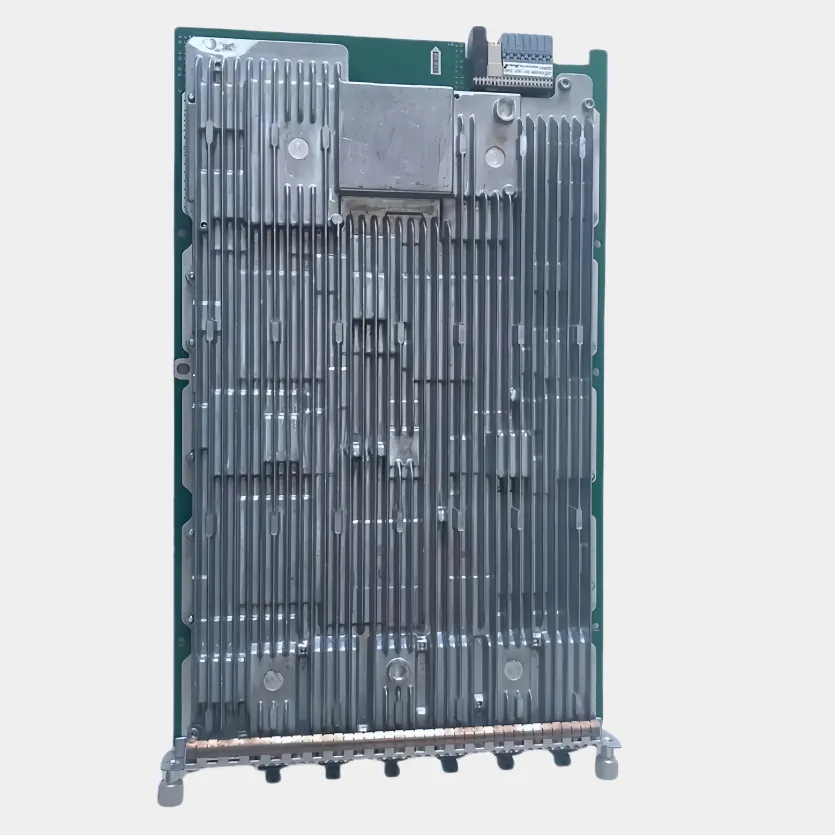
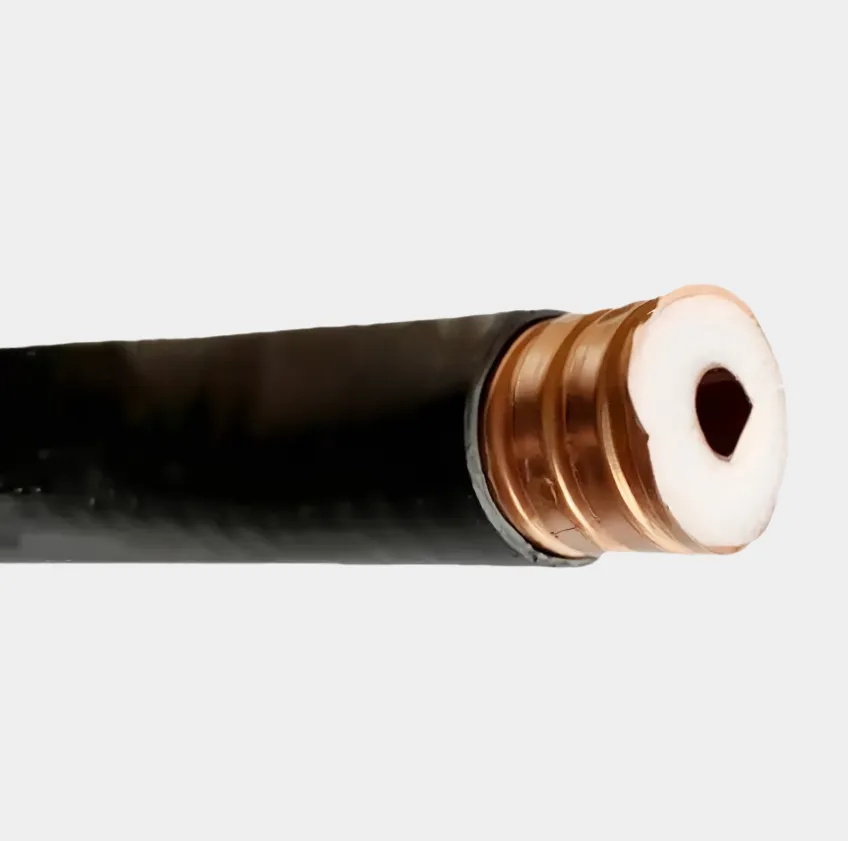
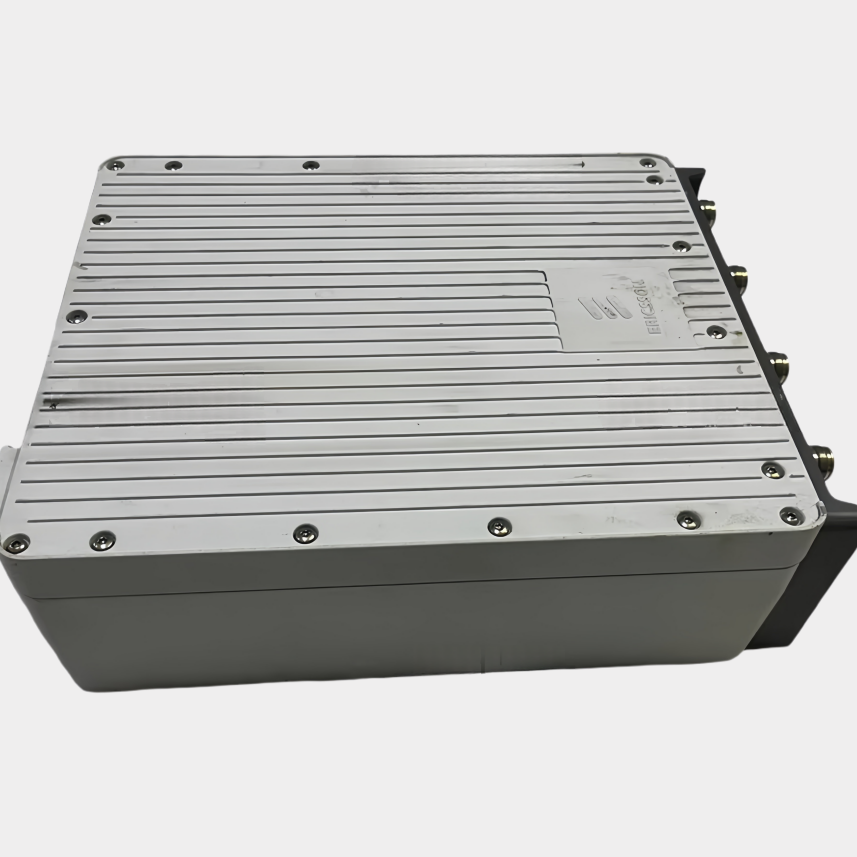
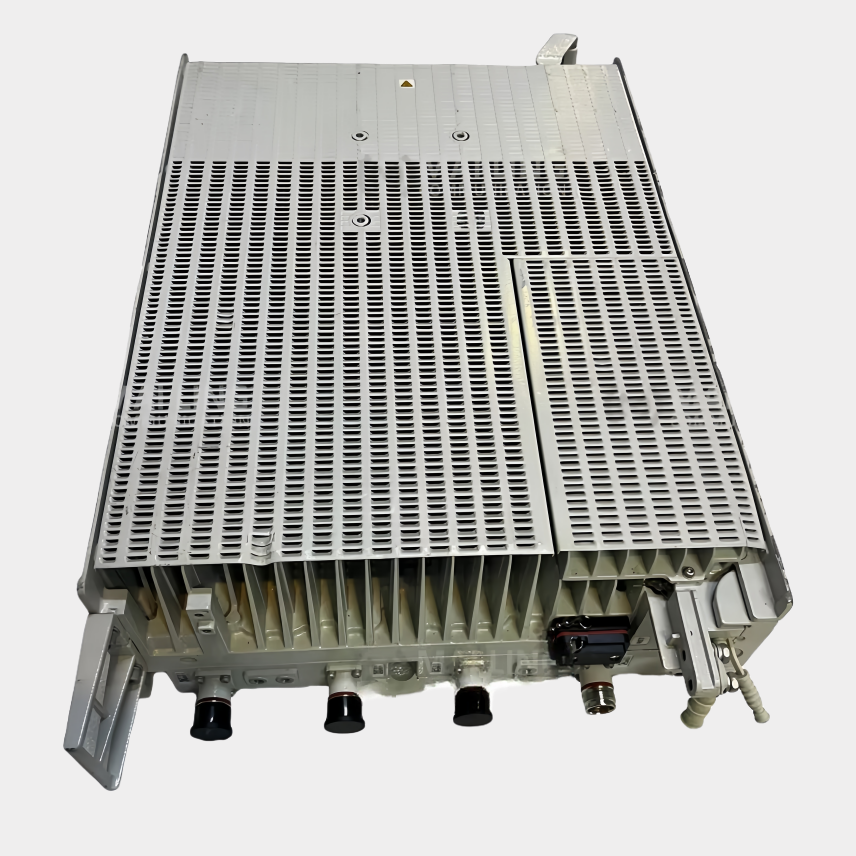
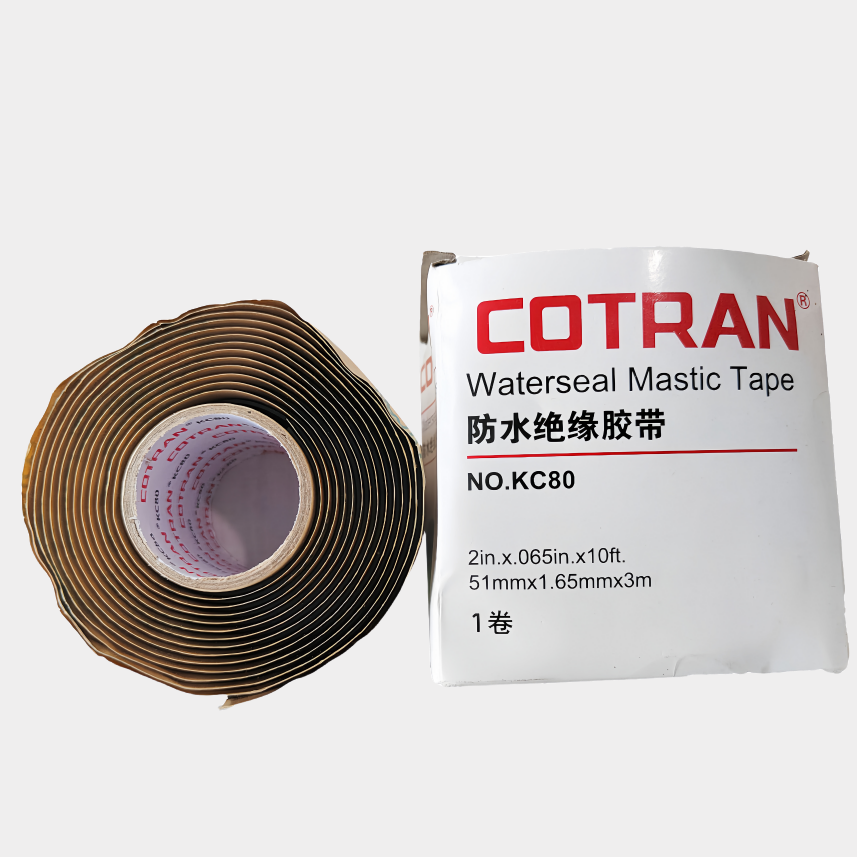
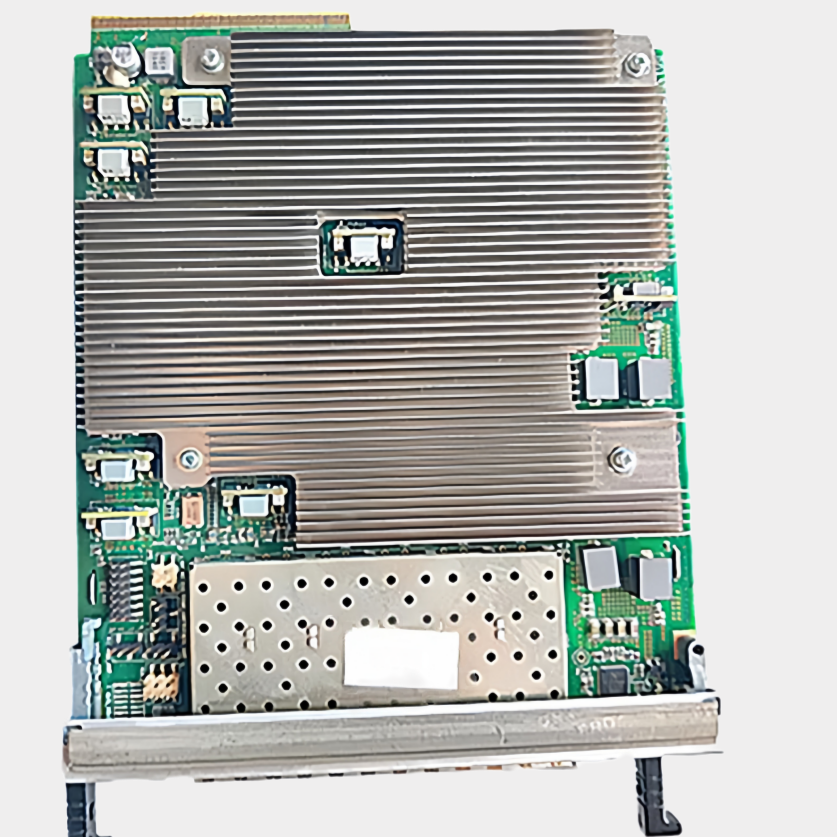
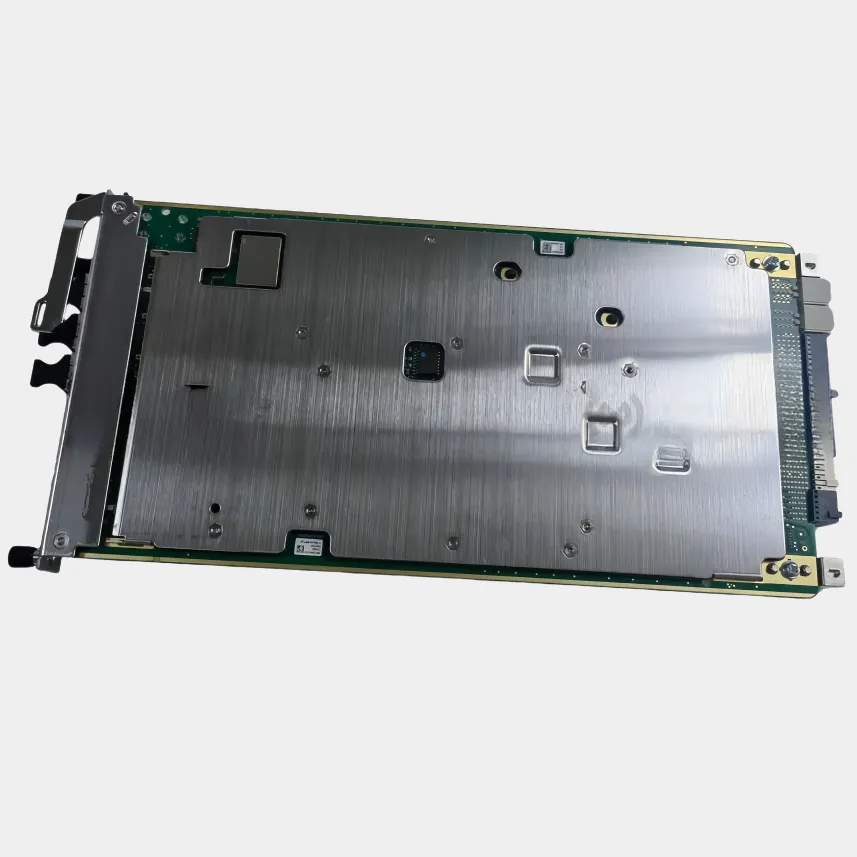
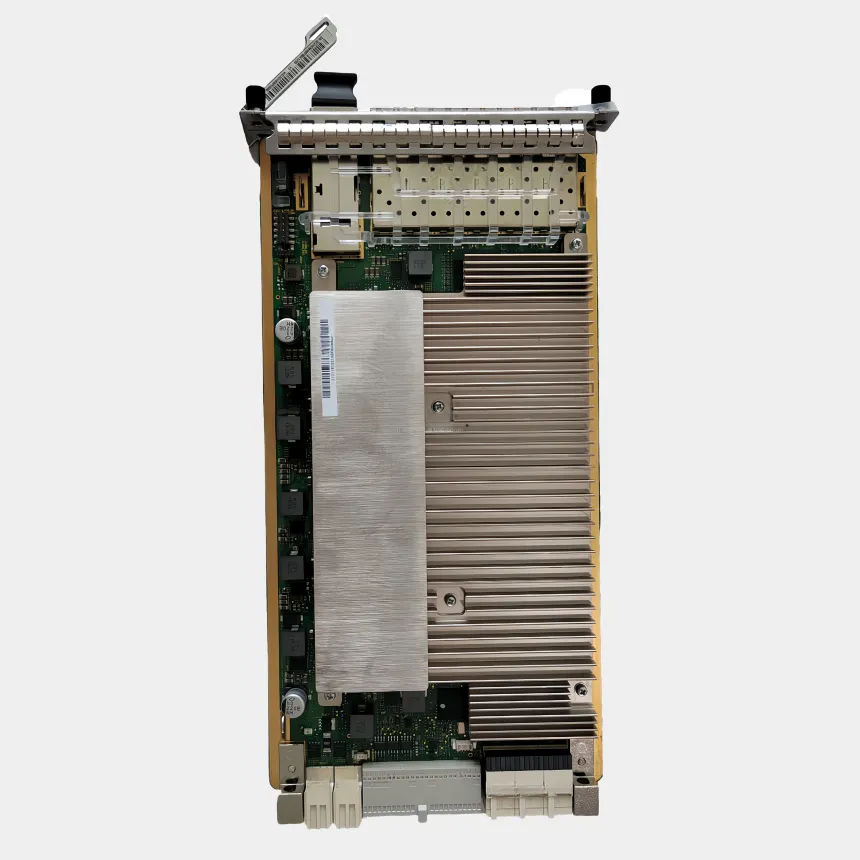
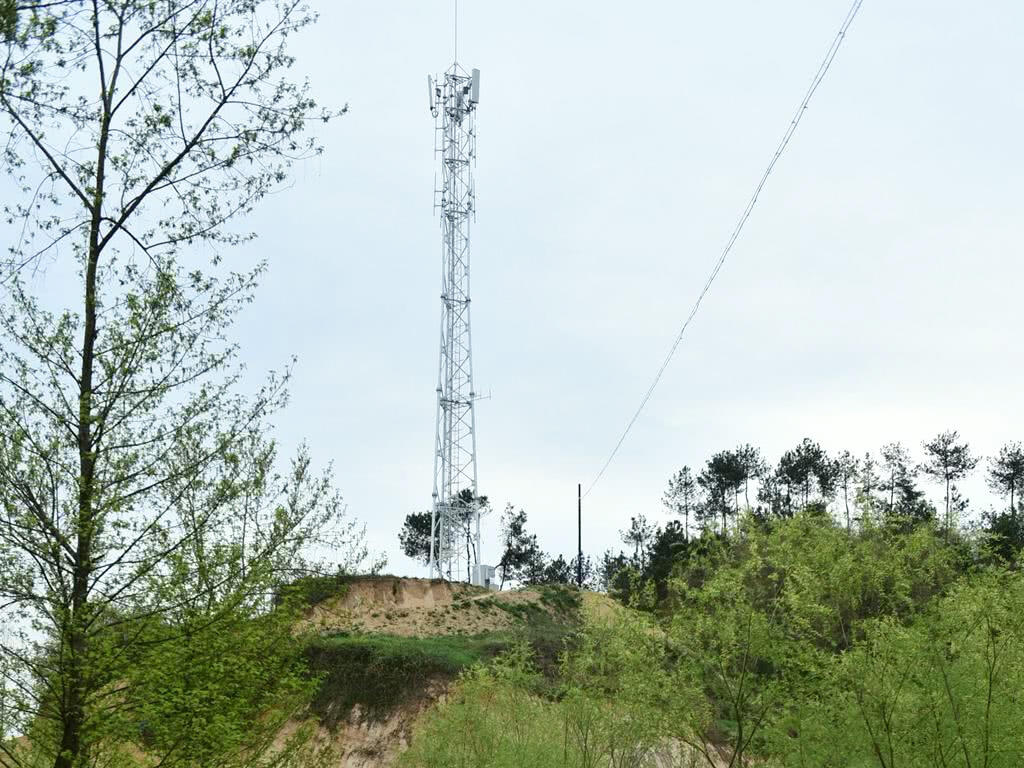
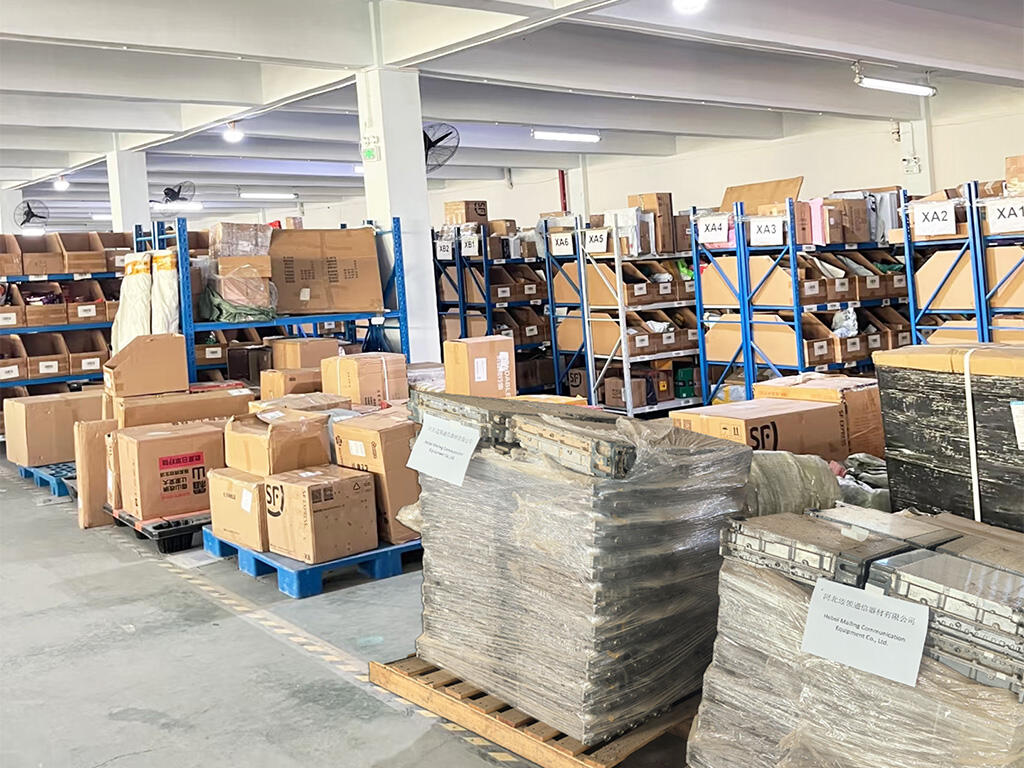
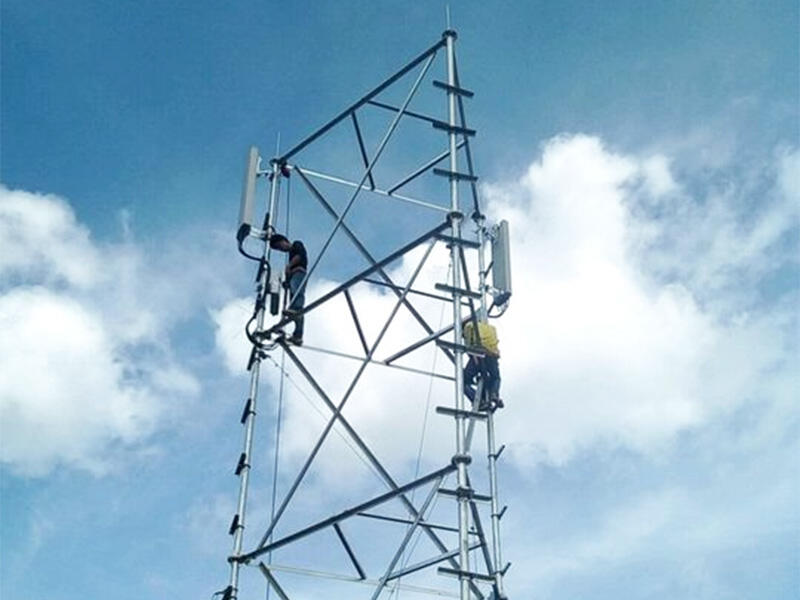
Hebei Mailing Communication Equipment Co., Ltd. offers high-quality RRU, BBU, and communication infrastructure solutions. Specializing in stable, high-strength equipment for global telecom, military, aerospace & industrial sectors. Trusted delivery worldwide.


 EN
EN