 ×
×
Bandwidth in Cat cables refers to the range of frequencies they can transmit without significant signal degradation, measured in megahertz (MHz), and directly influences data transfer rates. Cat5e, the baseline for modern networks, offers 100 MHz bandwidth, supporting 1 Gbps Ethernet—adequate for most home and small business applications where streaming, file sharing, and web browsing are primary uses. Cat6 increases bandwidth to 250 MHz, enabling 10 Gbps speeds over distances up to 55 meters; this higher frequency range allows for more data to be transmitted simultaneously, crucial for bandwidth intensive tasks like 4K video editing or large database transfers in offices. Cat6a extends bandwidth to 500 MHz, maintaining 10 Gbps over the full 100 meter standard, making it suitable for enterprise networks where longer cable runs are common. Cat7 and Cat7a further expand to 600 MHz and 1000 MHz respectively, supporting 10 Gbps over 100 meters and 40 Gbps over shorter distances (up to 50 meters for Cat7a), ideal for high density data centers. Cat8, the highest current standard, boasts 2000 MHz bandwidth, enabling 40 Gbps up to 30 meters and 25 Gbps up to 100 meters, designed for ultra fast server to switch connections. Bandwidth is constrained by factors like cable length—signal attenuation increases with distance, reducing effective bandwidth—and interference; unshielded Cat cables (UTP) are more susceptible to EMI at higher frequencies than shielded (STP/FTP) variants. For users, matching bandwidth to needs is key: over provisioning (e.g., Cat8 for home use) adds cost without benefit, while under provisioning (e.g., Cat5e for a 10 Gbps network) creates bottlenecks.
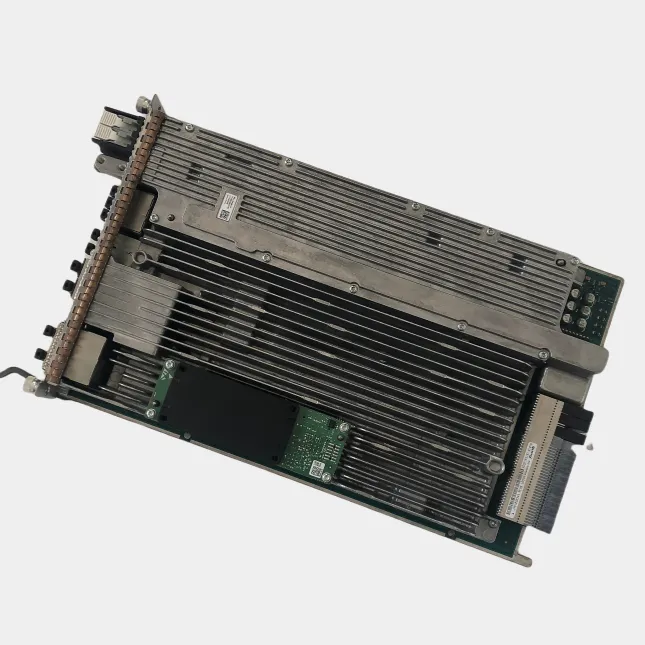
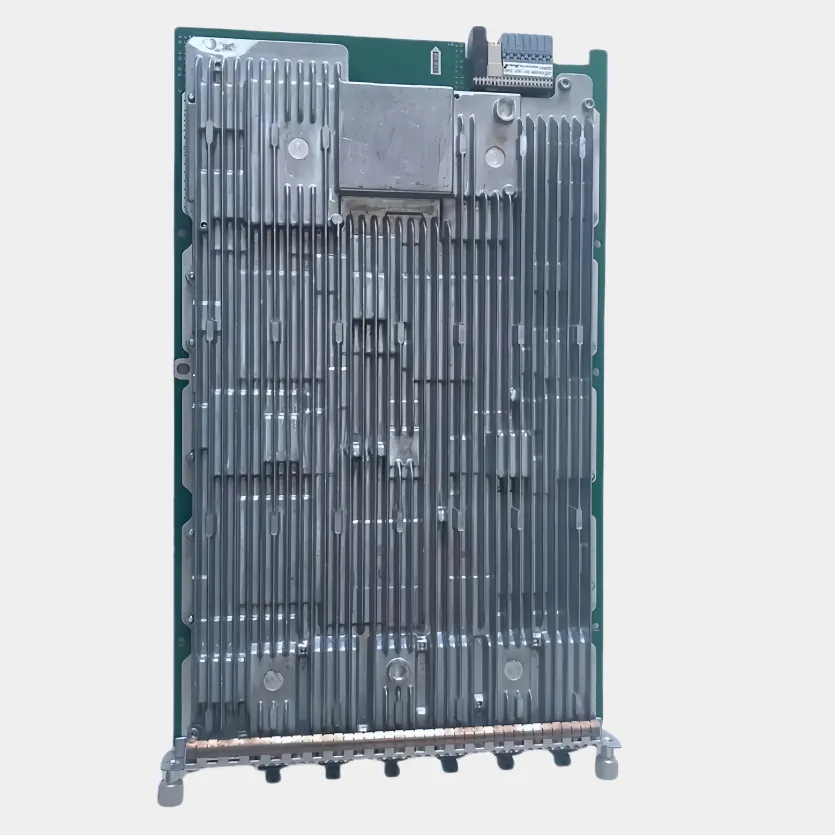
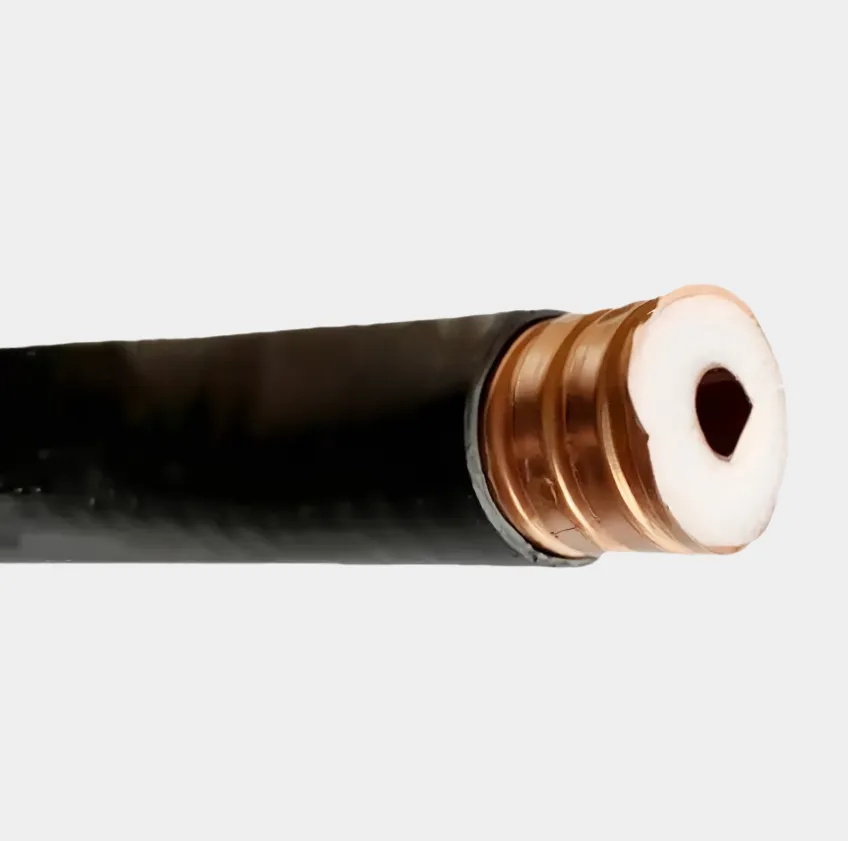
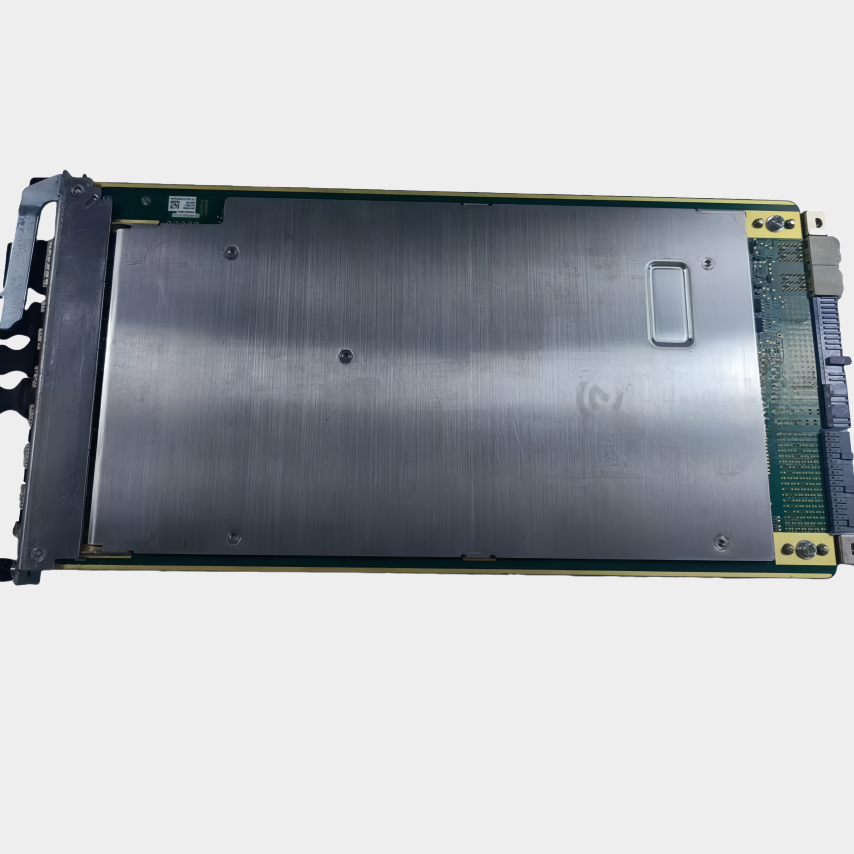
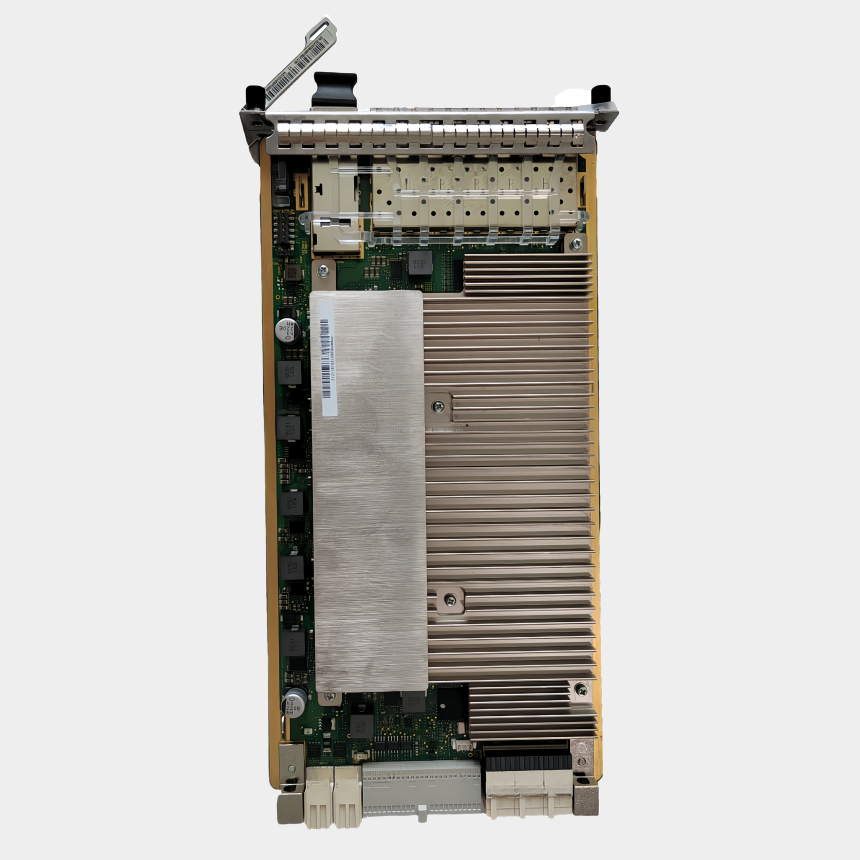
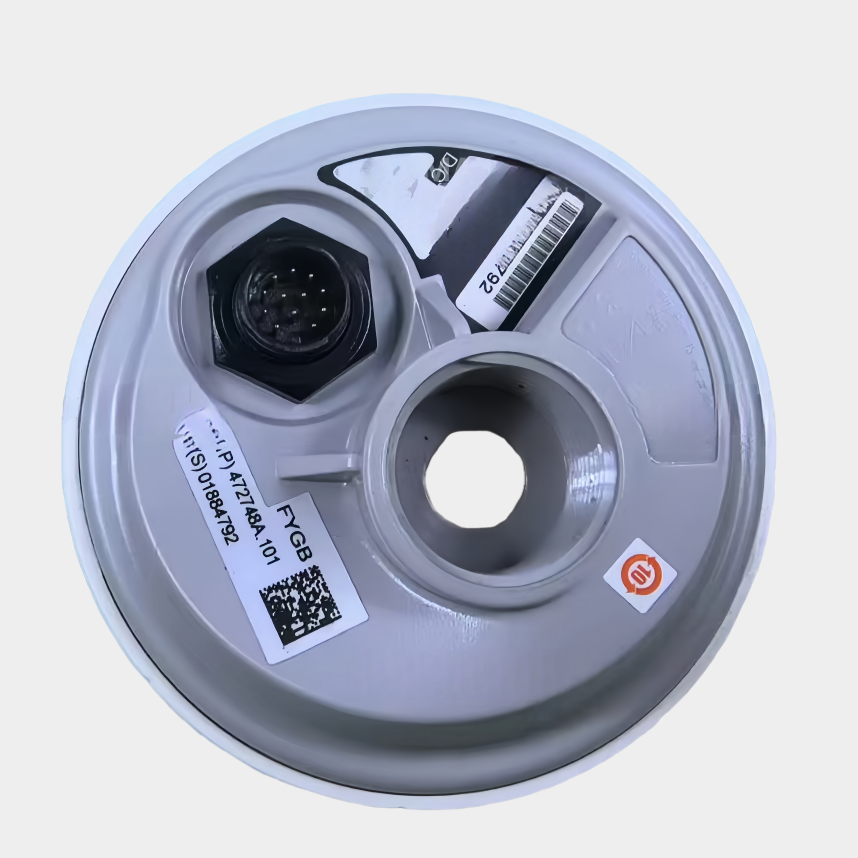
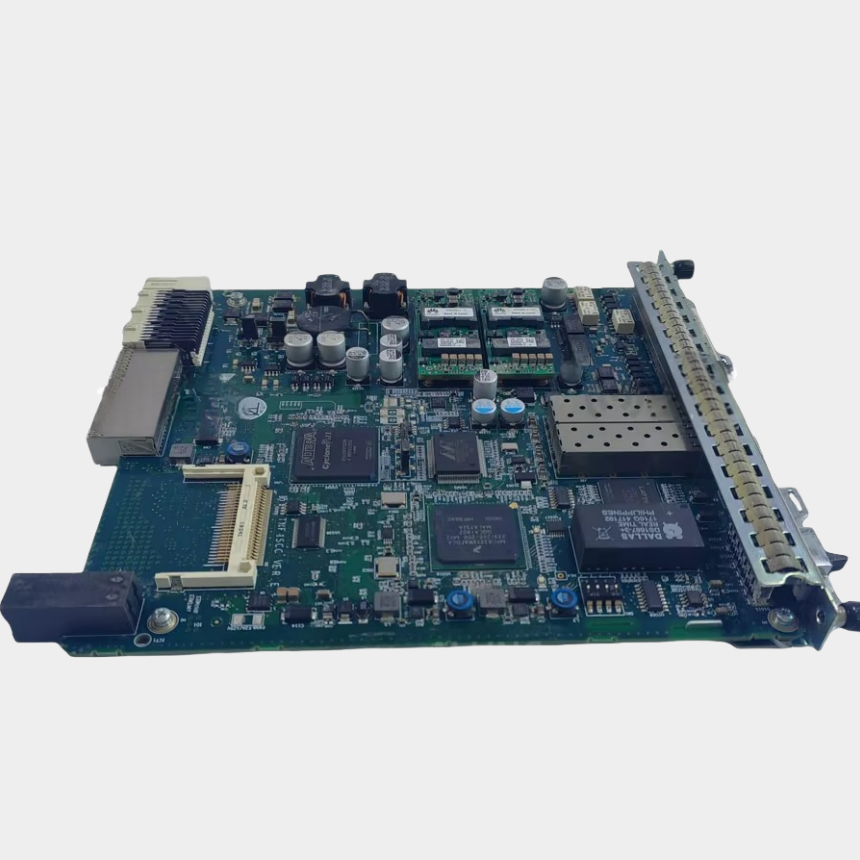
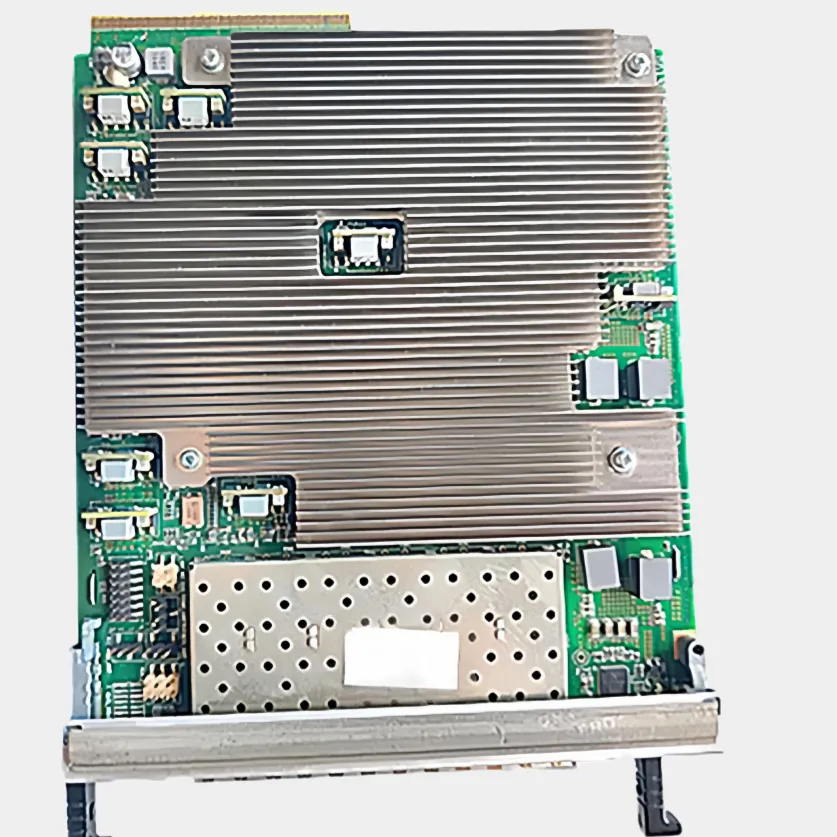
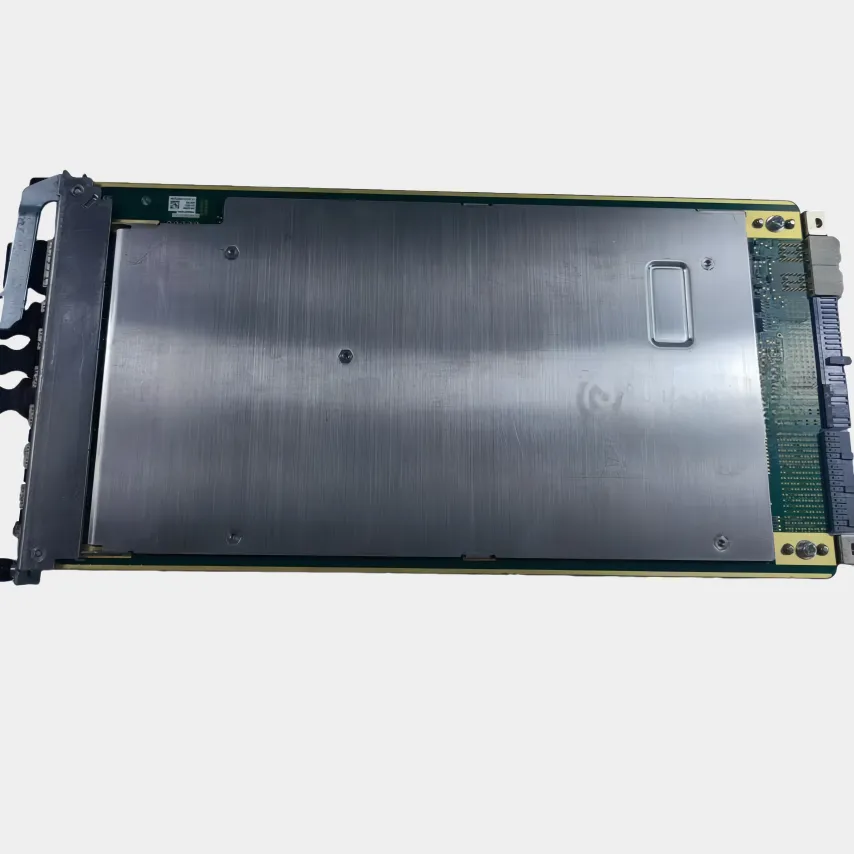
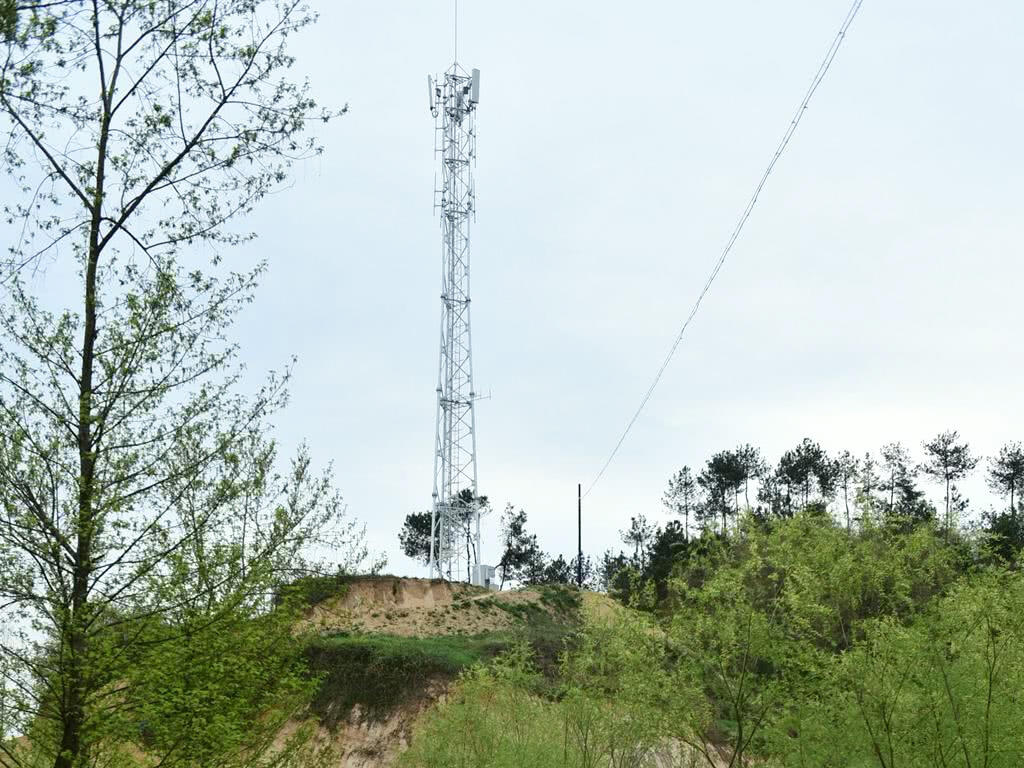
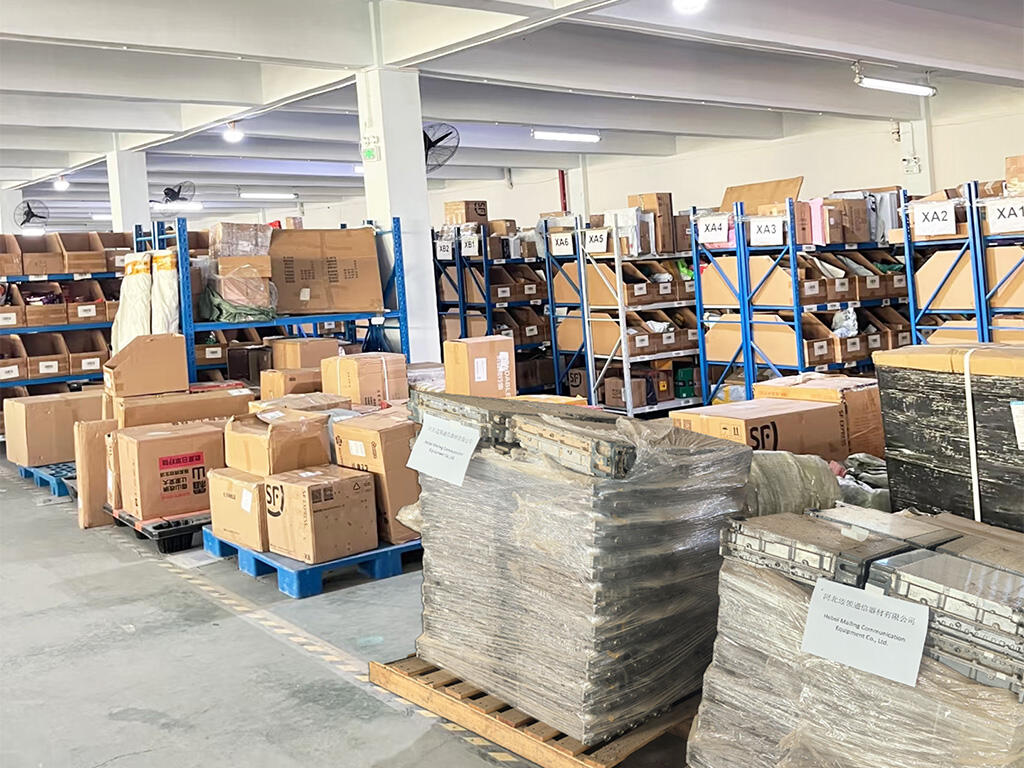
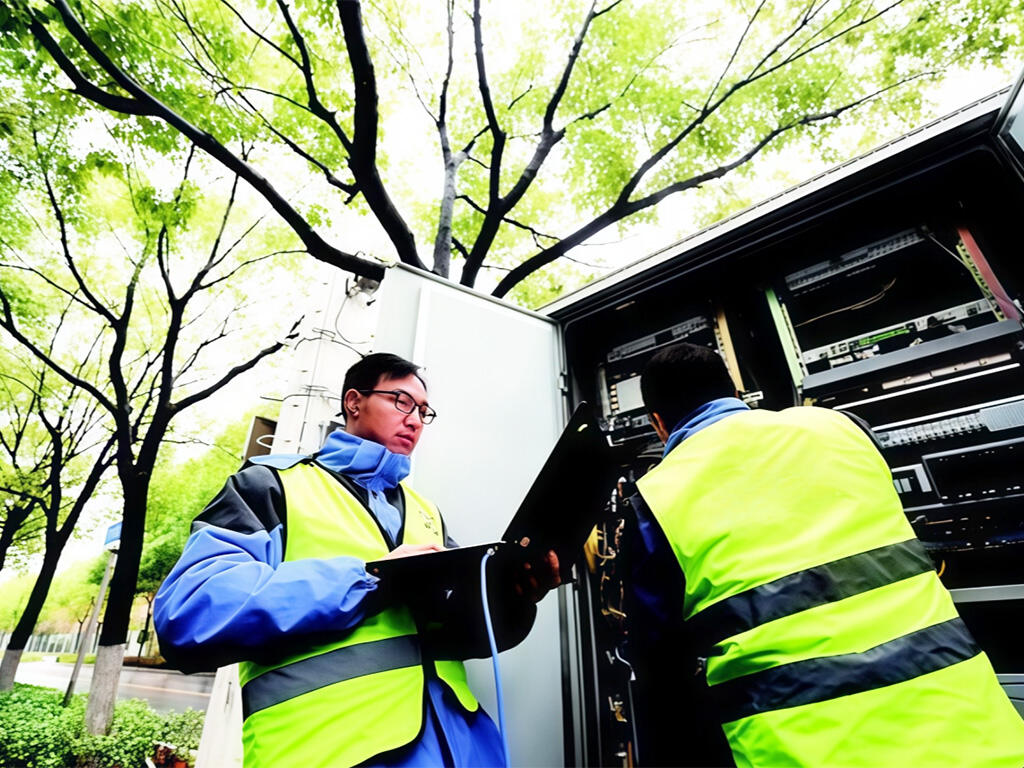
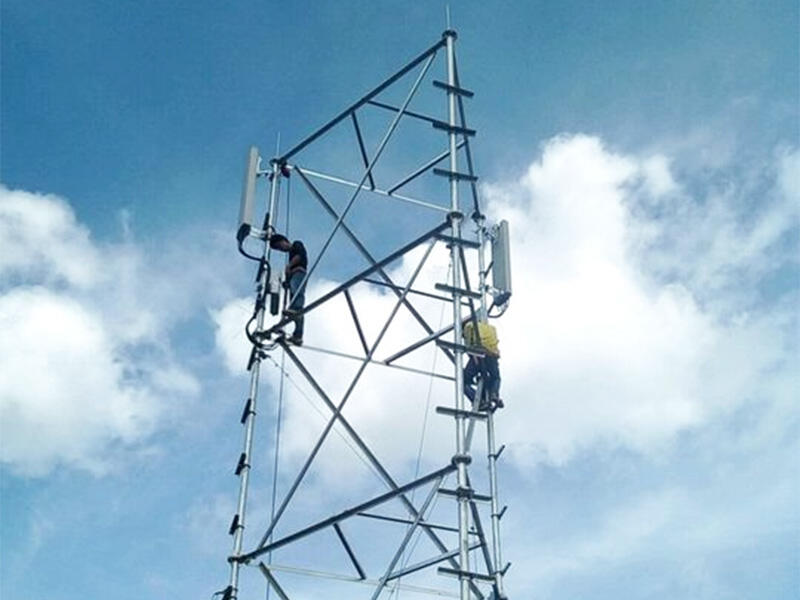
Hebei Mailing Communication Equipment Co., Ltd. offers high-quality RRU, BBU, and communication infrastructure solutions. Specializing in stable, high-strength equipment for global telecom, military, aerospace & industrial sectors. Trusted delivery worldwide.
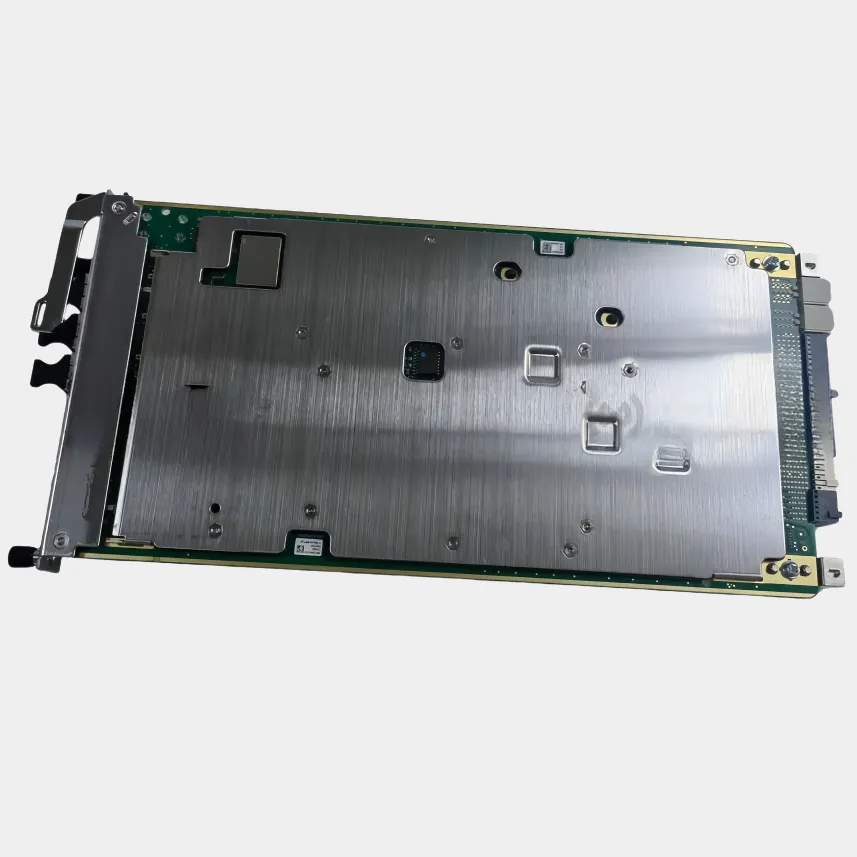
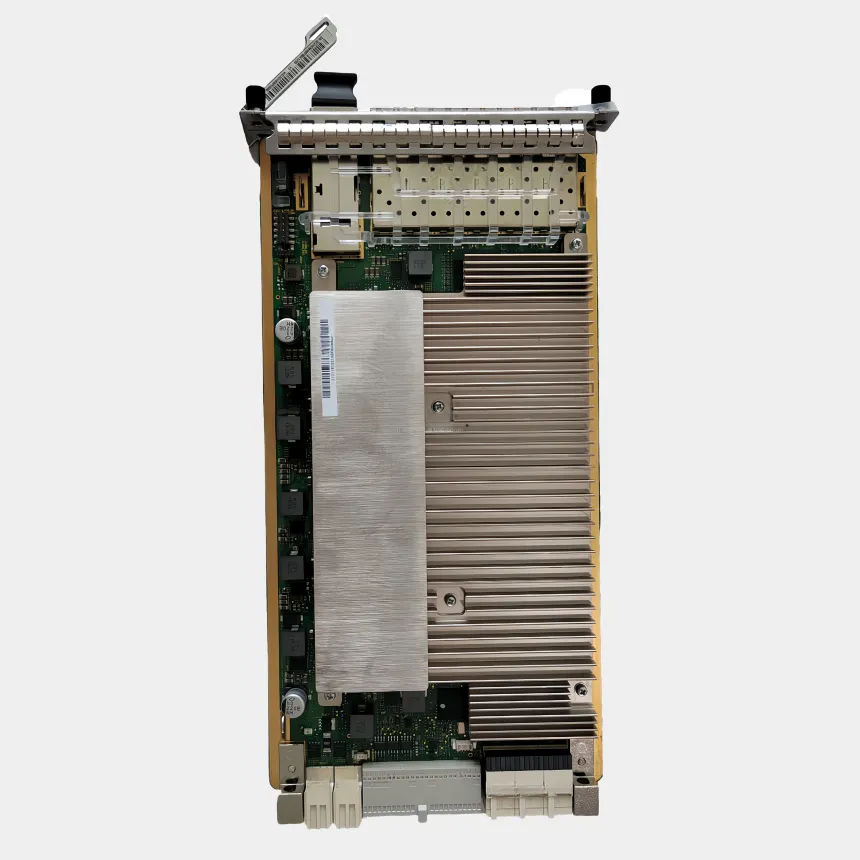

 EN
EN