 ×
×
Cat 6 Ethernet cable is a high performance twisted pair cable designed to support 10 Gigabit Ethernet (10 Gbps) over distances up to 55 meters, with a bandwidth of 250 MHz, making it a popular choice for modern networks requiring reliable high speed connectivity. Its construction features four twisted pairs of 23 AWG copper conductors, with each pair twisted at a tighter rate than Cat5e to minimize crosstalk (signal interference between pairs), a critical factor in maintaining signal integrity at higher frequencies. Cat6 cables often include a longitudinal separator (a plastic spine) that keeps the pairs isolated, further reducing alien crosstalk (interference from adjacent cables) in dense installations like server rooms. While unshielded (UTP) Cat6 is common for home and office use, shielded variants (STP or FTP) add a metallic layer around the pairs or entire cable, enhancing resistance to electromagnetic interference (EMI) in industrial environments or near power lines. Installation requires adherence to strict standards: a minimum bend radius of 4 times the cable diameter (19 mm for most Cat6) and maximum pull tension of 25 lbs to avoid damaging the conductors or shielding. Cat6 is backward compatible with lower categories (Cat5e, Cat5), allowing integration into existing networks while providing a path to 10 Gbps upgrades. Its performance edge over Cat5e (which maxes at 1 Gbps) makes it ideal for applications like 4K/8K video streaming, large file transfers, and home labs, where bandwidth demands exceed basic internet needs. When properly terminated with high quality RJ45 connectors (preferably shielded for STP cables), Cat6 ensures stable connectivity with low latency, making it a cost effective solution for future proofing networks against evolving speed requirements.
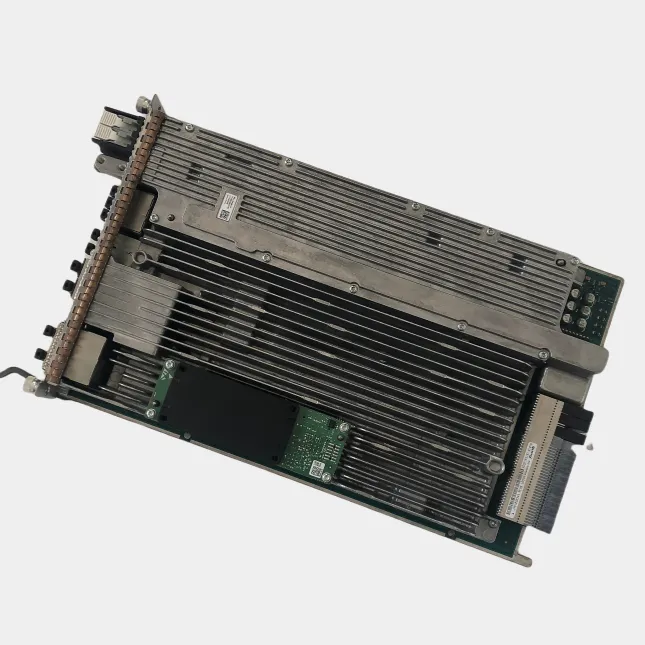
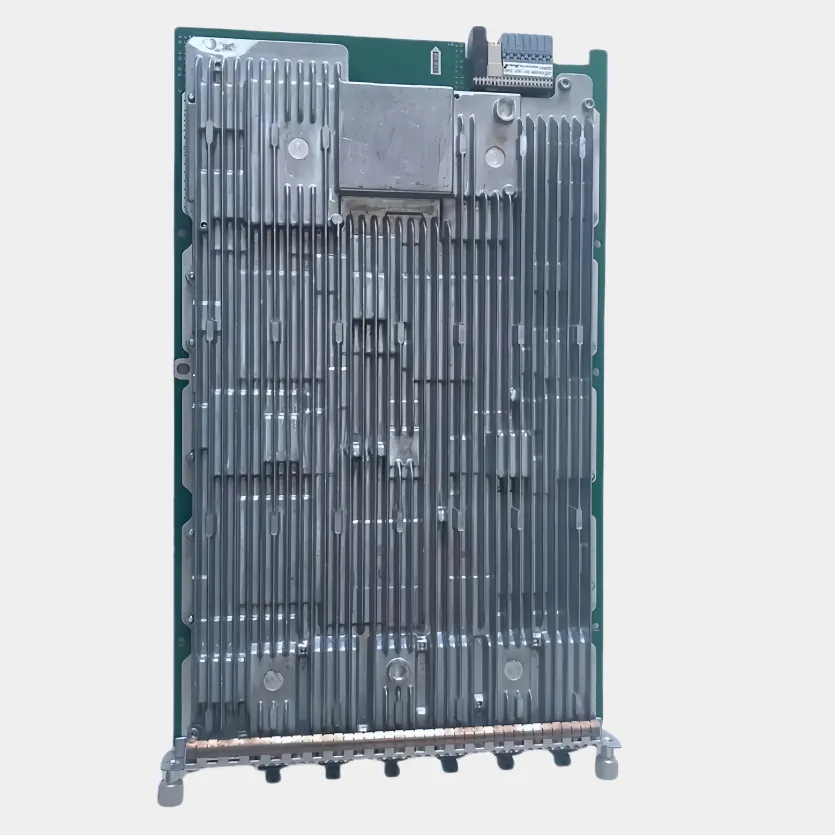
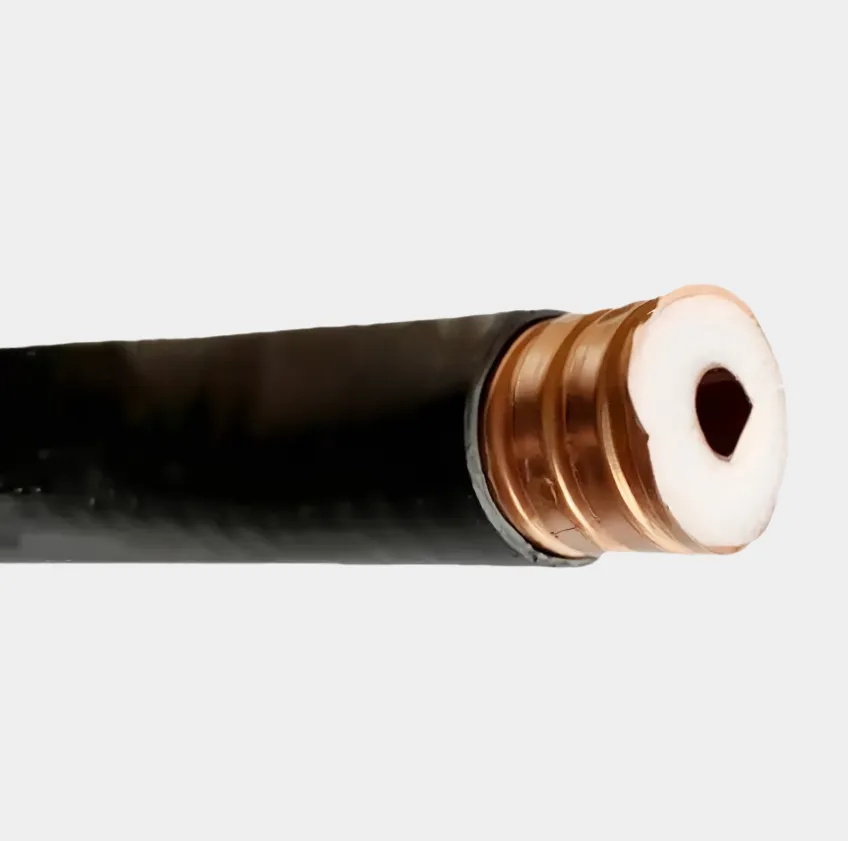
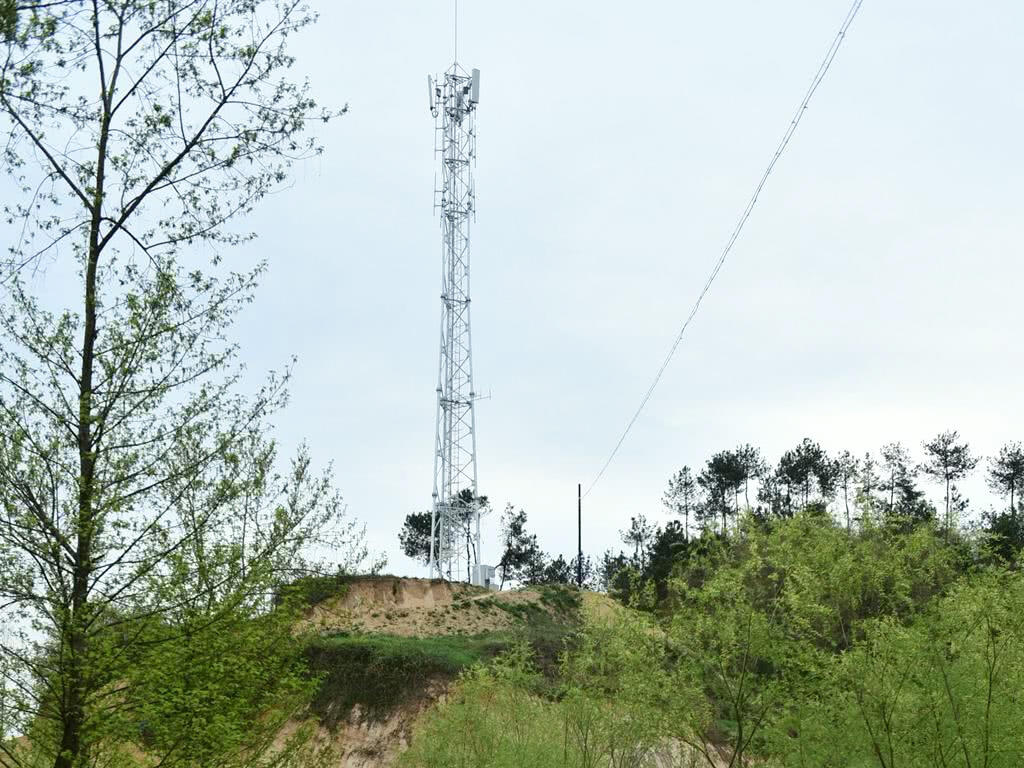
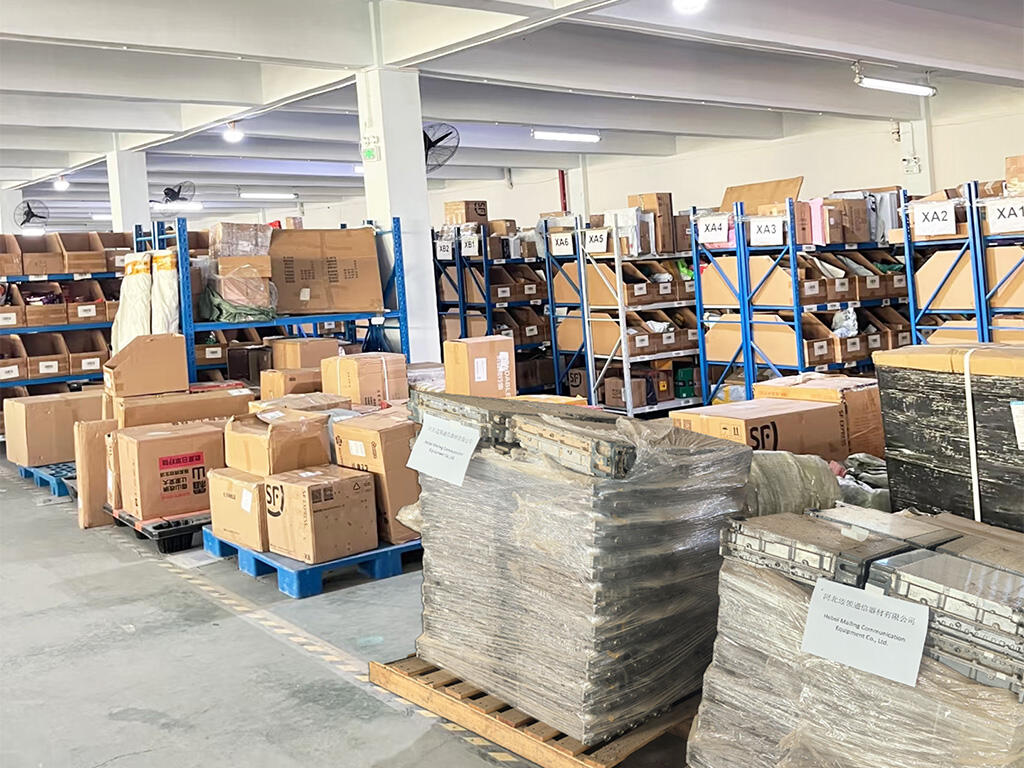
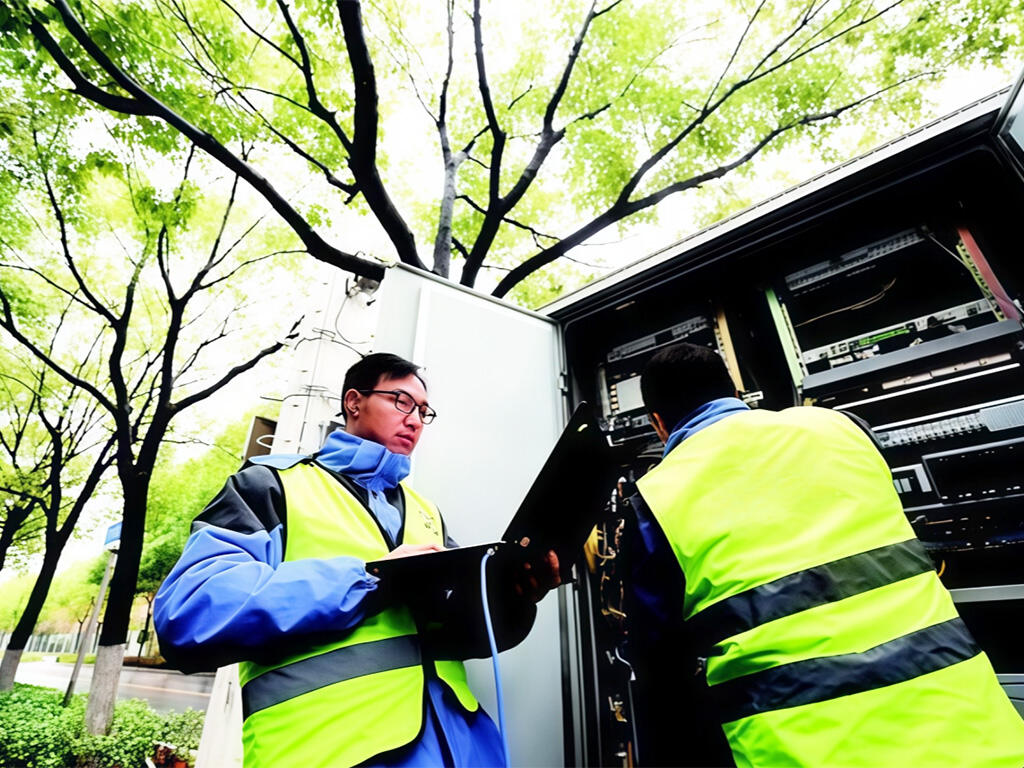
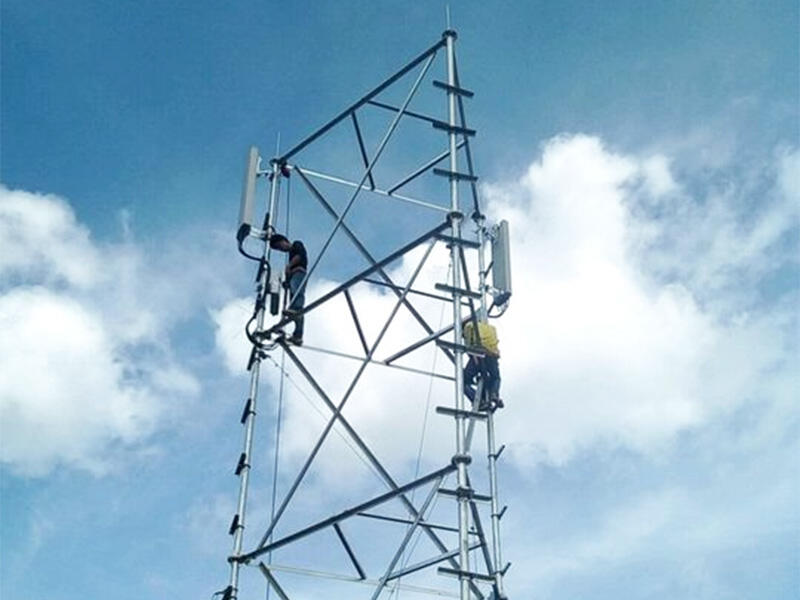
Hebei Mailing Communication Equipment Co., Ltd. offers high-quality RRU, BBU, and communication infrastructure solutions. Specializing in stable, high-strength equipment for global telecom, military, aerospace & industrial sectors. Trusted delivery worldwide.
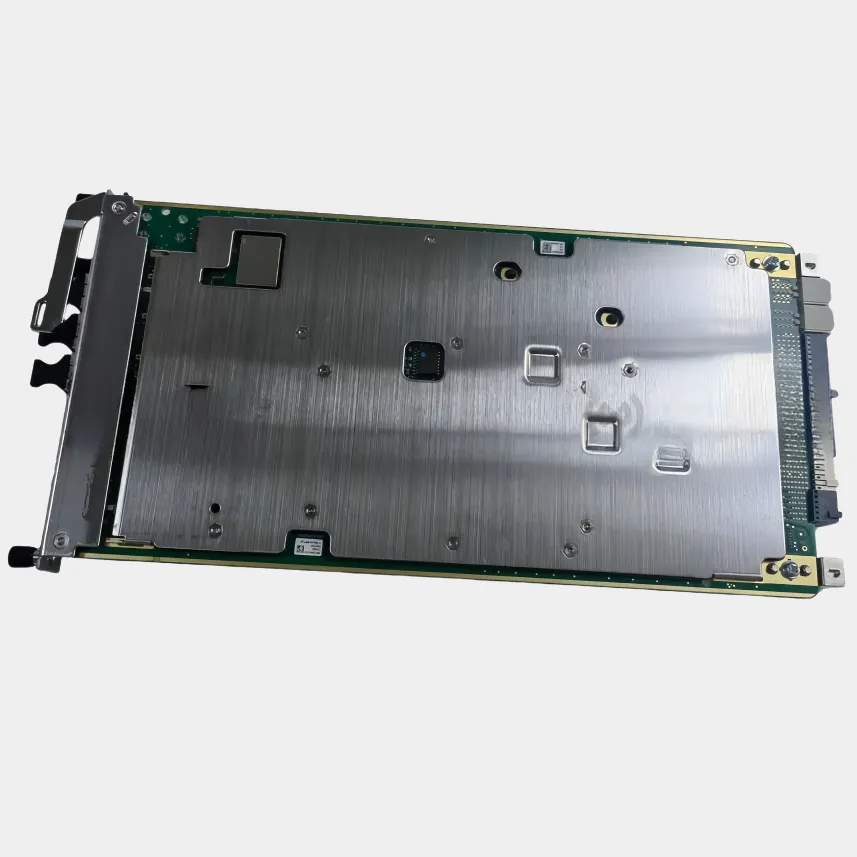
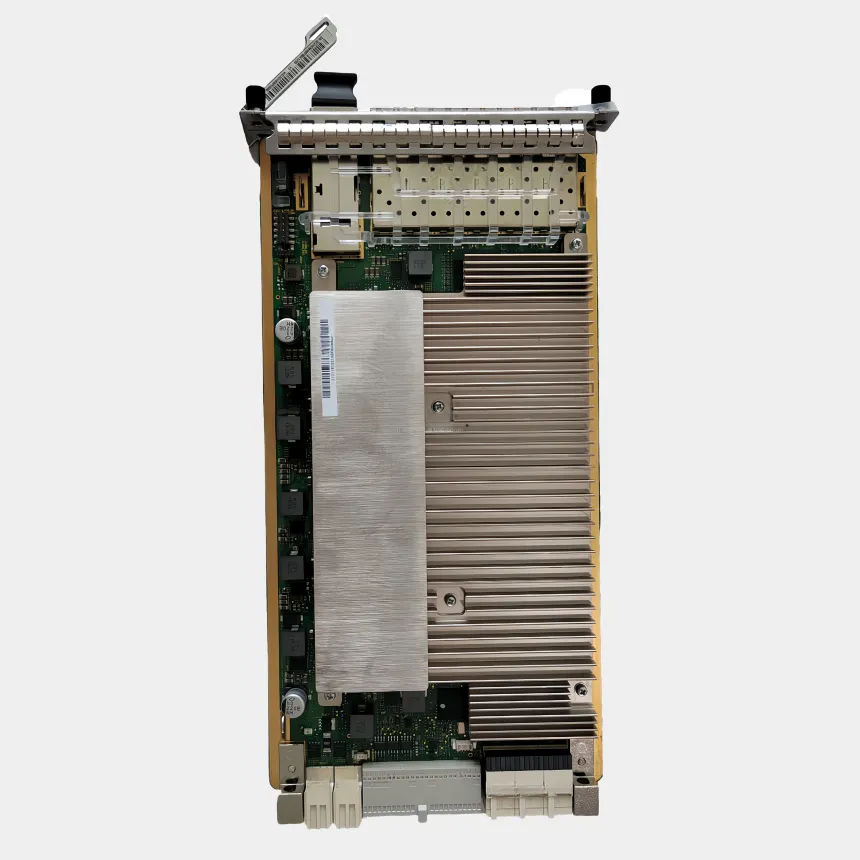

 EN
EN