 ×
×
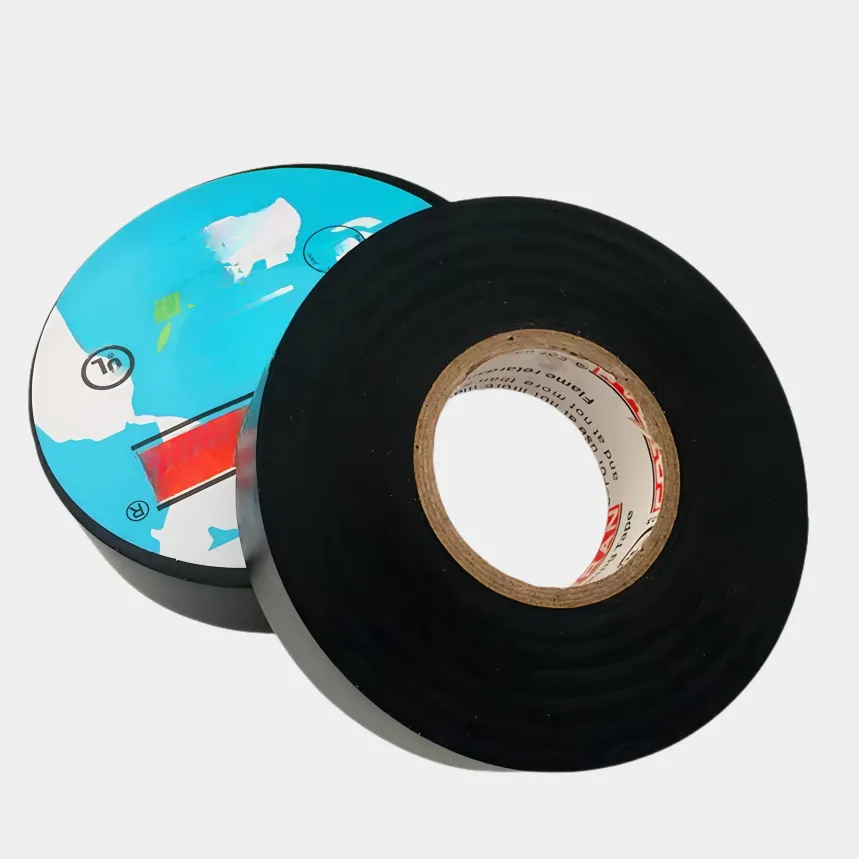
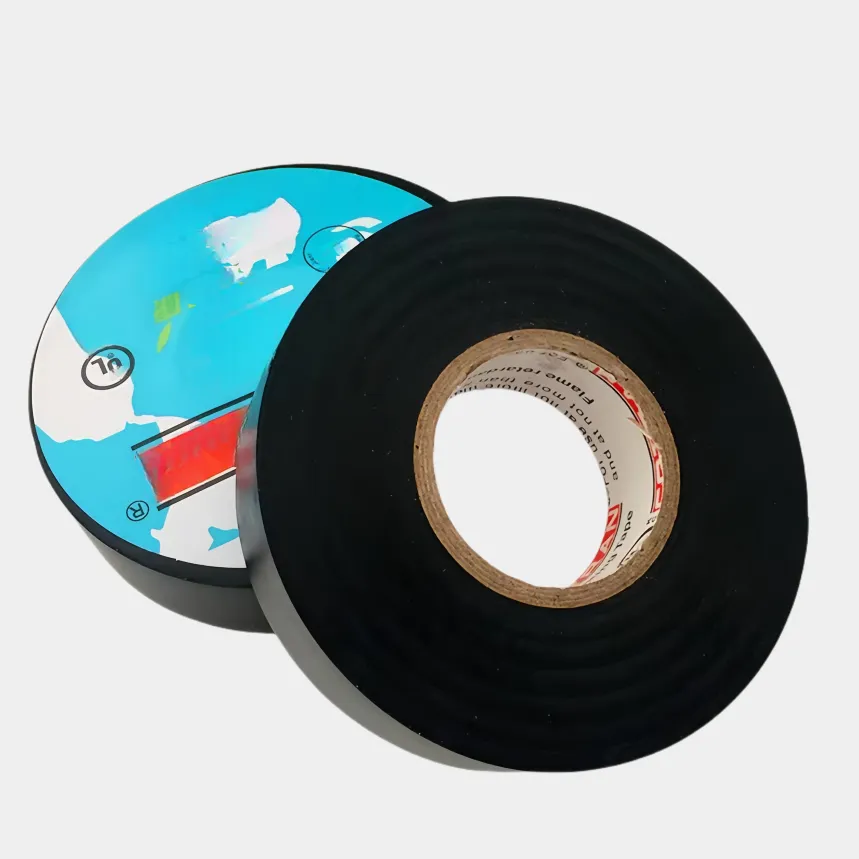
Electrical tape color options serve both functional and safety purposes in electrical installations, enabling quick identification of wire phases, voltage levels, and specific applications, while adhering to industry standards and codes. The color coding system varies by region but generally follows guidelines set by organizations like the NEC (National Electrical Code) in the US, IEC (International Electrotechnical Commission) globally, and BS (British Standards) in the UK, ensuring consistency and reducing the risk of errors during installation, maintenance, and repairs. Black is the most common color, used for general insulation in low voltage applications (up to 600V), including wrapping splices, bundling wires, or insulating non phase conductors. It is non specific in terms of phase, making it versatile for general use where color coding is not critical. White and gray tapes are often designated for neutral conductors, following NEC requirements that neutral wires be identified with white, gray, or three continuous white stripes, helping electricians distinguish neutral from hot conductors to prevent short circuits. Red and orange tapes are typically used for high voltage systems (above 600V) or to indicate phase conductors in three phase systems. In many regions, red denotes the A phase, while orange may mark the B phase, though this can vary by country—for example, in Europe, brown, black, and gray are common phase colors. These bright colors draw attention to high risk conductors, enhancing safety. Green and green with yellow stripes are universally recognized as ground (earth) conductors, a critical safety color to identify bonding and grounding wires that protect against electric shock by diverting fault currents to the earth. This color code is standardized globally, reducing confusion in international installations. Blue and yellow tapes have varied uses: blue often indicates low voltage communication wires (e.g., Ethernet, telephone lines) or neutral conductors in some regions, while yellow may mark phase conductors, warning tapes for hazardous areas, or temporary connections. Specialty colors like purple are used for specific applications, such as identifying isolated ground circuits in sensitive equipment (e.g., medical devices) that require separate grounding to avoid interference. Some tapes feature color combinations or printed markings (e.g., voltage ratings) for enhanced clarity. For example, black tape with red text may indicate high voltage insulation, while striped tapes (e.g., red and white) can denote specific circuits. The choice of color also considers environmental factors: fluorescent colors (e.g., neon yellow) are used in low light areas for better visibility, while UV resistant colors prevent fading in outdoor applications. Adhering to color coding standards is mandatory in most jurisdictions, as incorrect identification can lead to electrical accidents, equipment damage, or code violations. Electricians and installers must be familiar with regional variations to ensure compliance, making electrical tape color options a fundamental aspect of safe and efficient electrical system management.
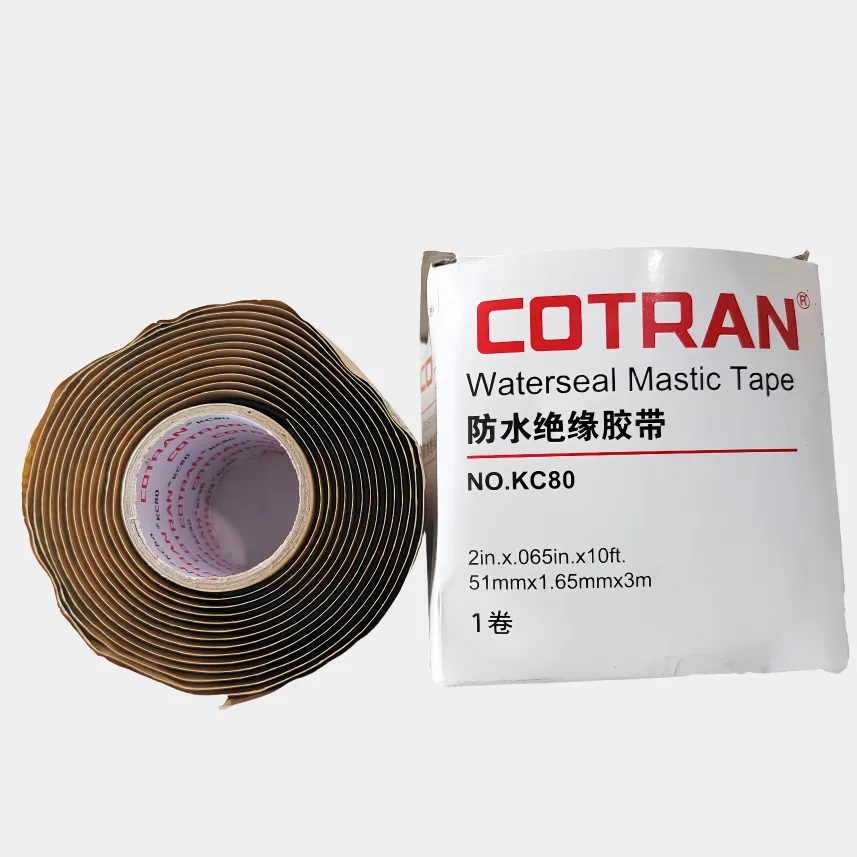
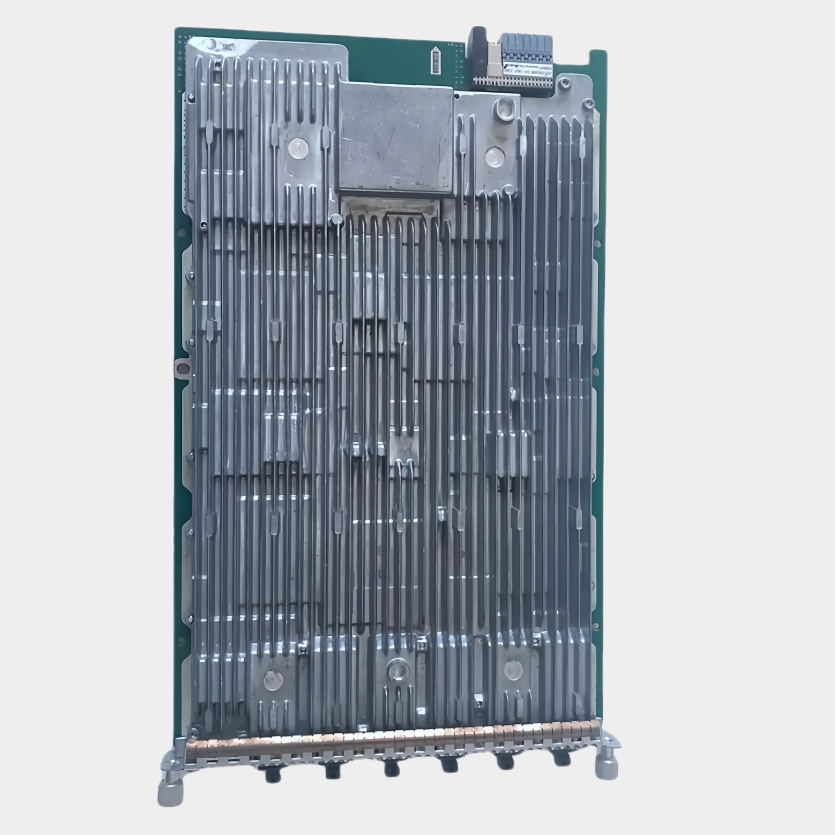
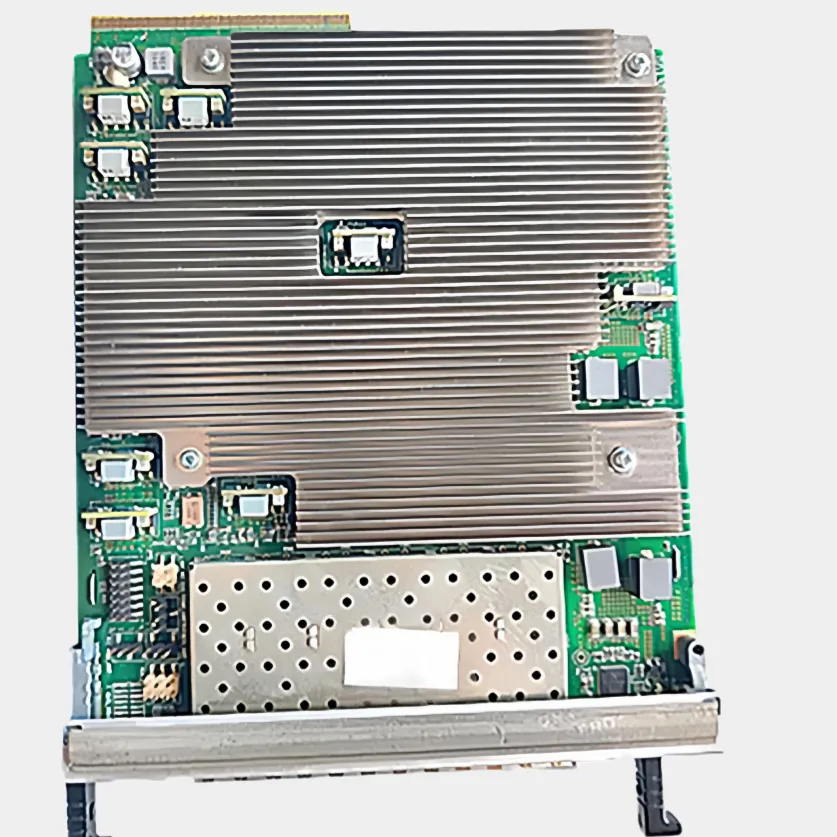
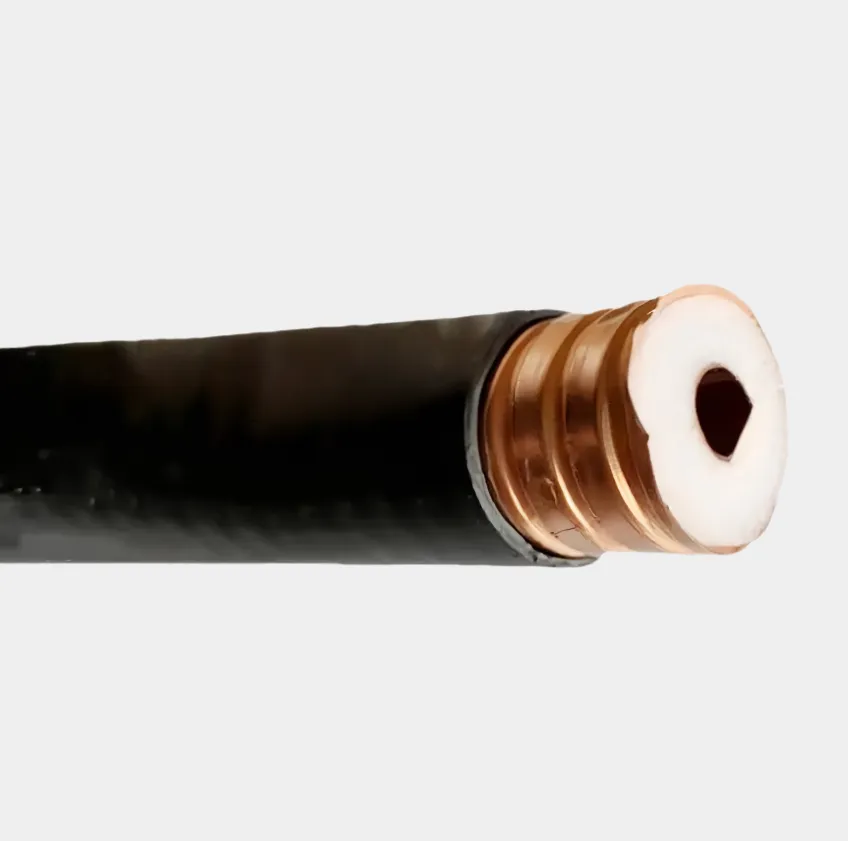
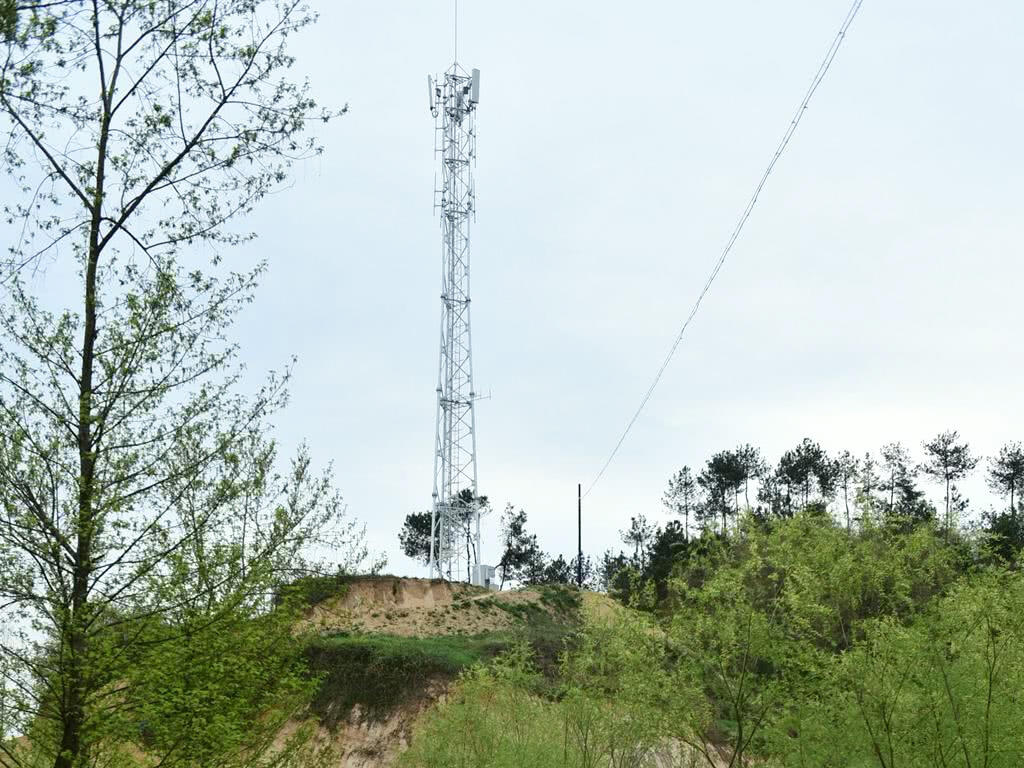
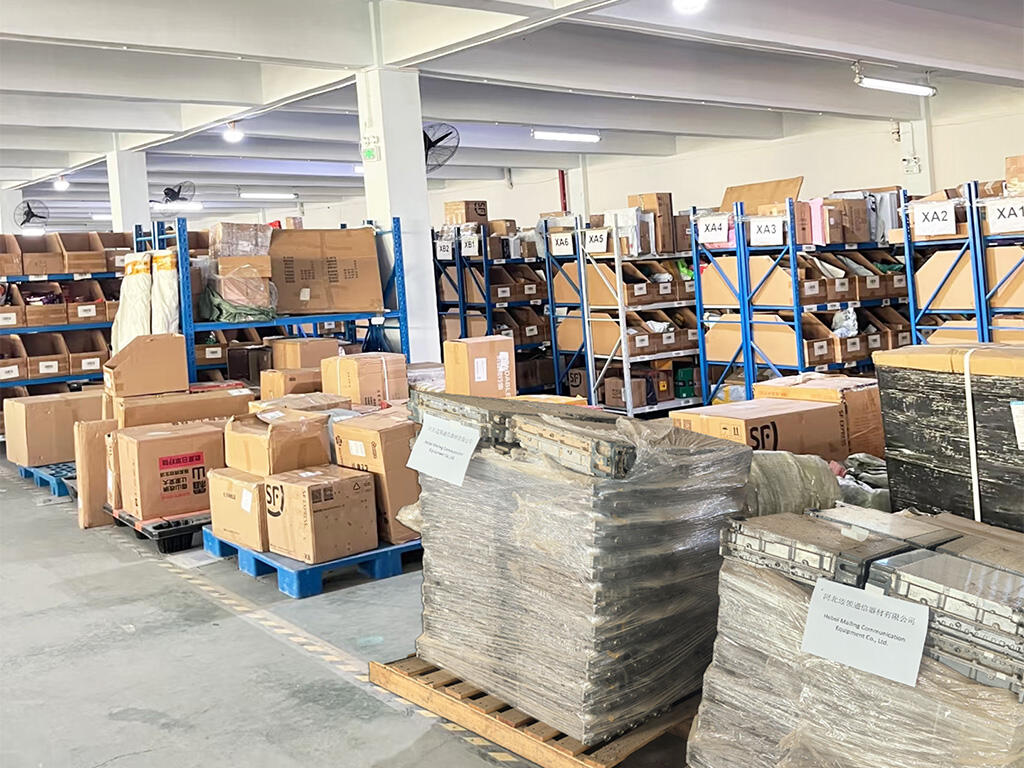
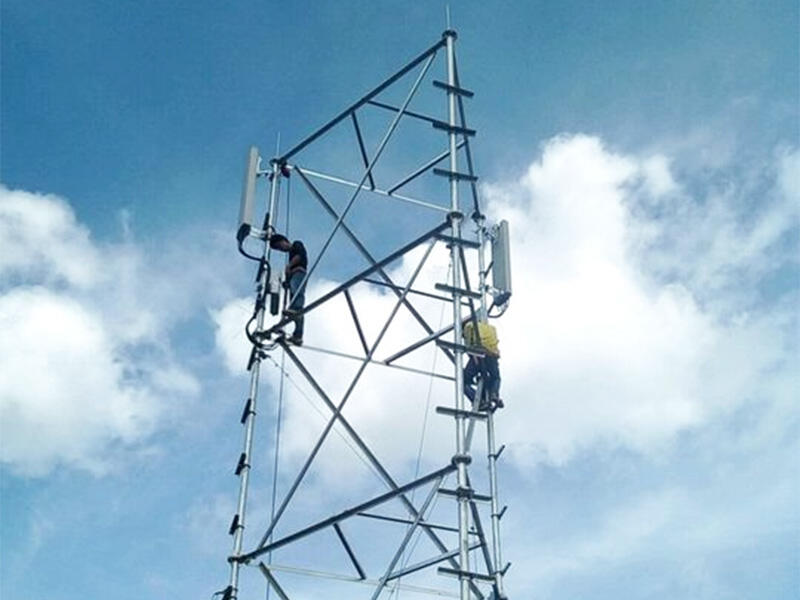
Hebei Mailing Communication Equipment Co., Ltd. offers high-quality RRU, BBU, and communication infrastructure solutions. Specializing in stable, high-strength equipment for global telecom, military, aerospace & industrial sectors. Trusted delivery worldwide.




 EN
EN