 ×
×
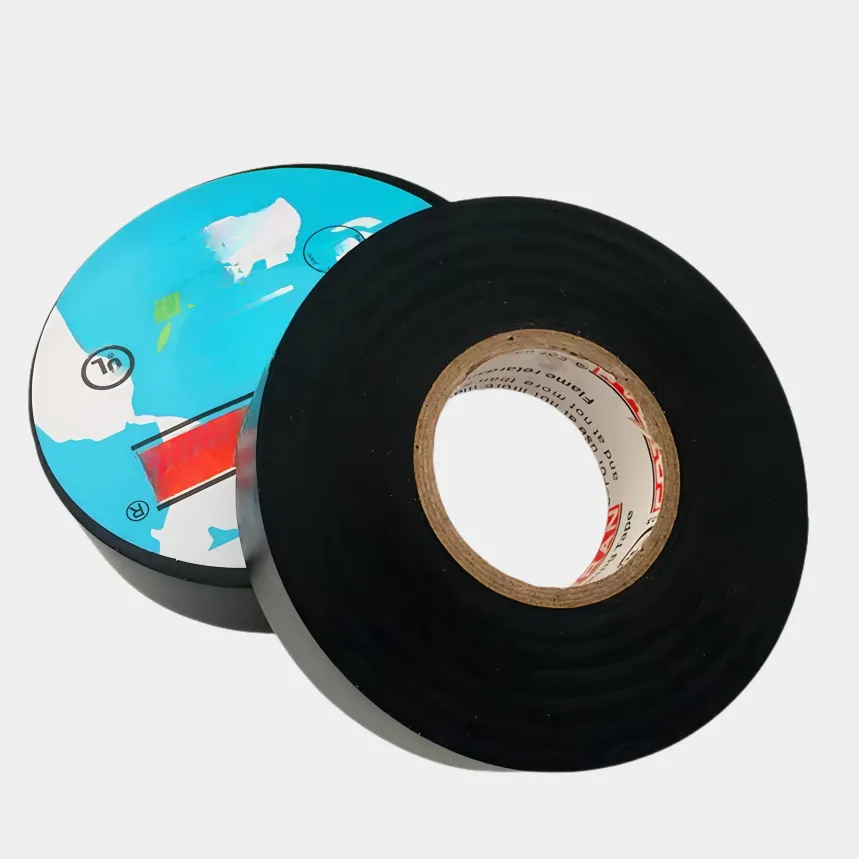
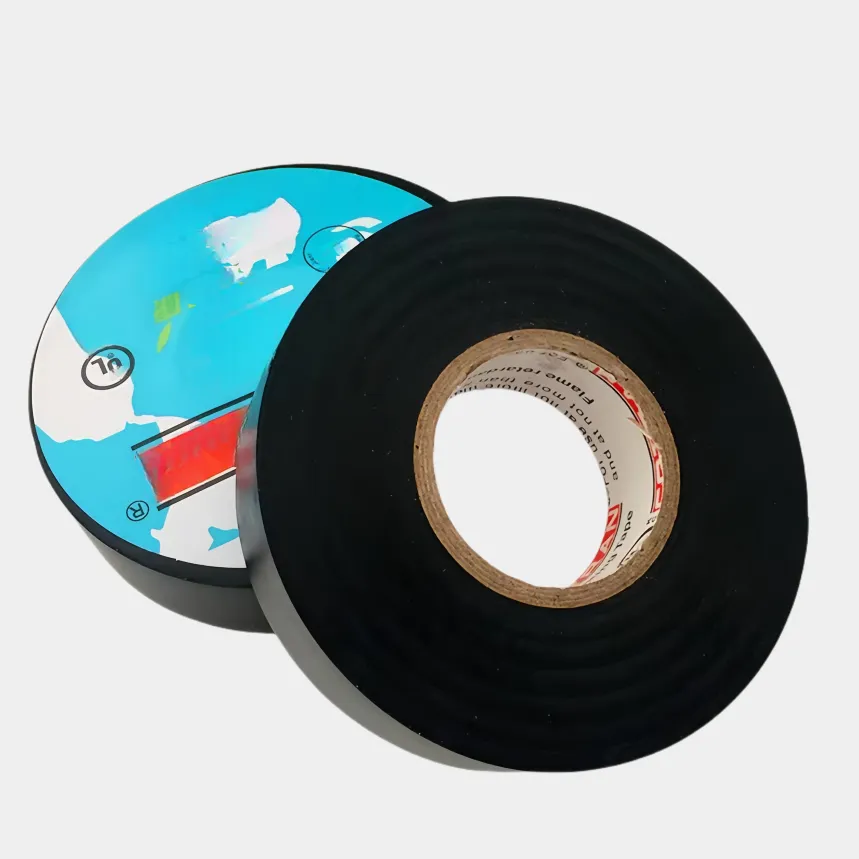
Electrical tape is a versatile insulating material designed to protect electrical conductors, prevent short circuits, and insulate wires and connections in various electrical applications. Composed of a flexible backing material coated with a pressure sensitive adhesive, it is engineered to provide electrical insulation, mechanical protection, and resistance to environmental factors like moisture, heat, and chemicals. The backing material varies by type: PVC (polyvinyl chloride) is the most common, offering good flexibility, dielectric strength, and resistance to temperatures up to 80°C, making it suitable for general purpose use. Rubber based tapes (e.g., ethylene propylene rubber) provide superior elasticity and moisture resistance, ideal for outdoor or wet environments, while silicone tapes withstand extreme temperatures ( 50°C to 200°C) and are used in high heat applications like motor windings. The adhesive layer, typically rubber based or acrylic, ensures strong adhesion to various surfaces, including metal, plastic, and rubber, forming a tight seal that prevents dust and moisture ingress. Electrical tape must meet strict safety standards, such as UL 510 for insulation and flame resistance, ensuring it does not support combustion and can withstand voltage stress without breakdown. Its dielectric strength (the maximum voltage it can insulate) is a key specification, with standard PVC tapes offering 600V per layer, suitable for low to medium voltage applications (up to 600V). For high voltage systems, specialized tapes with higher dielectric strength (e.g., 10,000V) are used. Application techniques affect performance: the tape is applied with slight tension to activate the adhesive, with overlapping layers (50% overlap) to create a continuous insulating barrier. This method is critical for sealing splices, terminating wires, or repairing damaged cable jackets. Beyond insulation, electrical tape is used for color coding (identifying phases in three phase systems), bundling wires, and marking components for maintenance. Its ease of use—tearable by hand without tools—makes it indispensable for electricians, DIY enthusiasts, and industrial workers. While primarily used in electrical systems, it also finds applications in automotive repairs, HVAC installations, and general purpose bundling, thanks to its versatility and cost effectiveness. Regular inspection of electrical tape is important, as aging (hardening, cracking) can compromise insulation, requiring replacement to maintain safety and reliability.
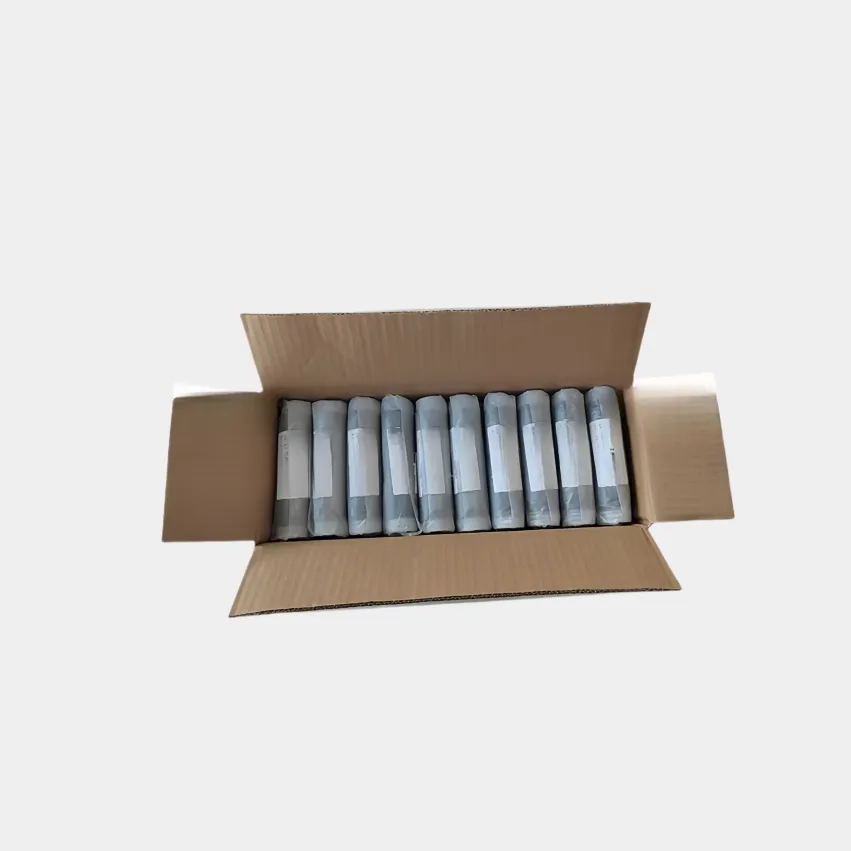
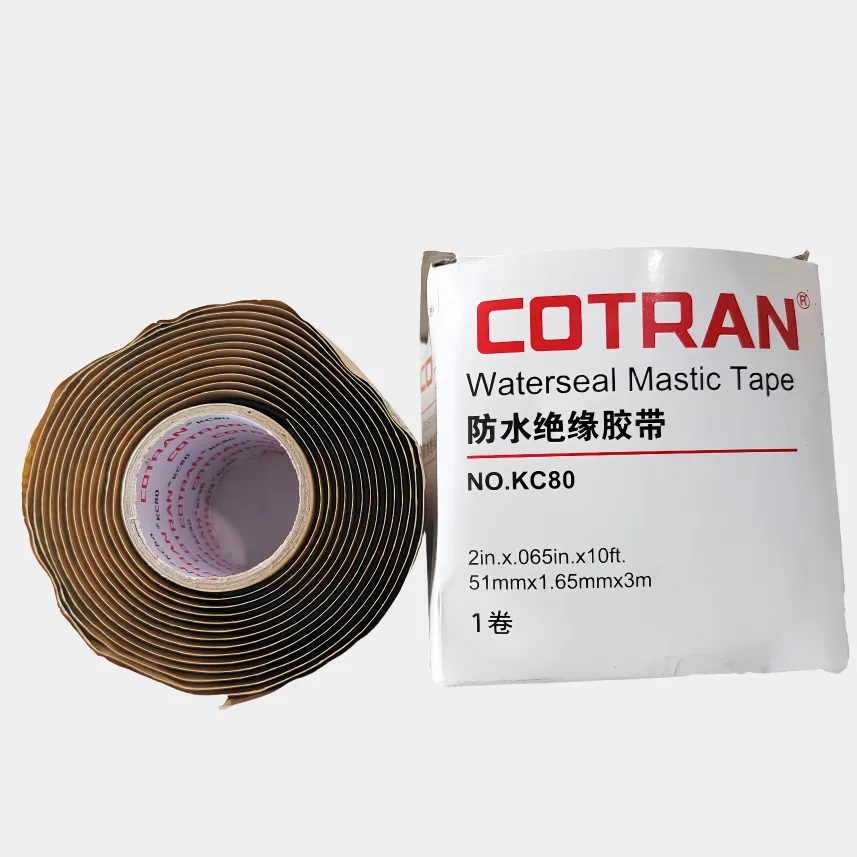
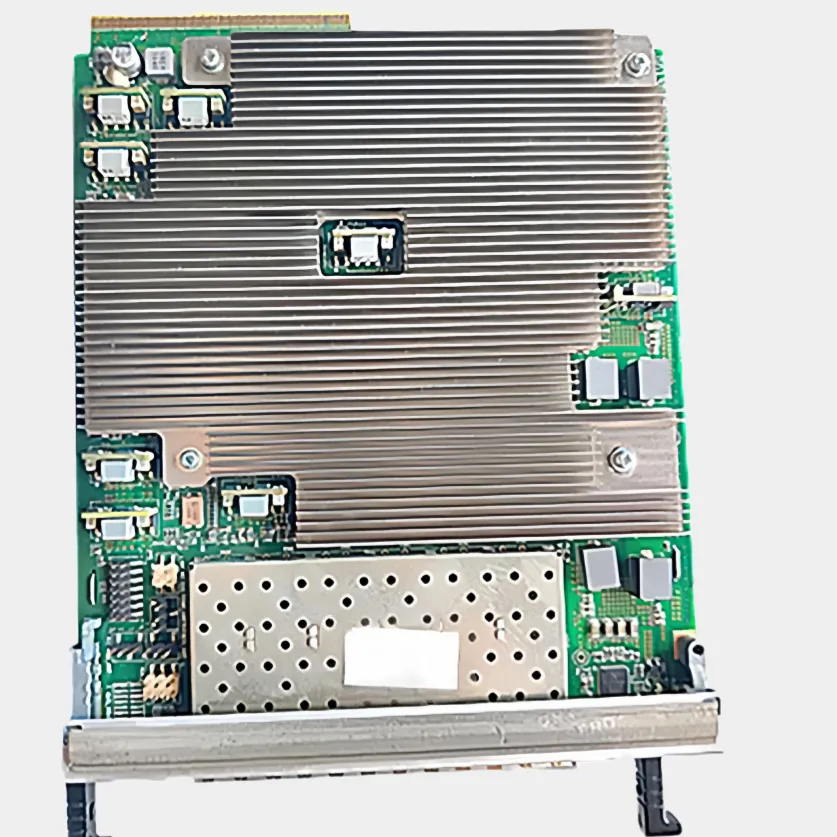
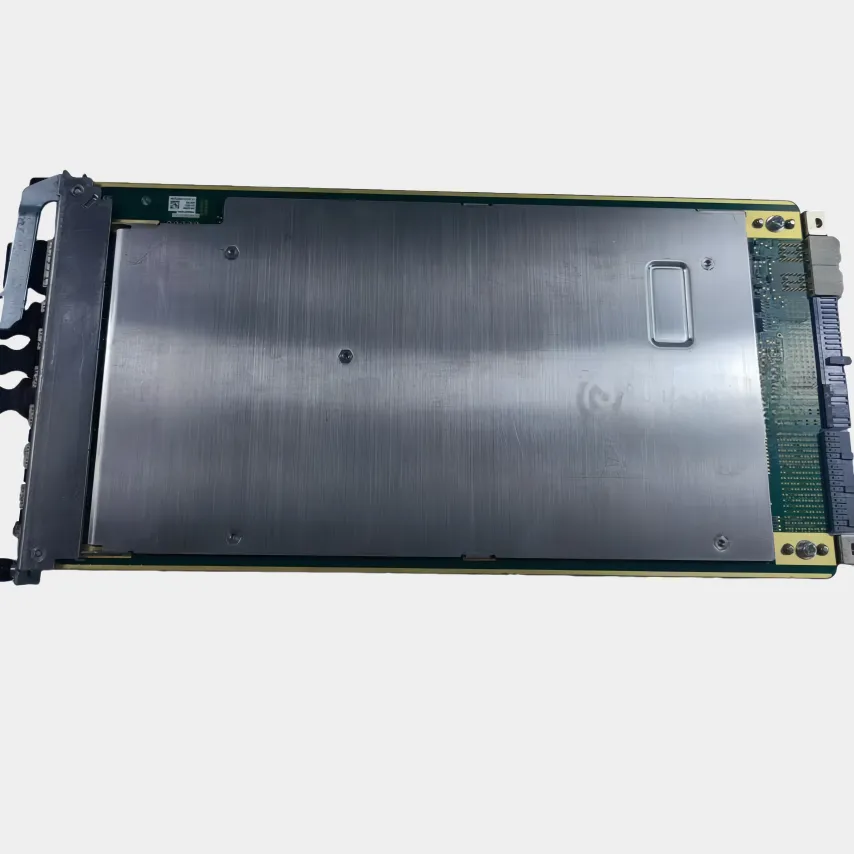
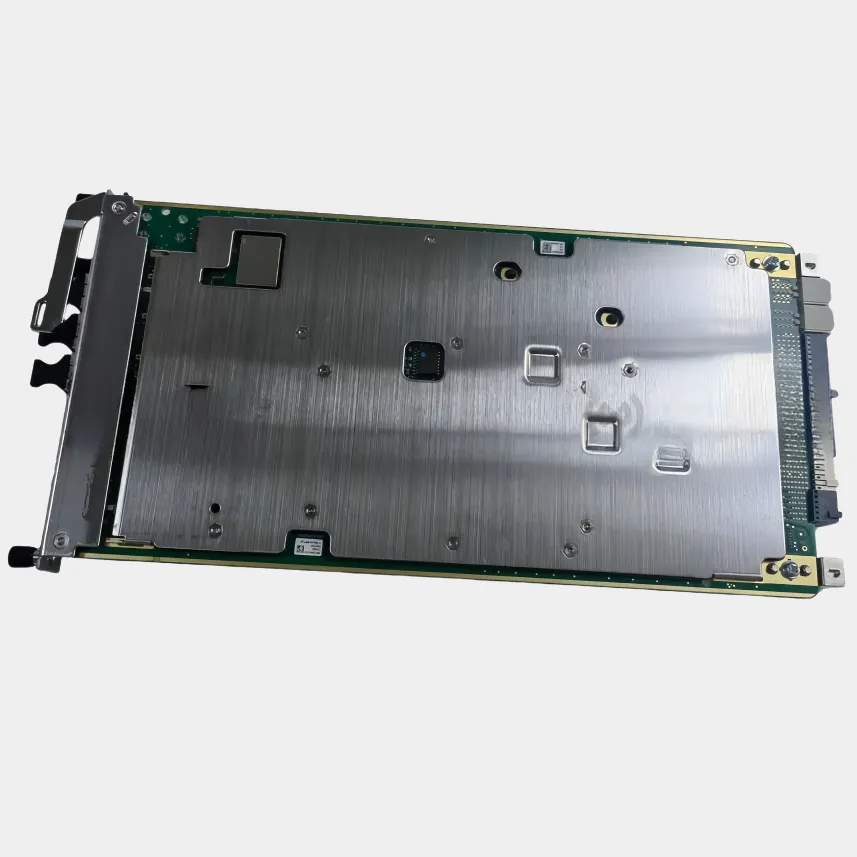
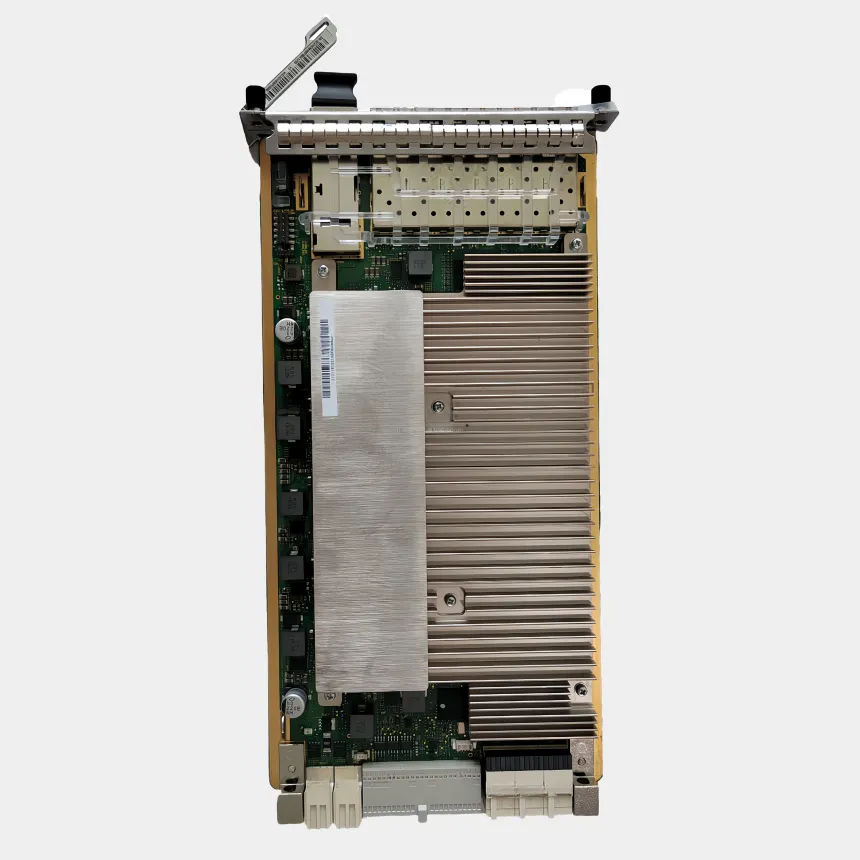
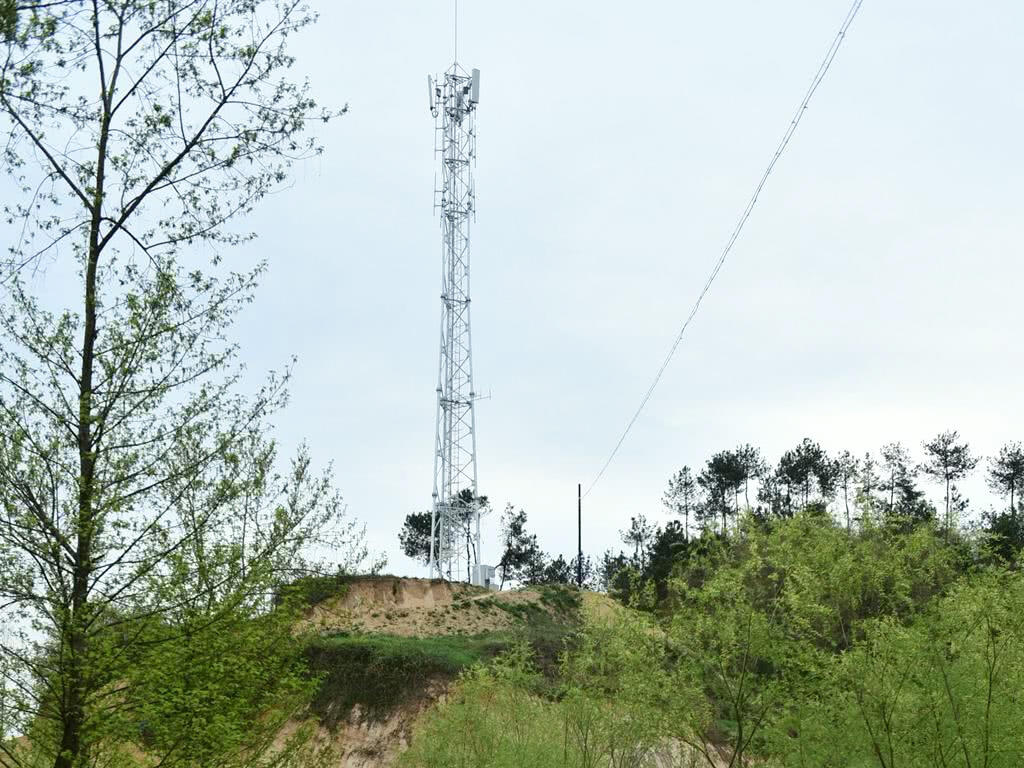
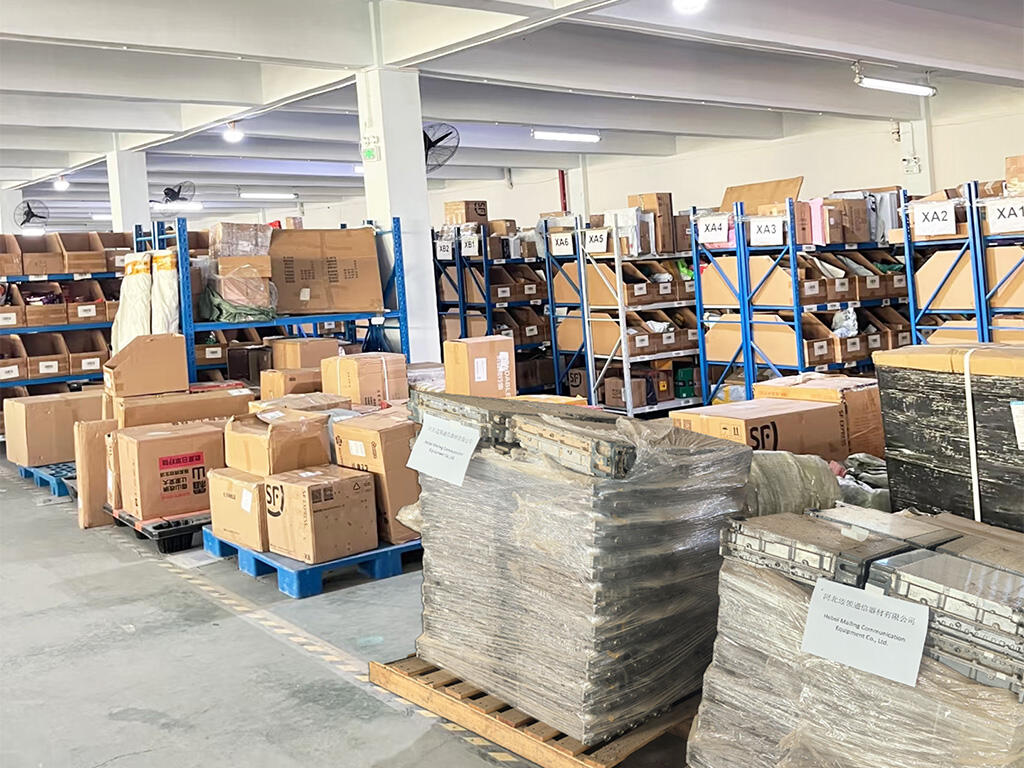
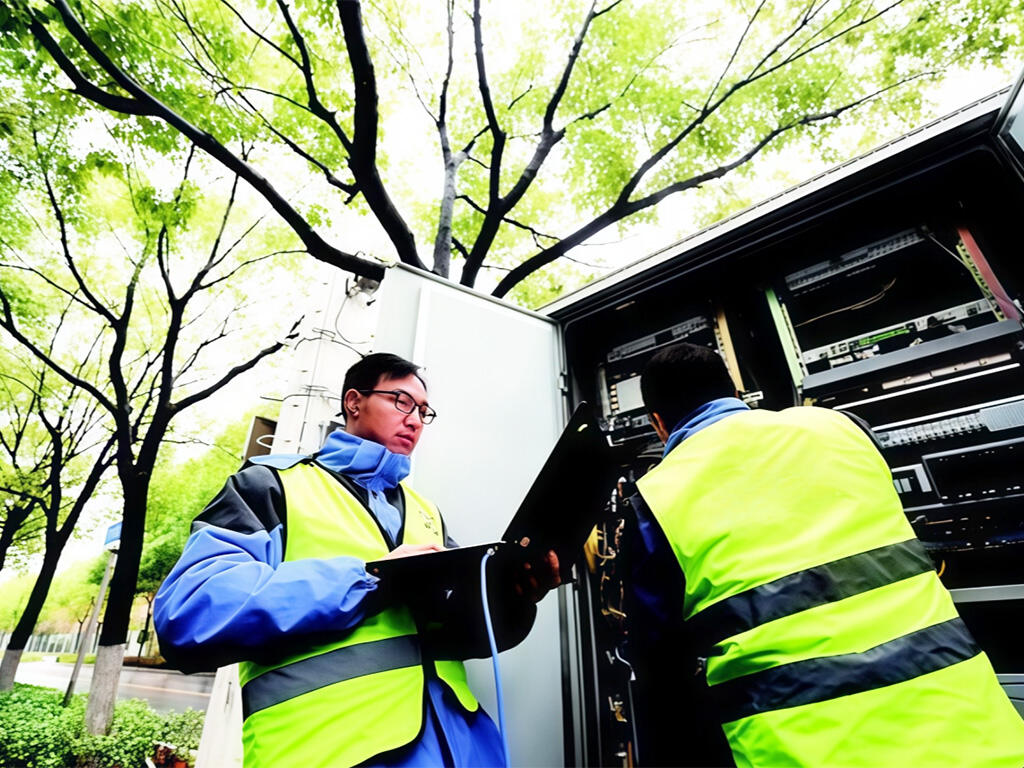
Hebei Mailing Communication Equipment Co., Ltd. offers high-quality RRU, BBU, and communication infrastructure solutions. Specializing in stable, high-strength equipment for global telecom, military, aerospace & industrial sectors. Trusted delivery worldwide.

 EN
EN