 ×
×
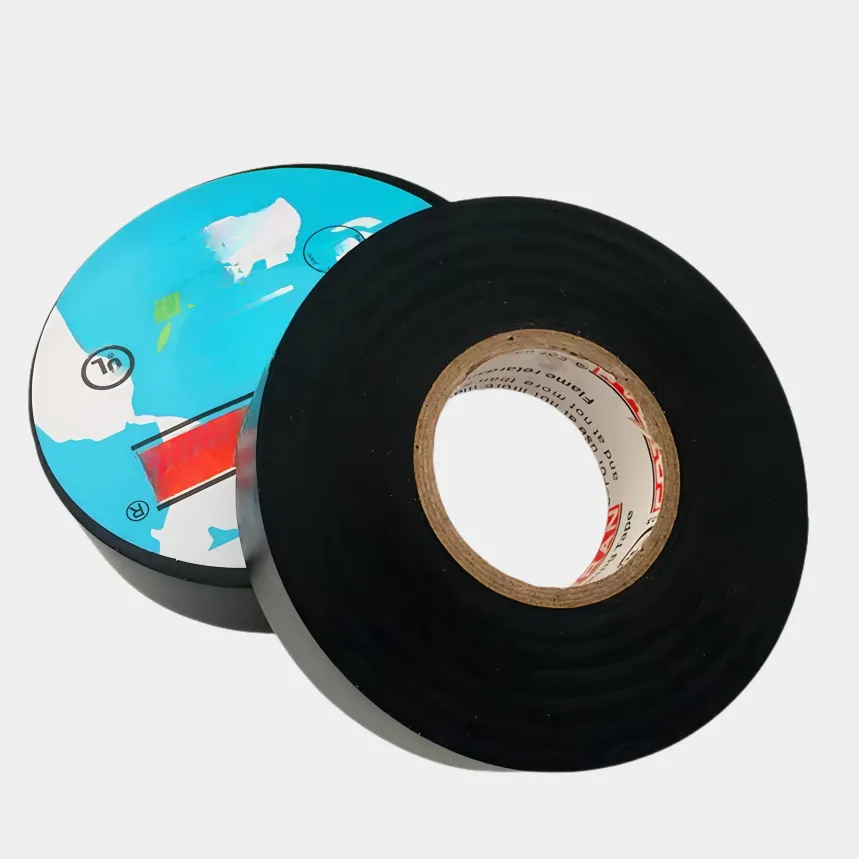
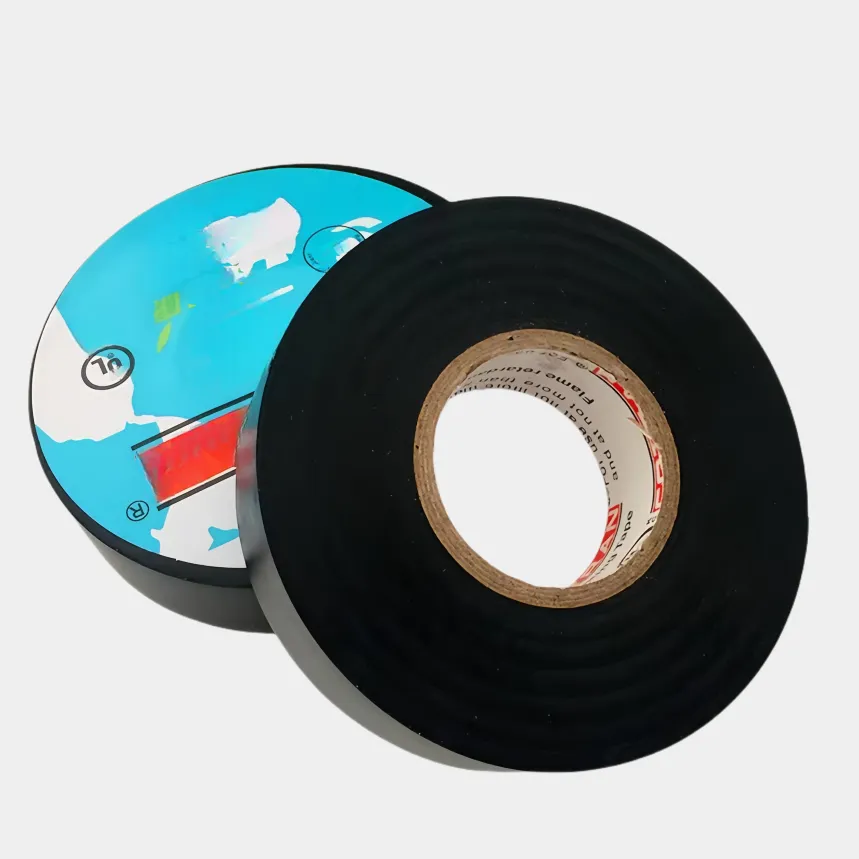
Colored electrical tape serves as a critical tool in electrical systems, combining the insulating properties of standard electrical tape with color coding functionality to enhance safety, organization, and compliance with industry standards. Available in a wide spectrum of hues—including black, red, blue, green, yellow, white, and multi colored variants—this tape is engineered with the same core materials as standard electrical tape, typically vinyl (PVC), rubber, or silicone, but incorporates pigments or dyes to achieve distinct colors without compromising dielectric strength, flexibility, or resistance to environmental factors like moisture, heat, or chemicals. The primary purpose of colored electrical tape is to facilitate visual identification of wires, circuits, and components, reducing the risk of errors during installation, maintenance, or repairs. In electrical panels, junction boxes, and wiring harnesses, different colors denote specific functions: for example, black or red often indicates hot wires carrying current, white or gray signifies neutral wires, and green or green yellow stripes (grounding green) mark ground wires, following standards such as the National Electrical Code (NEC) in the United States or IEC 60446 internationally. This standardization ensures consistency across industries, allowing electricians and technicians worldwide to quickly interpret a system’s layout, even in unfamiliar environments. Beyond basic wiring, colored tape enables more granular classification. In industrial settings, multiple circuits within a single system can be color coded to distinguish phases (e.g., phase A as red, phase B as black, phase C as blue in three phase systems), identify voltage levels, or mark circuits dedicated to specific equipment like motors, lighting, or control systems. This organization streamlines troubleshooting: a technician can immediately isolate a faulty circuit by following its color, reducing downtime and minimizing the risk of accidental contact with live wires. Colored electrical tape also plays a role in safety protocols. Warning colors like yellow or red are used to mark high voltage areas, exposed conductors, or temporary splices, alerting personnel to potential hazards. In construction zones, brightly colored tape may indicate wires that are energized during testing or renovation, preventing accidental damage. Additionally, color coding helps enforce lockout/tagout procedures, where specific colors denote that a circuit is de energized and safe to work on, or conversely, that it remains active and must be avoided. Material considerations are key to the performance of colored electrical tape. Manufacturers ensure that pigments do not degrade the tape’s insulating properties, maintaining dielectric strength (typically 600V for vinyl tapes) and flame resistance. UV stable colors prevent fading in outdoor or well lit environments, ensuring long term visibility, while chemical resistant formulations preserve color integrity in industrial settings exposed to oils, solvents, or cleaning agents. For specialized applications, heat resistant colored tapes (e.g., rubber based variants) maintain color and performance in high temperature environments like engine bays or industrial ovens. Custom color coding systems are also prevalent in industries with unique needs. Data centers, for example, may use specific colors to differentiate between power, network, and fiber optic cables, while automotive wiring harnesses rely on color combinations to distinguish between sensors, actuators, and control circuits. These custom systems, often documented in facility specific manuals, complement standard codes to enhance efficiency in complex environments. Compliance with regional standards is essential, as color meanings can vary by country: in Europe, brown is commonly used for live wires instead of black, while in Australia, active wires may be red, brown, or orange. Using region appropriate colored tape ensures adherence to local regulations, avoiding code violations and safety inspections failures. In summary, colored electrical tape is more than a functional insulator—it is a universal language in electrical systems, enabling clear communication, reducing errors, and enhancing safety through standardized and custom color coding. Its ability to combine performance with visual clarity makes it indispensable across residential, commercial, and industrial applications.
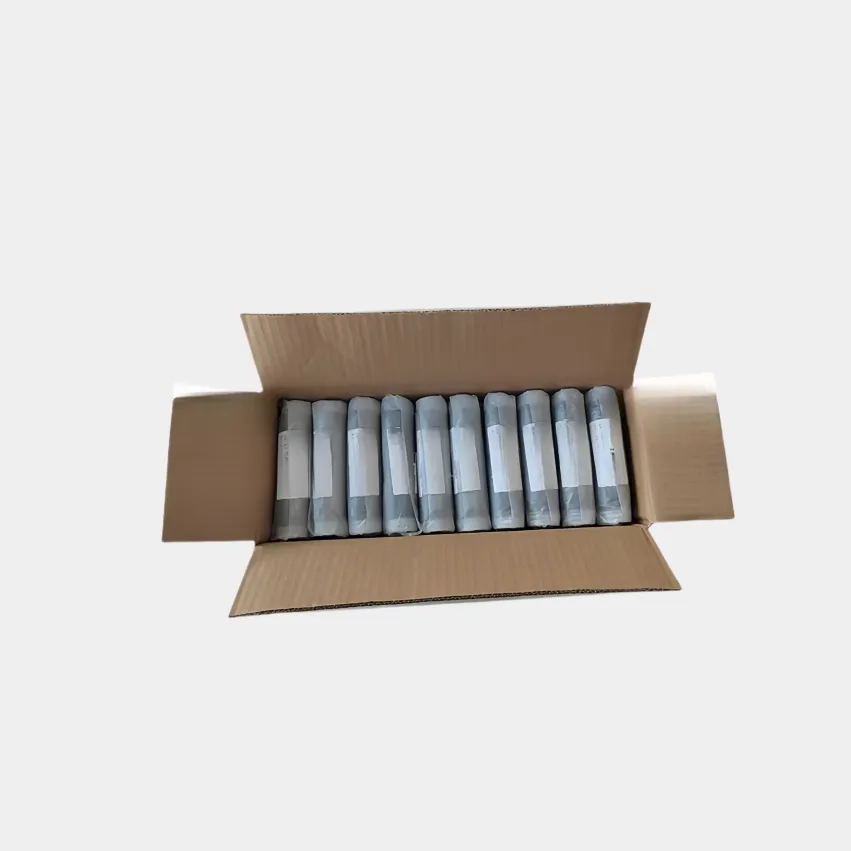
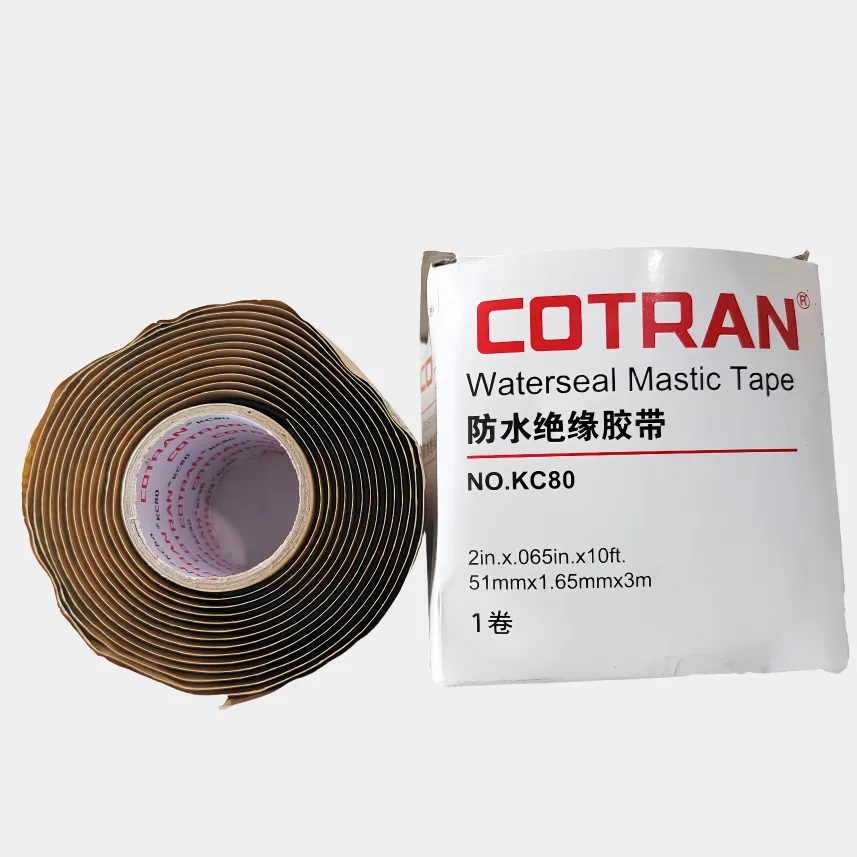
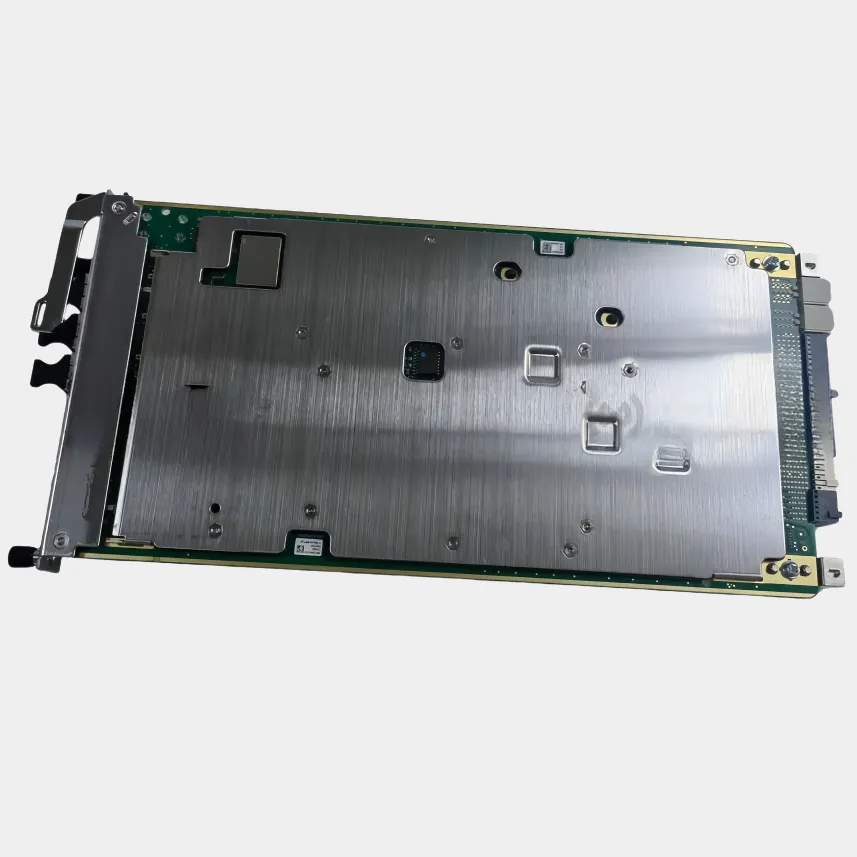
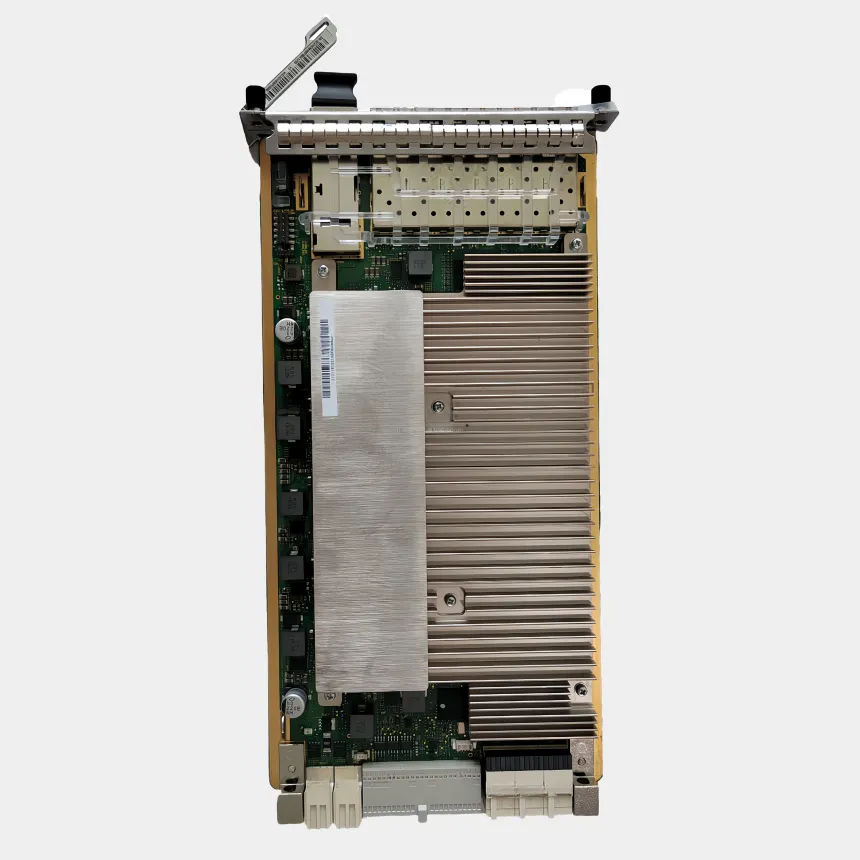
Hebei Mailing Communication Equipment Co., Ltd. offers high-quality RRU, BBU, and communication infrastructure solutions. Specializing in stable, high-strength equipment for global telecom, military, aerospace & industrial sectors. Trusted delivery worldwide.


 EN
EN