 ×
×
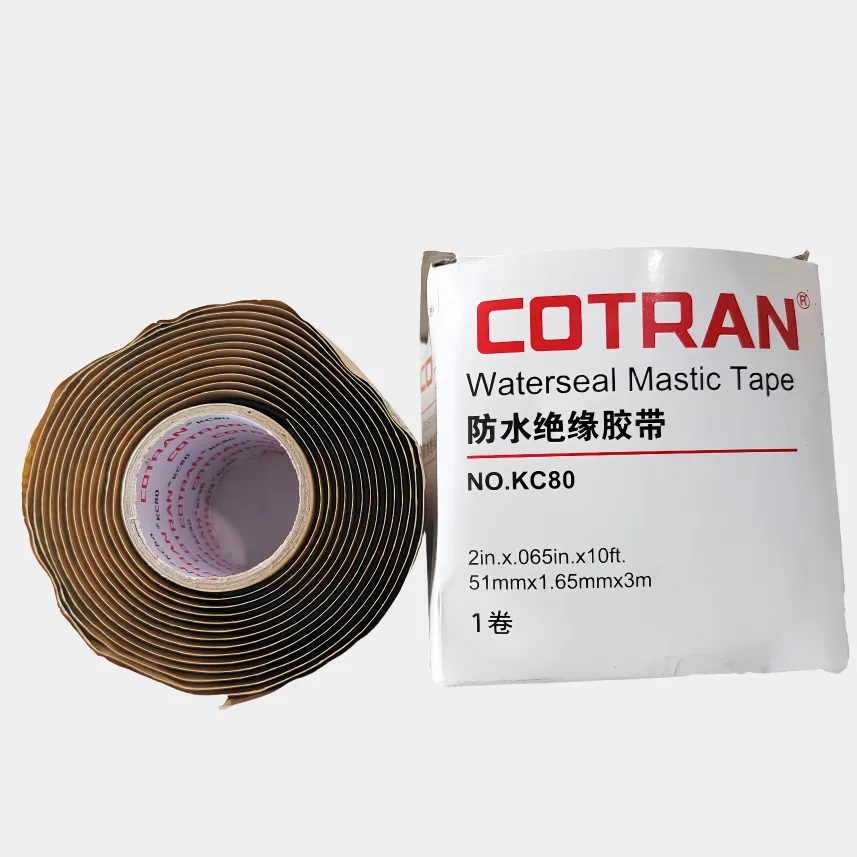
Electrical tape and other types of tape—such as duct tape, masking tape, gaffer tape, and vinyl tape—differ significantly in design, functionality, and application, making each suitable for distinct tasks based on their material composition, adhesive properties, and performance characteristics. Understanding these differences is crucial for selecting the right tape for a specific job, whether in electrical work, construction, packaging, or repairs. Electrical tape is engineered primarily for electrical insulation, with a base material typically made of vinyl (PVC), rubber, or silicone, coated with a pressure sensitive adhesive. Its key features include high dielectric strength (to resist electrical current), flame resistance, and flexibility, even at low temperatures. Vinyl electrical tape, the most common variant, offers excellent insulation (up to 600V), resistance to moisture and abrasion, and is designed to conform to irregular surfaces, making it ideal for wrapping wires, insulating splices, or marking conductors. Rubber electrical tape, while more expensive, provides superior elasticity and heat resistance (up to 176°F/80°C), suitable for high voltage applications or environments with temperature fluctuations. Silicone electrical tape, though less common, excels in extreme temperatures ( 67°F to 500°F/ 55°C to 260°C) and chemical resistance, used in industrial settings. In contrast, duct tape—composed of a cloth or scrim backing with a rubber based adhesive—is valued for strength and versatility but lacks electrical insulation properties. Its dielectric strength is low, making it unsafe for electrical applications, and it can degrade under heat, releasing toxic fumes. Masking tape, with a paper backing and weak adhesive, is designed for temporary use in painting or labeling, offering easy removal but poor resistance to moisture, heat, or abrasion, rendering it unsuitable for structural or protective tasks. Gaffer tape, similar to duct tape but with a fabric backing and matte finish, is used in entertainment and stage setups for its strong adhesion, residue free removal, and ability to blend into surfaces, but it lacks electrical insulation and is not flame resistant. Vinyl tape, often confused with vinyl electrical tape, may lack the dielectric properties required for electrical work, designed instead for general purpose labeling or bundling. Performance wise, electrical tape outperforms others in electrical safety: it meets standards like UL 510, ensuring it can withstand voltage without breakdown, whereas duct or masking tape may conduct electricity when wet or degraded. In terms of durability, electrical tape resists UV radiation, oils, and solvents, maintaining integrity over time, while duct tape can dry out and peel in prolonged sunlight. Flexibility is another key distinction: electrical tape stretches to conform to wires and connectors, creating a tight seal, while rigid tapes like masking tape crack or lift when wrapped around curves. Cost also varies: electrical tape is typically more expensive due to its specialized materials, while duct or masking tape is cheaper for general use. Application specific differences are stark: electrical tape is mandatory for insulating wires, preventing short circuits, and marking phases in electrical panels; duct tape is used for temporary repairs, bundling non electrical items, or sealing boxes; gaffer tape secures cables in events without leaving residue; masking tape protects surfaces during painting. Using the wrong tape can have serious consequences—for example, substituting duct tape for electrical tape in a wiring splice risks electrical fires, while using electrical tape for packaging may be inefficient due to its lower tensile strength compared to duct tape. In summary, while other tapes excel in strength, removability, or cost, electrical tape is uniquely engineered for electrical safety and insulation, making it irreplaceable in electrical systems, whereas its counterparts serve distinct, non electrical purposes.


Hebei Mailing Communication Equipment Co., Ltd. offers high-quality RRU, BBU, and communication infrastructure solutions. Specializing in stable, high-strength equipment for global telecom, military, aerospace & industrial sectors. Trusted delivery worldwide.



 EN
EN