 ×
×
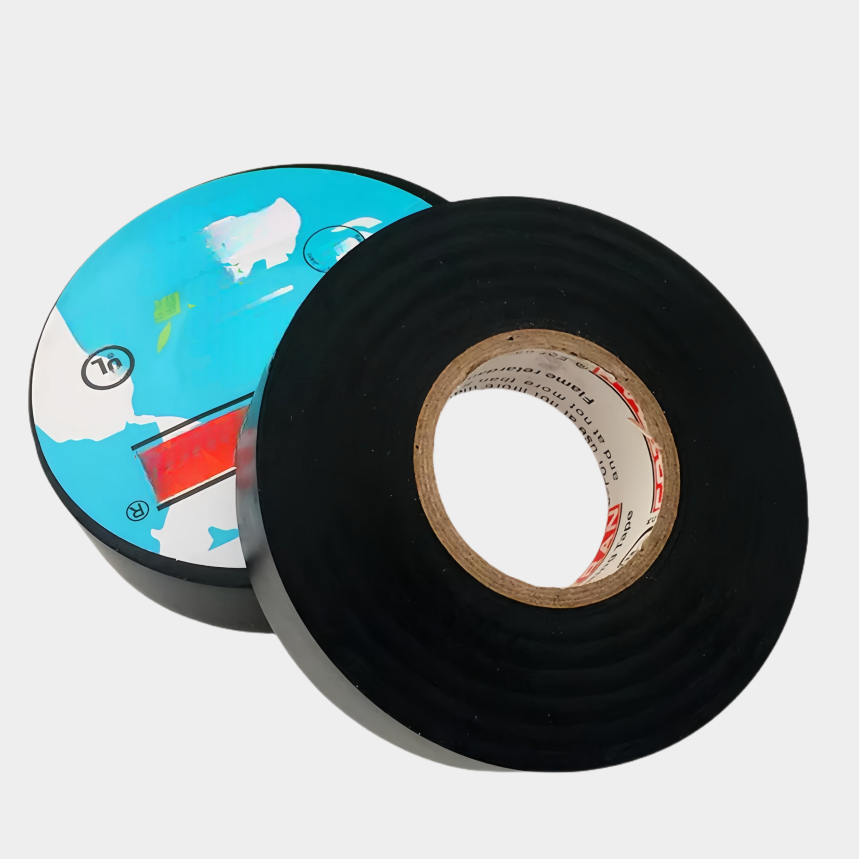
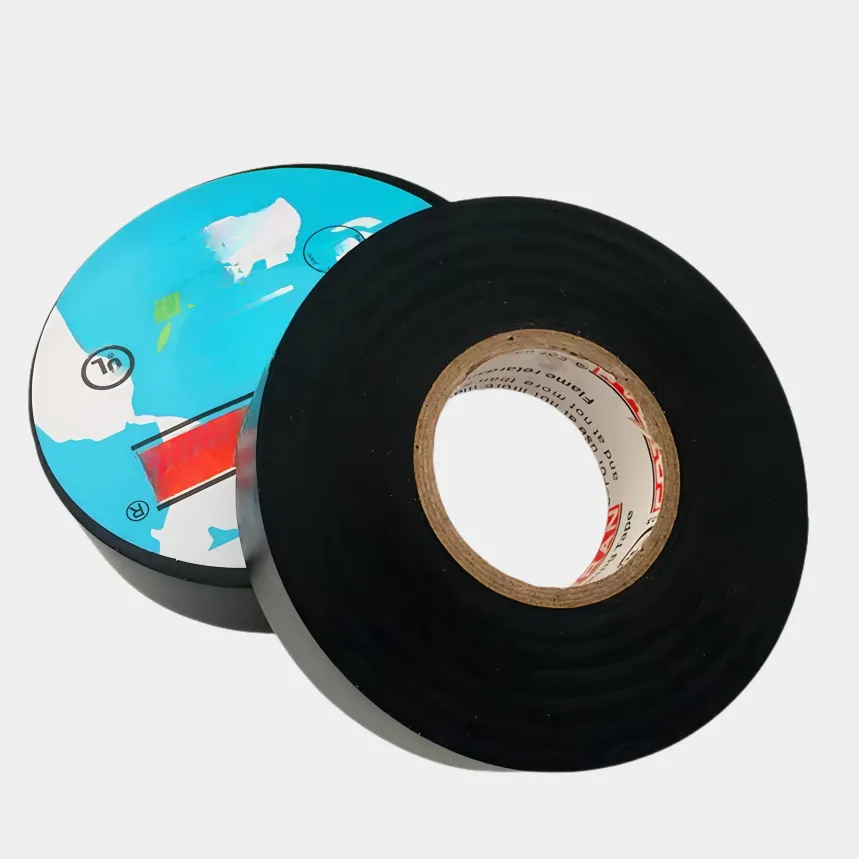
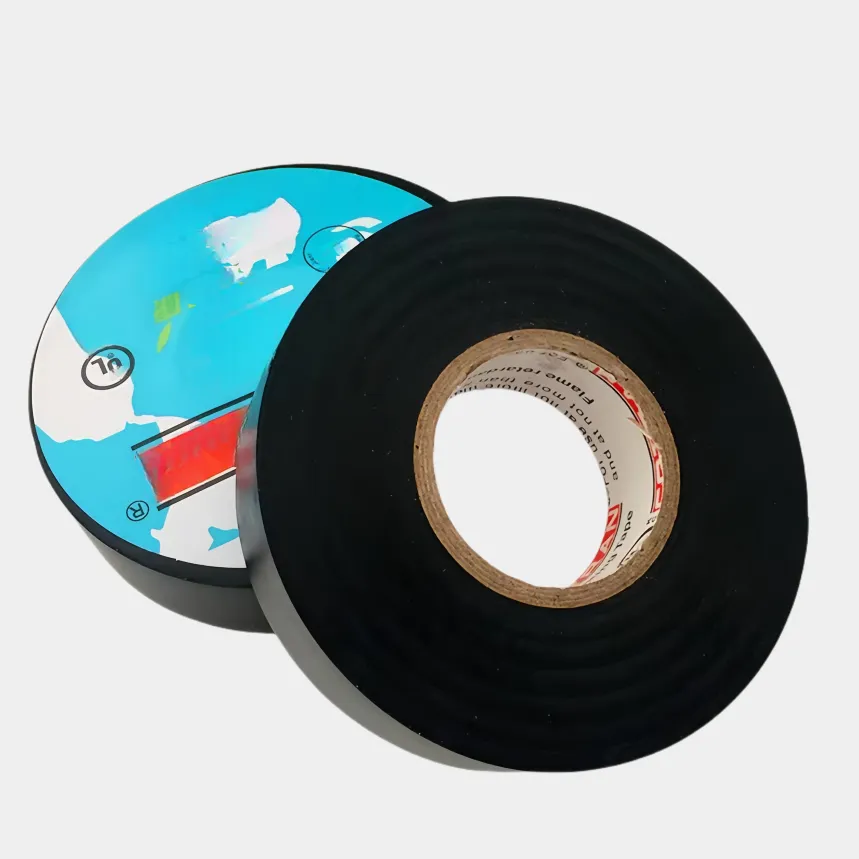
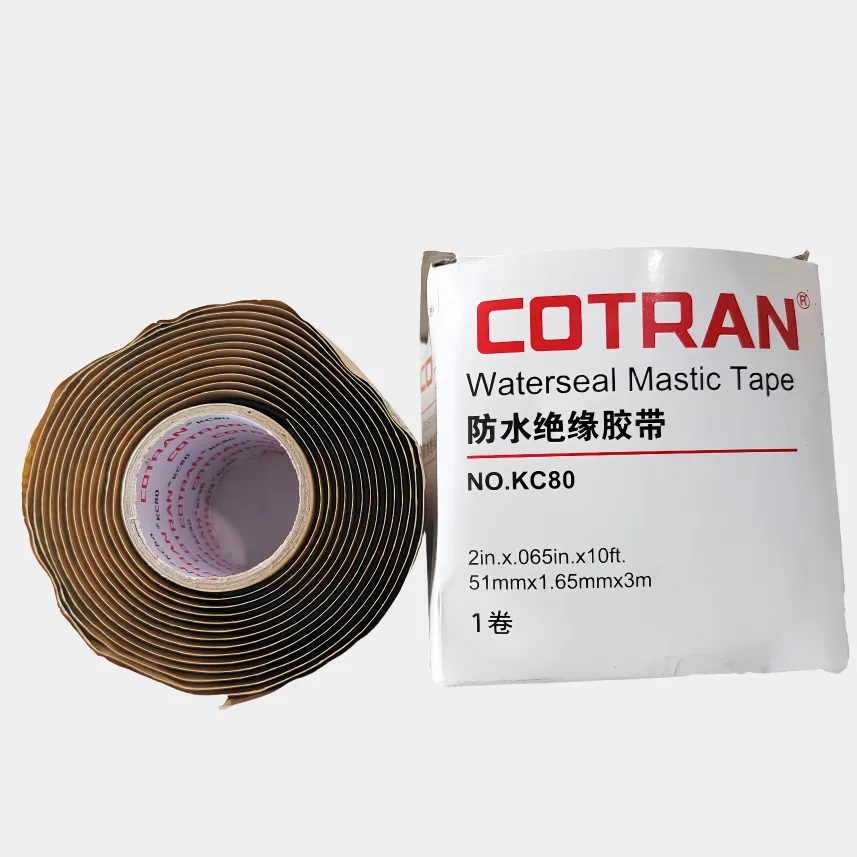
Tape PVC insulation refers to electrical tape constructed from polyvinyl chloride (PVC) that is specifically designed to provide electrical insulation, protecting wires, cables, and electrical connections from short circuits, moisture, and physical damage. PVC, a synthetic polymer known for its durability, flexibility, and dielectric properties, forms the base material of this tape, which is then coated with a pressure sensitive adhesive—typically rubber based or acrylic—to ensure secure adhesion to various surfaces. This type of insulation tape is widely used in electrical installations, maintenance, and repairs across residential, commercial, and industrial settings, valued for its balance of performance, cost effectiveness, and ease of use. The insulating properties of PVC tape stem from its high dielectric strength, which measures its ability to resist electrical breakdown under voltage. Standard PVC electrical tape typically offers a dielectric strength of 600 volts per mil (a unit of thickness), making it suitable for low to medium voltage applications (up to 600V), such as insulating wire splices, wrapping exposed conductors, or covering terminal blocks. This dielectric strength is maintained through the PVC’s molecular structure, which is inherently non conductive and resistant to the flow of electrical current, even when exposed to moisture—a critical feature in preventing ground faults or short circuits in damp environments like basements, outdoor fixtures, or industrial facilities. PVC’s flexibility is another key attribute, allowing the tape to stretch and conform to irregular shapes, such as wire bends, connectors, or bundling multiple wires together. This conformability creates a tight, uniform seal that excludes dust, dirt, and liquids, enhancing long term insulation performance. Unlike rigid insulation materials, PVC tape adapts to thermal expansion and contraction of wires, preventing cracks or gaps that could compromise insulation over time. This flexibility is particularly valuable in applications where wires are subject to movement, such as in automotive wiring harnesses or machinery with vibrating components. Chemical and environmental resistance further enhance PVC insulation tape’s utility. PVC is inherently resistant to water, oils, greases, and many mild chemicals, ensuring it remains effective in environments where exposure to these substances is common—for example, in garages, workshops, or manufacturing plants. It also resists UV radiation to some extent, though prolonged outdoor exposure may cause gradual degradation, making it suitable for temporary outdoor use or protected outdoor enclosures. For extended outdoor applications, UV stabilized PVC tapes are available to prevent brittleness and maintain flexibility. The adhesive layer in PVC insulation tape is engineered to complement the PVC backing, providing strong initial adhesion while allowing for repositioning during application. Rubber based adhesives offer excellent adhesion to a variety of surfaces, including metal, plastic, and rubber, and remain flexible at low temperatures, making them suitable for cold environments. Acrylic adhesives, on the other hand, provide better resistance to heat and aging, maintaining adhesion in higher temperature settings (up to 176°F/80°C) without becoming gummy or losing grip. This heat resistance is crucial in applications like engine compartments or near heat generating electrical components, where excessive heat can degrade inferior tapes. PVC insulation tape also meets stringent industry standards to ensure safety and performance. For example, UL 510 certification indicates that the tape has been tested for dielectric strength, flame resistance, and resistance to abrasion and solvents, ensuring it meets minimum safety requirements for electrical insulation. Compliance with these standards is mandatory in many regions, as non certified tapes may fail under stress, leading to electrical hazards. In terms of application, PVC insulation tape is easy to use, requiring no special tools—simply stretch and wrap it around the target surface, overlapping layers by 50% to ensure complete coverage. Its availability in various widths (from 1/2 inch to 2 inches) and lengths (typically 30 to 66 feet) allows for customization to specific tasks, from insulating small wire splices to bundling large cable bundles. While PVC insulation tape is versatile, it is not suitable for all applications: high voltage systems (above 600V) may require rubber or silicone tapes, and extreme temperatures (above 176°F/80°C) can cause PVC to soften or melt, necessitating heat resistant alternatives. However, for the majority of low to medium voltage electrical insulation needs, PVC tape remains the go to choice, offering a reliable, cost effective solution that balances performance, durability, and ease of use.
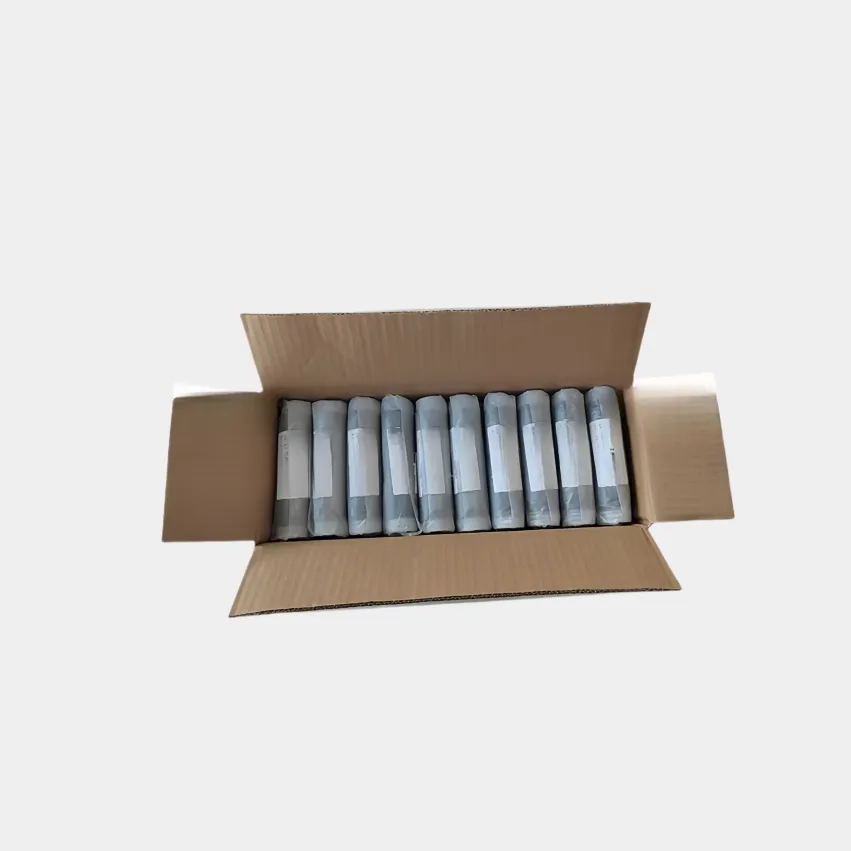
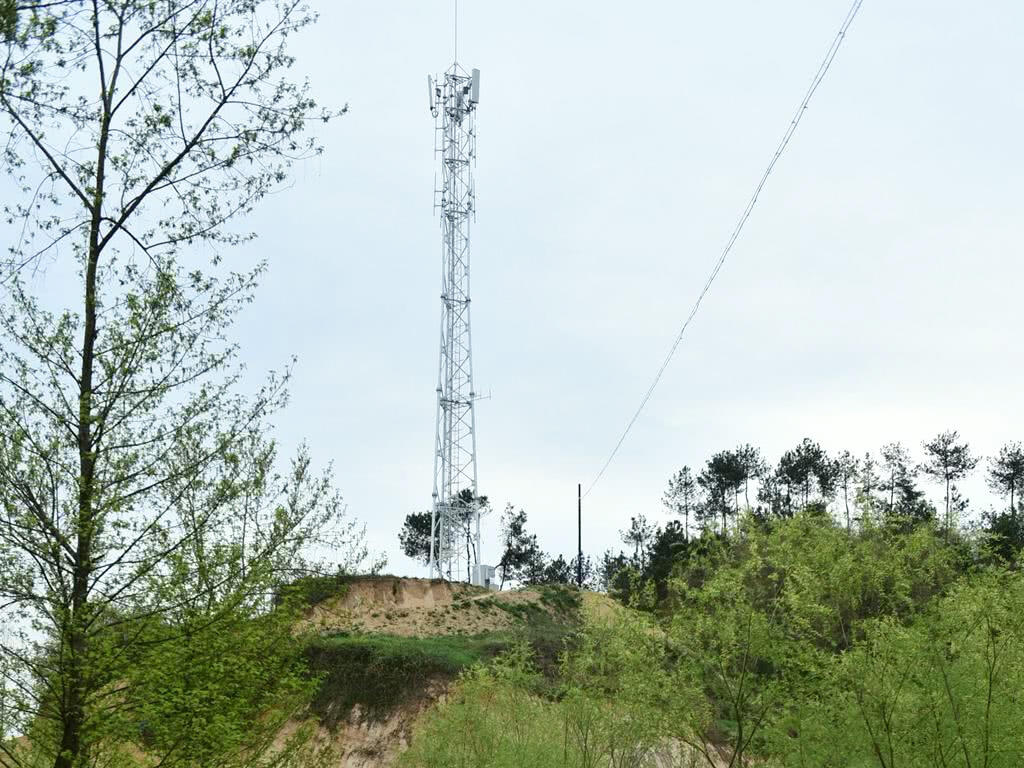
Hebei Mailing Communication Equipment Co., Ltd. offers high-quality RRU, BBU, and communication infrastructure solutions. Specializing in stable, high-strength equipment for global telecom, military, aerospace & industrial sectors. Trusted delivery worldwide.

 EN
EN