 ×
×
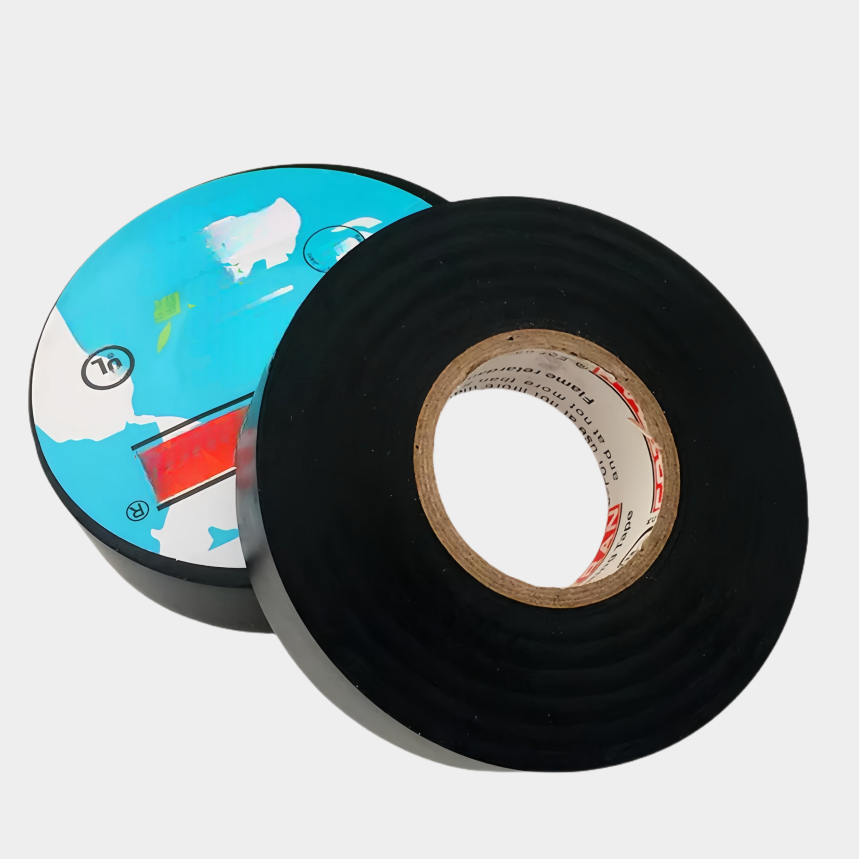
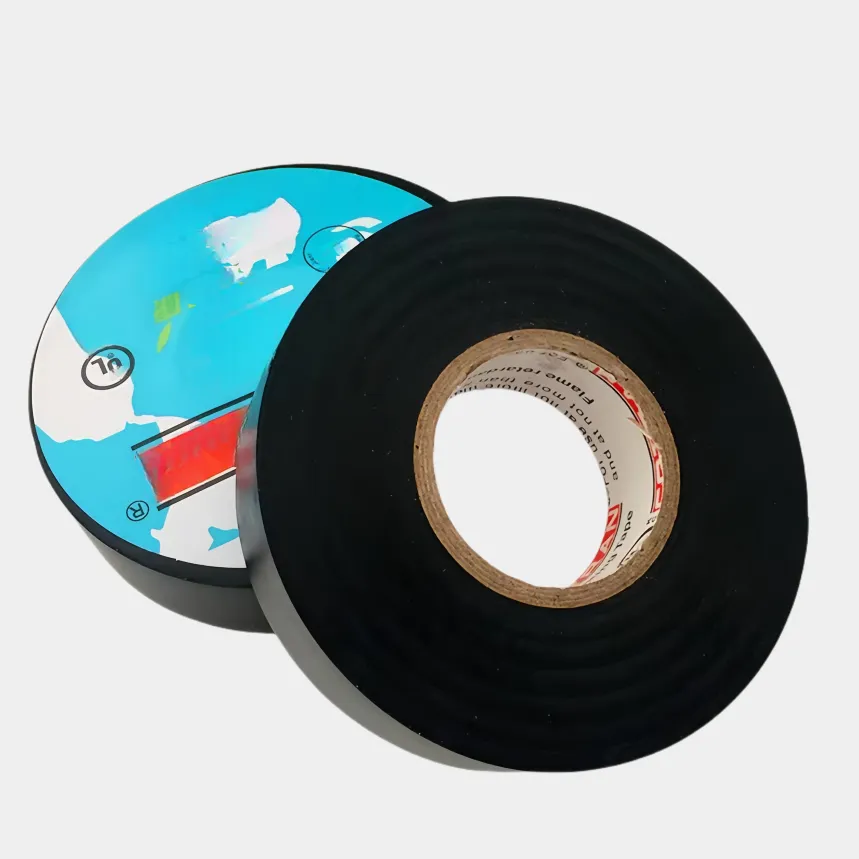
Red electrical tape is a specialized insulating material distinguished by its bright red color, serving critical roles in electrical safety, identification, and insulation across residential, commercial, and industrial applications. Its color is standardized by organizations like the NEC (National Electrical Code), IEC (International Electrotechnical Commission), and OSHA (Occupational Safety and Health Administration) to convey specific meanings, primarily indicating high voltage conductors, phase identification, or hazardous areas, thereby reducing the risk of accidents during installation, maintenance, or repairs. In terms of material composition, red electrical tape typically features a PVC (polyvinyl chloride) backing or rubber based substrate coated with a pressure sensitive adhesive, ensuring excellent dielectric strength (often 600V or higher) and resistance to moisture, heat, and chemicals. This makes it suitable for insulating wires in high voltage systems (above 600V) where standard black tape may not provide sufficient visibility or warning. The adhesive layer forms a tight seal when applied with tension, preventing moisture and dust ingress, which is crucial for maintaining insulation integrity in outdoor or industrial environments. One of the primary functions of red electrical tape is phase identification in three phase electrical systems, where it is commonly used to mark the A phase (or line 1), alongside other colors like black or orange for B and C phases. This color coding allows electricians to quickly distinguish between phases, preventing incorrect connections that could cause short circuits, equipment damage, or power outages. In regions following IEC standards, red may also indicate live conductors, serving as a visual warning to exercise caution. Red electrical tape is also used to mark hazardous areas or temporary connections, such as in construction sites where electrical systems are not yet permanent. Its high visibility ensures that uninsulated or exposed conductors are easily noticeable, reducing the risk of electric shock. Additionally, it is used to repair damaged insulation on high voltage cables, providing a temporary or permanent seal that maintains dielectric properties while signaling that the repair requires attention during future inspections. In automotive and industrial settings, red electrical tape insulates ignition wires, battery terminals, and high voltage components in electric vehicles, where its heat resistance (up to 80°C for PVC variants, higher for silicone based tapes) ensures performance under elevated temperatures. It is also used for bundling wires in control panels, with its color indicating circuits that carry critical or high power signals. Compliance with safety standards is paramount: red electrical tape must meet UL 510 for insulation and flame resistance, ensuring it does not support combustion and can withstand voltage stress without breakdown. Its tearable design allows for easy application, with overlapping layers (50% overlap) creating a continuous insulating barrier. Regular inspection is necessary, as fading or degradation over time can reduce visibility and effectiveness, requiring replacement to maintain safety. Overall, red electrical tape combines functional insulation with critical visual signaling, making it an indispensable tool in ensuring electrical system safety and reliability.
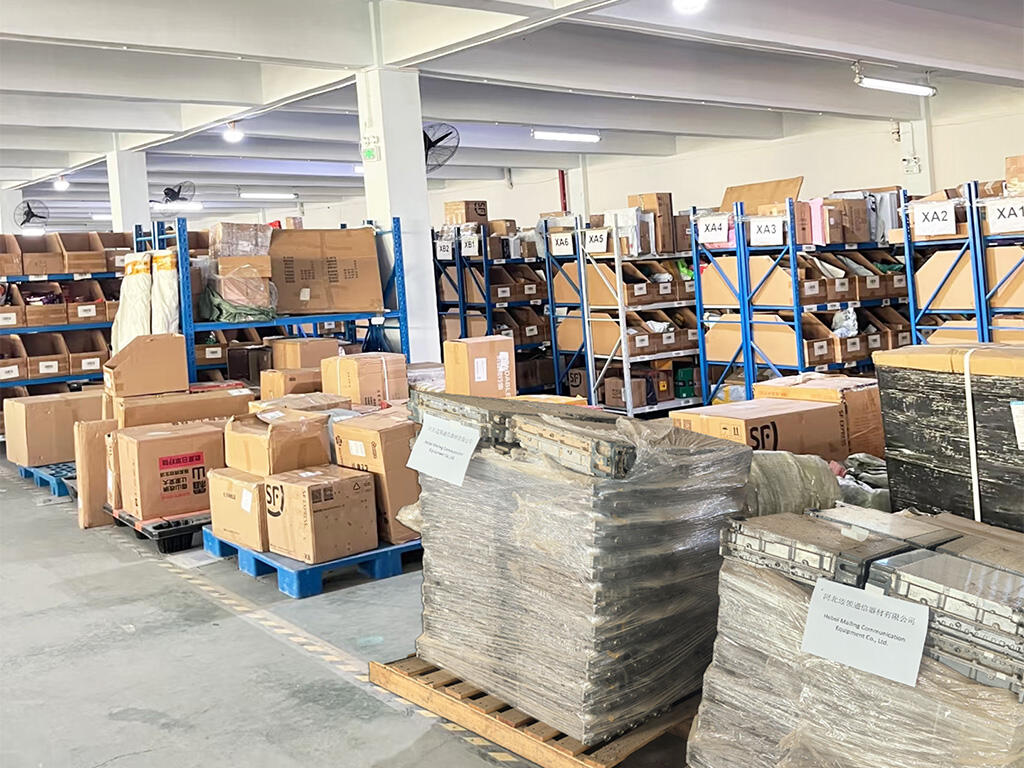
Hebei Mailing Communication Equipment Co., Ltd. offers high-quality RRU, BBU, and communication infrastructure solutions. Specializing in stable, high-strength equipment for global telecom, military, aerospace & industrial sectors. Trusted delivery worldwide.



 EN
EN