 ×
×
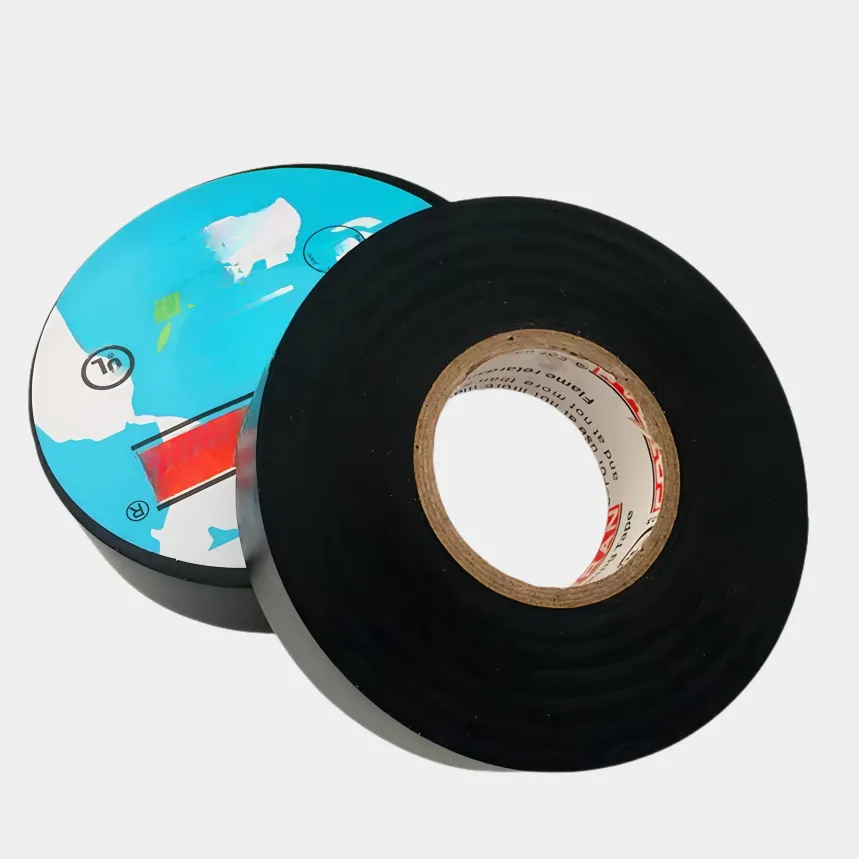
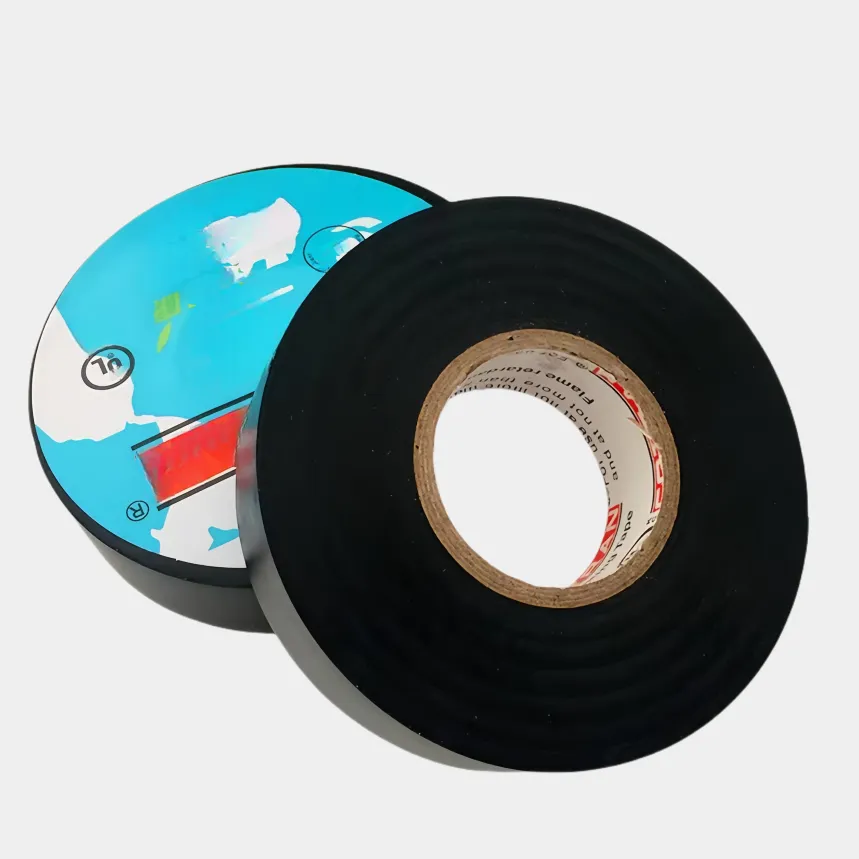
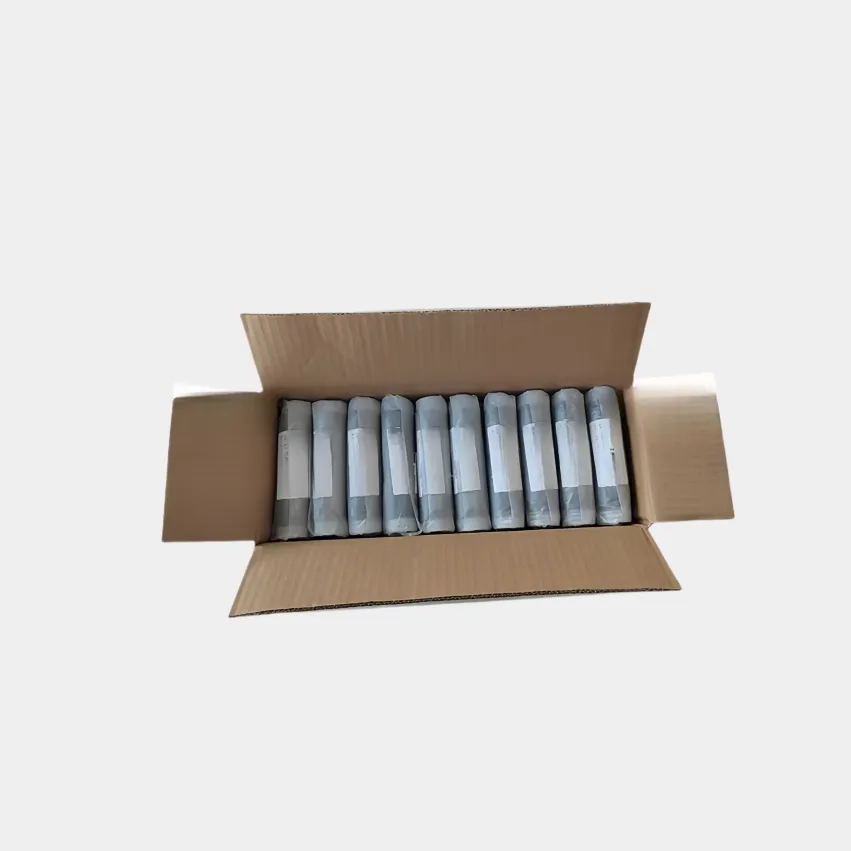
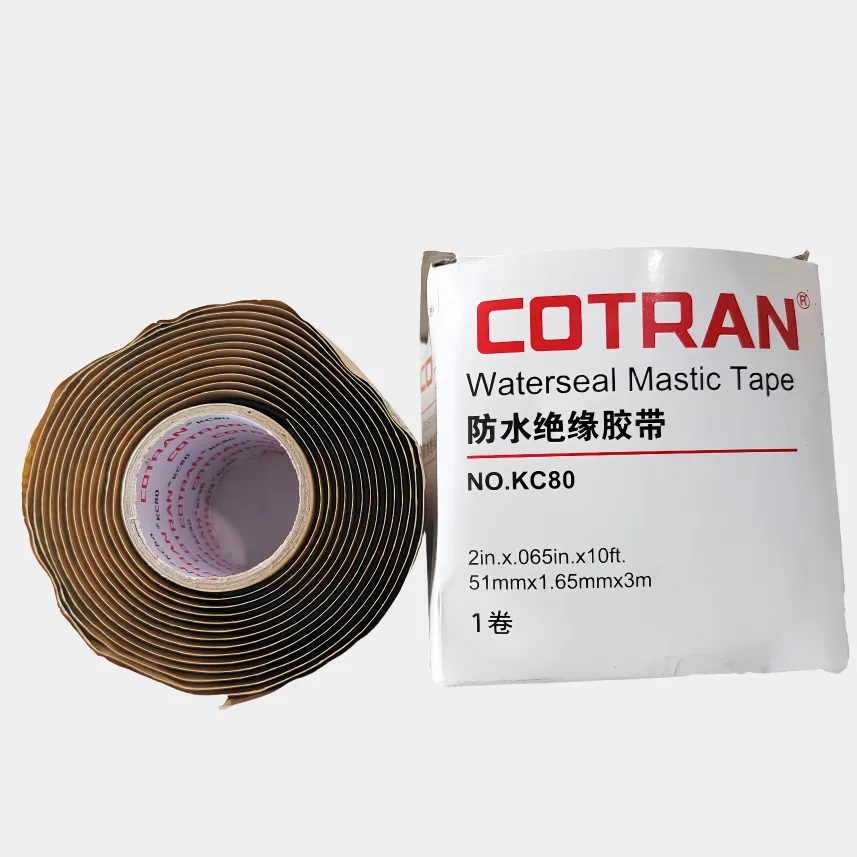
Electrical tape compatibility with materials is a critical consideration in various industrial, commercial, and residential applications, as improper material interaction can lead to performance degradation, safety hazards, or premature failure of the taped components. The primary factors influencing compatibility include the chemical composition of the tape’s base material—typically vinyl (PVC), rubber, or silicone—and the properties of the surface it contacts, such as plastics, metals, rubber, paints, or solvents. Vinyl electrical tape, the most common type, relies on a PVC backing with an adhesive layer, often rubber based or acrylic. Its compatibility with materials depends on chemical resistance: PVC is generally resistant to water, oils, and mild chemicals, making it suitable for metals like copper, aluminum, and steel, as it does not react with these surfaces or cause corrosion. However, vinyl can interact negatively with certain plastics, particularly those containing plasticizers or solvents, such as polyethylene (PE) or polypropylene (PP) in some formulations, as the tape’s adhesive may leach plasticizers over time, leading to stickiness, discoloration, or even degradation of both the tape and the plastic surface. Rubber based electrical tapes, known for flexibility and high temperature resistance, exhibit different compatibility profiles. They adhere well to rubber surfaces, such as insulation on electrical wires, due to similar chemical structures, which promote adhesion without causing swelling or breakdown. However, rubber tapes may not be compatible with petroleum based products or strong solvents, as these can dissolve the rubber, compromising the tape’s integrity. Silicone electrical tapes, designed for extreme temperatures and chemical exposure, offer broad compatibility with metals, glass, ceramics, and many plastics, including high temperature plastics like Teflon (PTFE). Their inert nature prevents chemical reactions, making them ideal for applications involving harsh substances or sensitive materials. Another key aspect is thermal compatibility. When used on materials with significantly different thermal expansion coefficients, such as metals and plastics, the tape must maintain adhesion and elasticity across temperature fluctuations to prevent peeling or cracking. For example, when applied to a metal conduit that heats up during operation, a tape with poor thermal compatibility might lose adhesion as the metal expands, creating gaps that allow moisture or contaminants to penetrate. Adhesive type also plays a role: acrylic adhesives offer better UV resistance and compatibility with a wider range of materials compared to rubber adhesives, which may degrade under prolonged sunlight or exposure to certain chemicals. Additionally, compatibility with painted surfaces is a concern in automotive or construction settings. Electrical tape adhesives should not react with paint, causing it to bubble, peel, or discolor. Vinyl tapes with low tack adhesives are often preferred here to minimize paint damage upon removal. In industrial settings, where exposure to lubricants, coolants, or cleaning agents is common, testing compatibility is essential. For instance, in manufacturing facilities, electrical tape used on machinery near hydraulic fluids must resist degradation from these oils to maintain insulation and protection. Similarly, in marine environments, tapes must be compatible with saltwater and the metals used in marine electrical systems to prevent galvanic corrosion. Compatibility testing methods include visual inspection after prolonged contact, adhesion strength measurements, and chemical resistance tests using standardized protocols. Manufacturers often provide compatibility charts specifying which materials their tapes can safely contact, but real world conditions may require additional testing, especially when dealing with proprietary or blended materials. Understanding these interactions ensures that electrical tape performs its intended functions—insulation, bundling, or protection—without compromising the integrity of the materials it touches, ultimately enhancing safety and longevity in all applications.
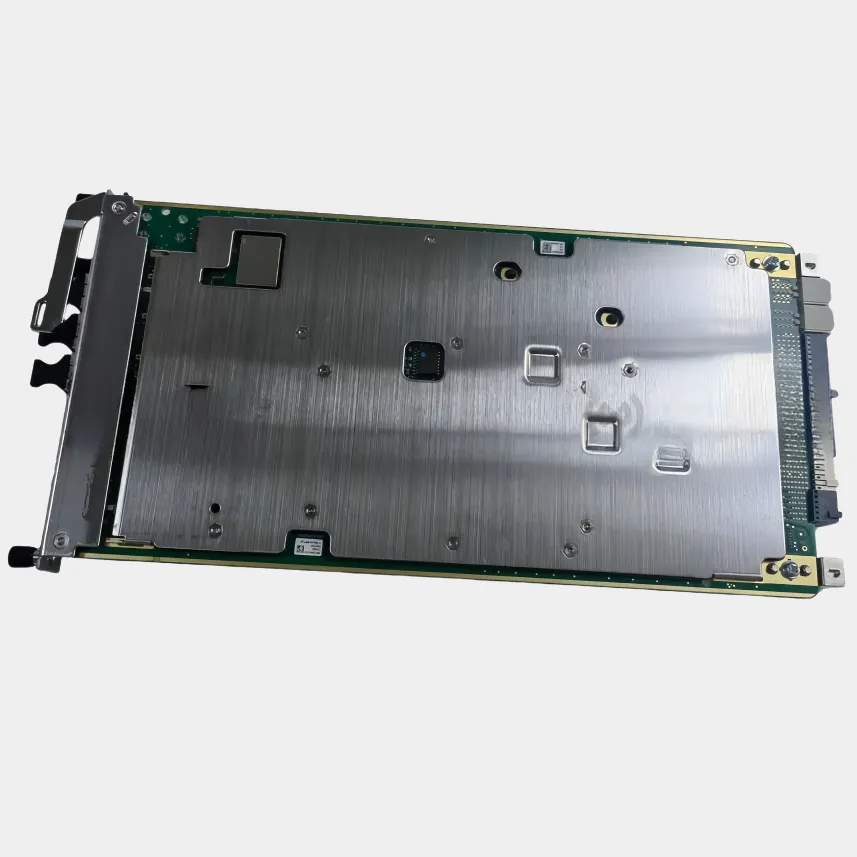
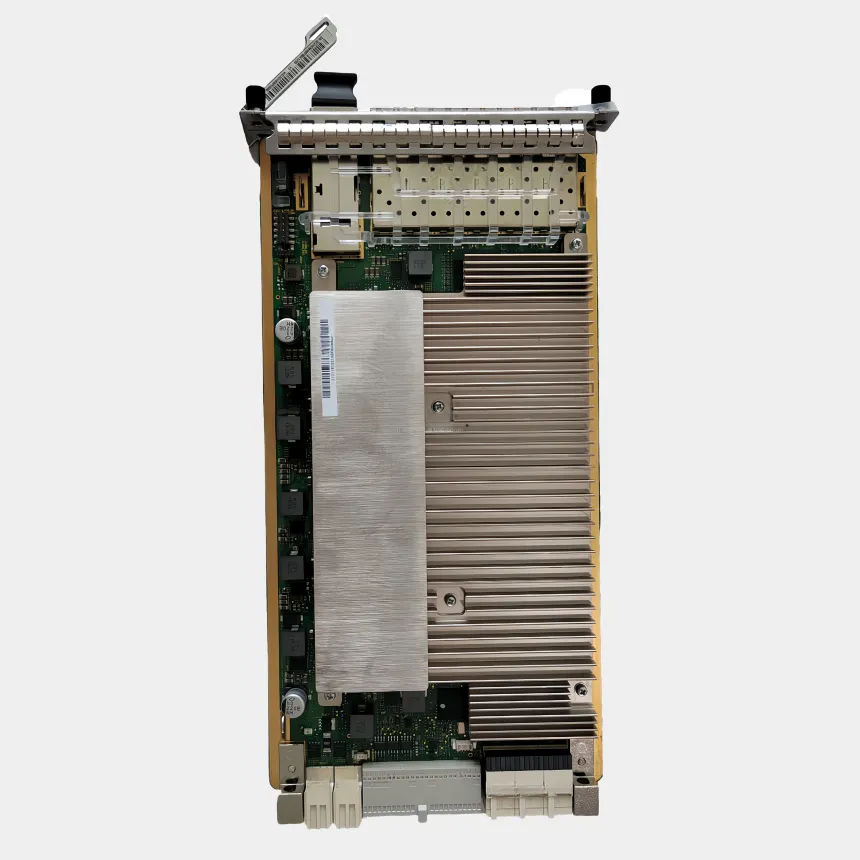
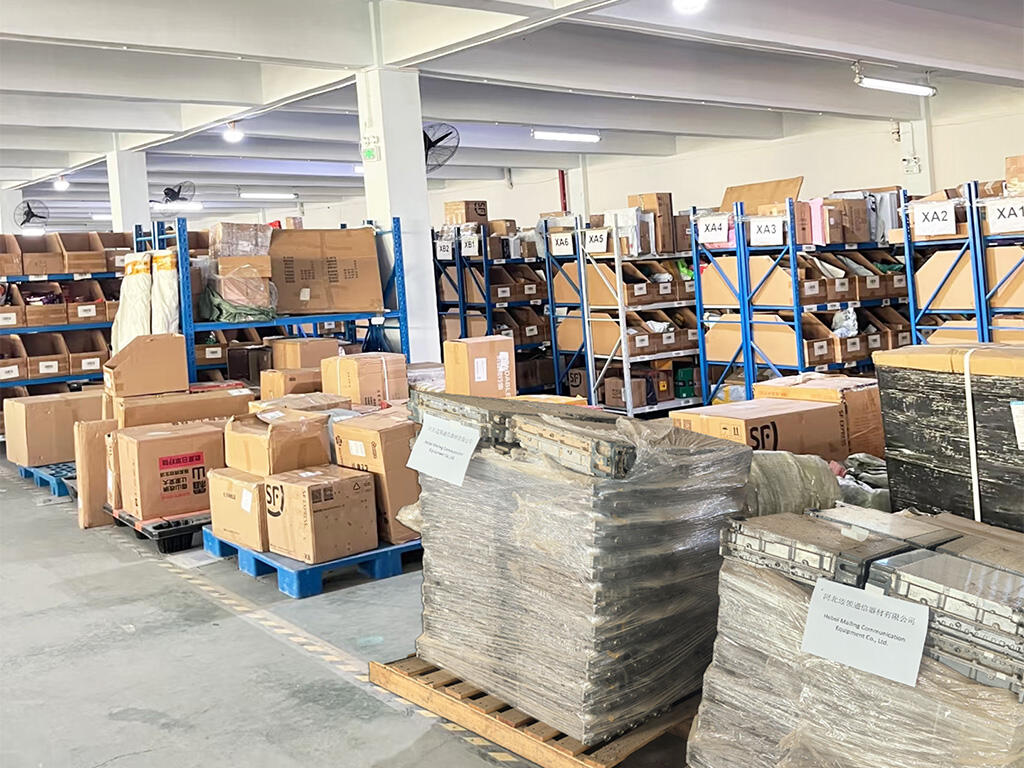
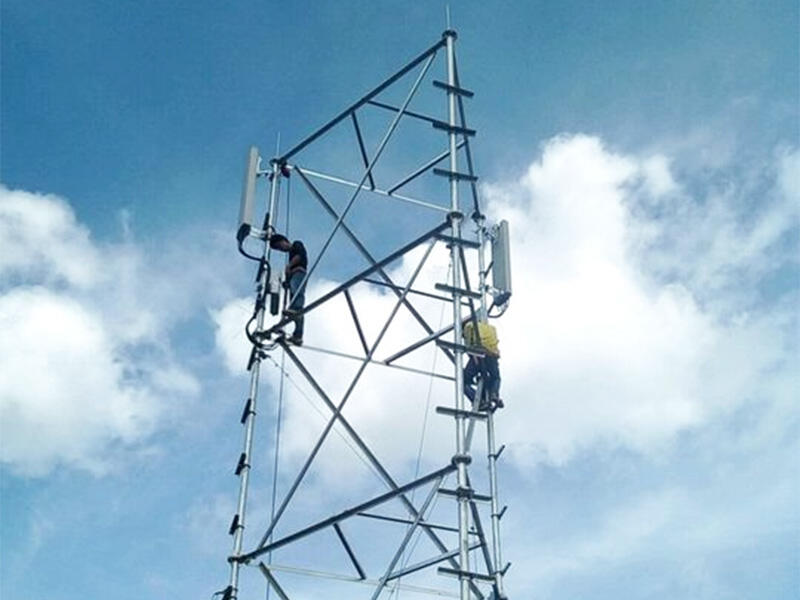
Hebei Mailing Communication Equipment Co., Ltd. offers high-quality RRU, BBU, and communication infrastructure solutions. Specializing in stable, high-strength equipment for global telecom, military, aerospace & industrial sectors. Trusted delivery worldwide.



 EN
EN