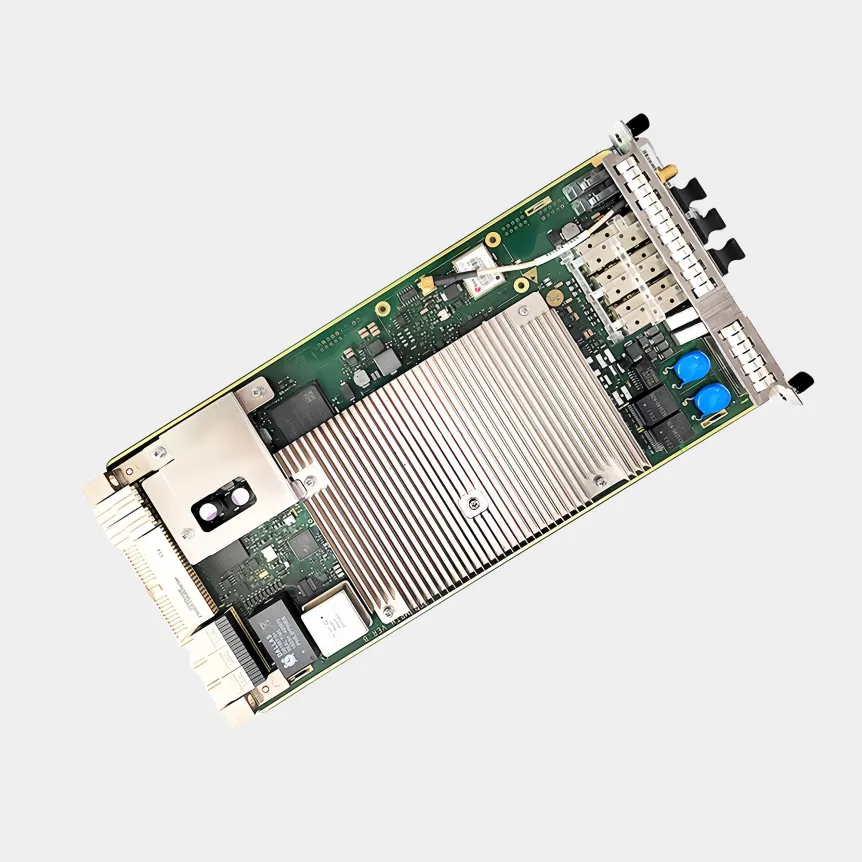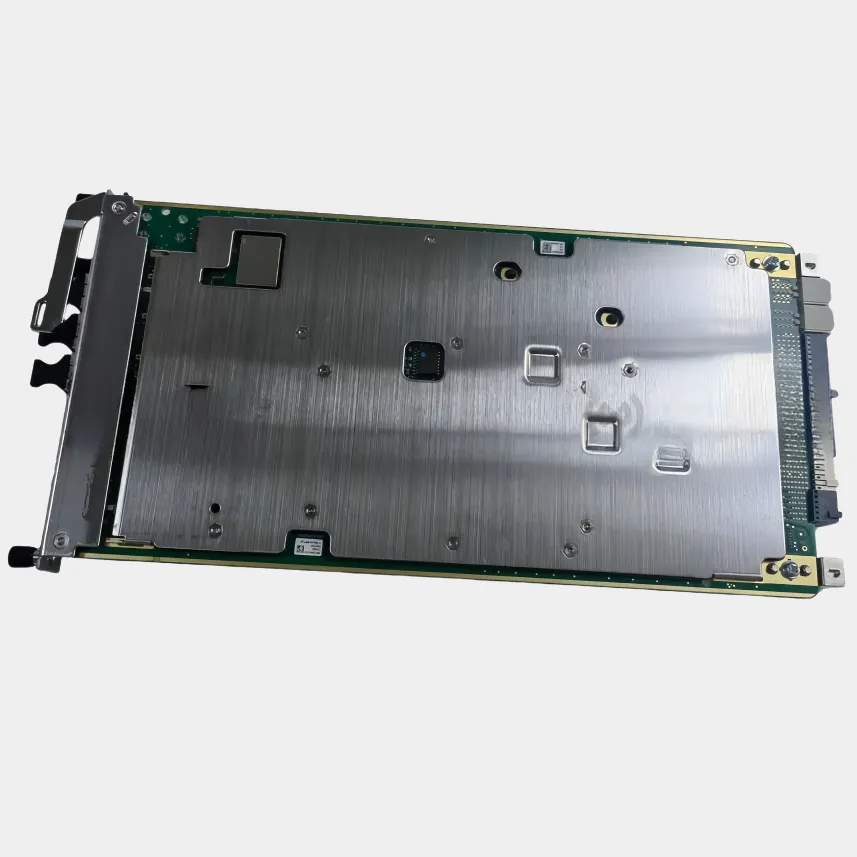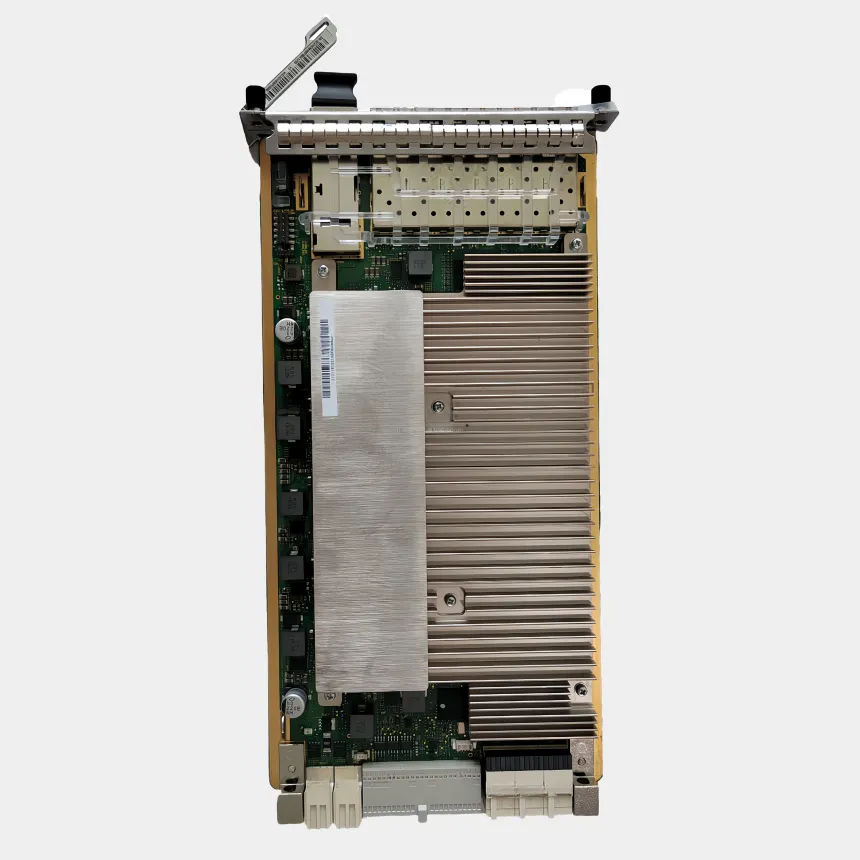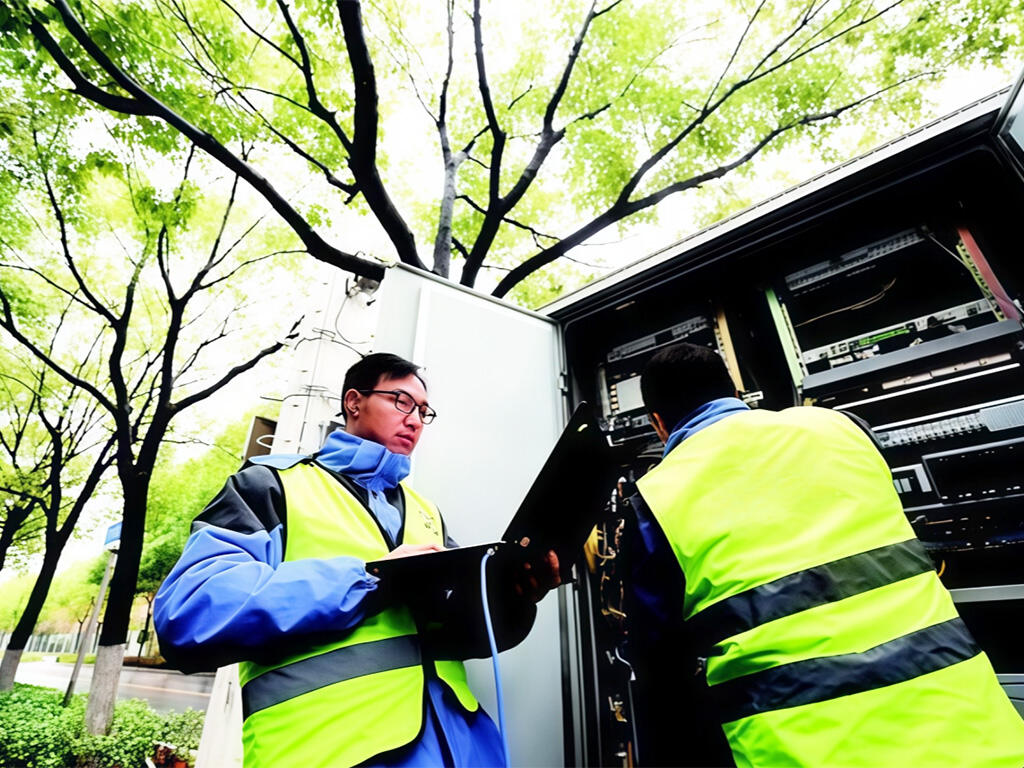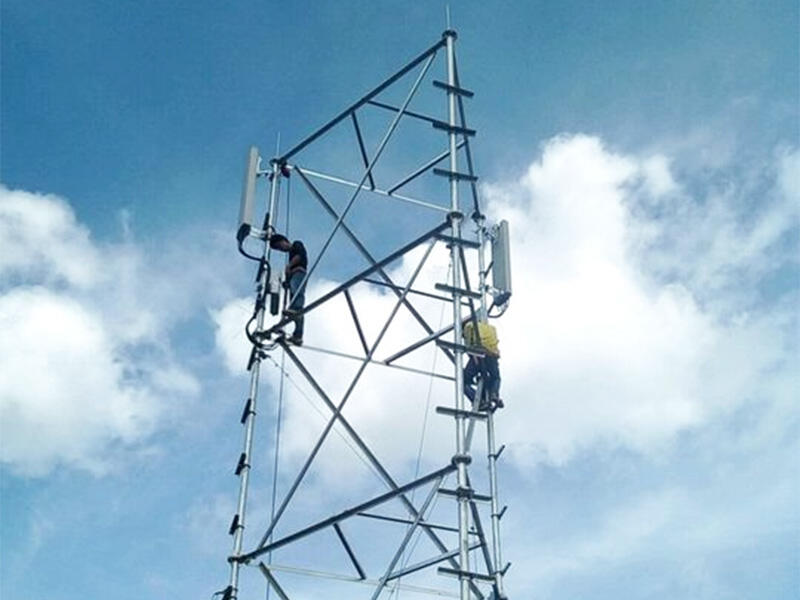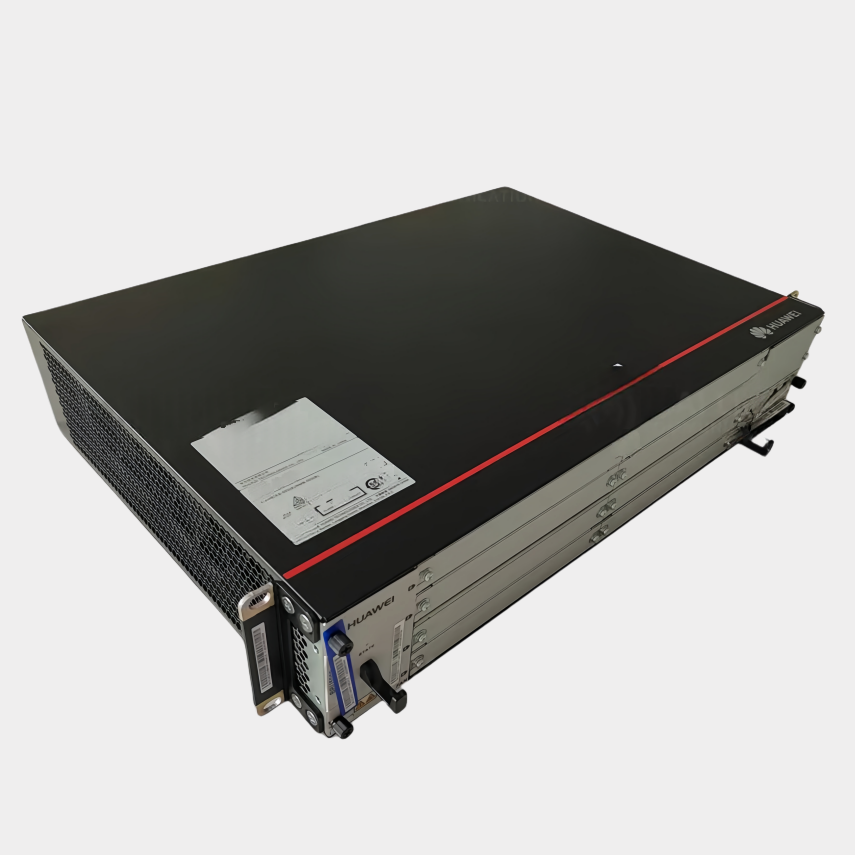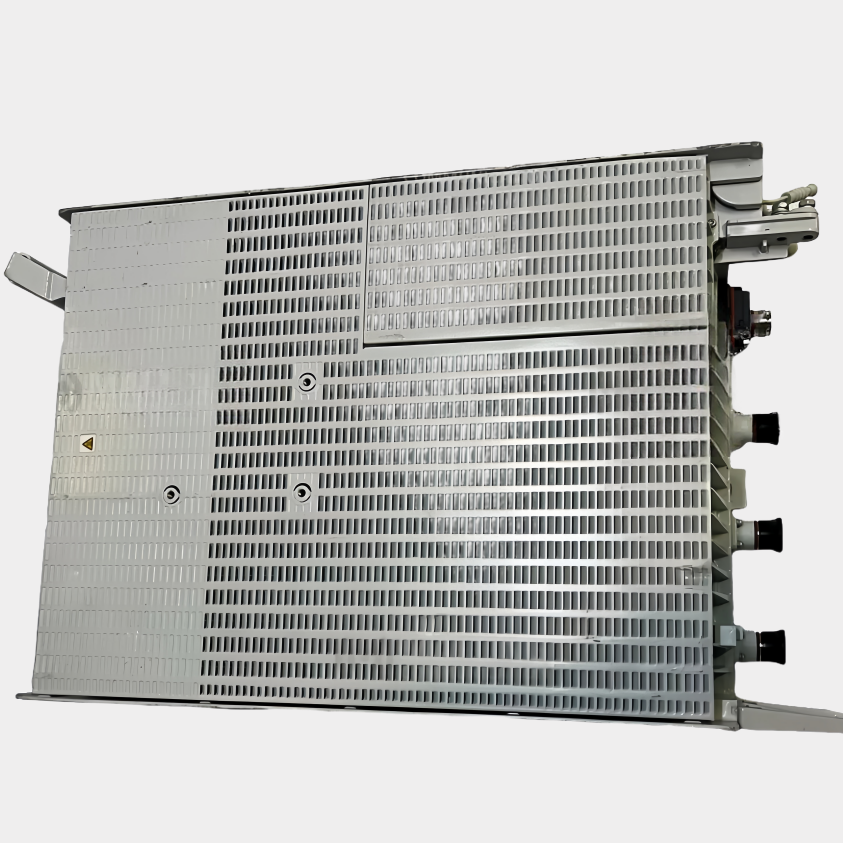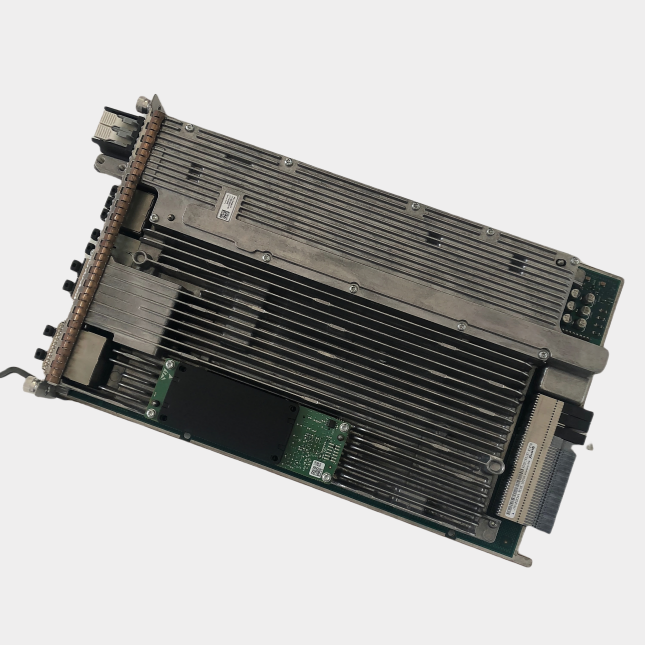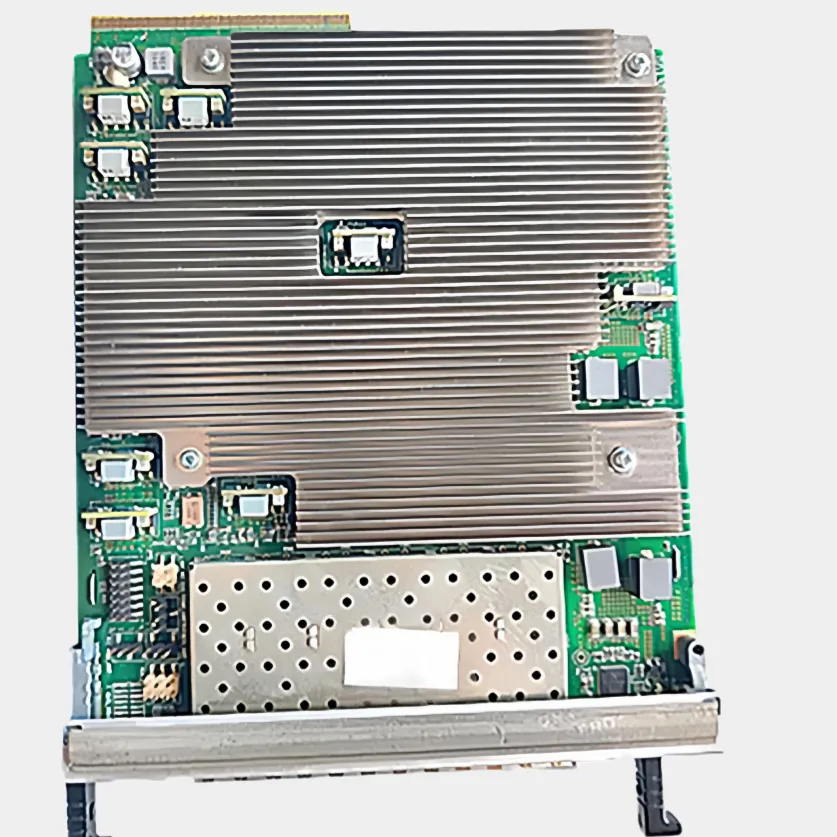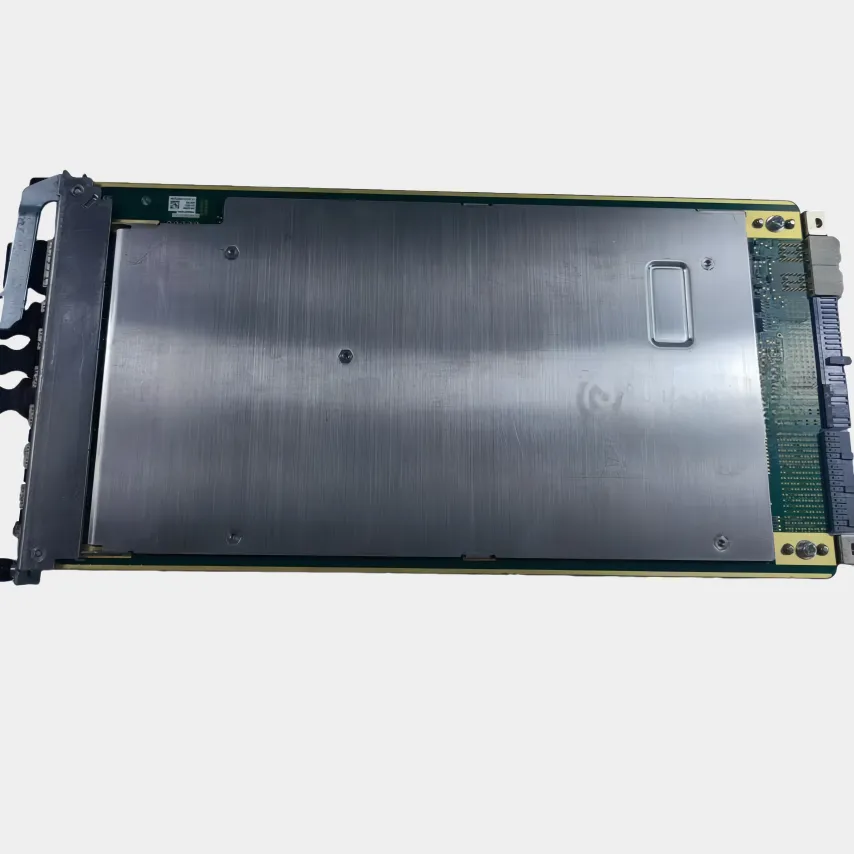
Baseband Unit Fundamental for Communication Signal Processing

Get a Free Quote

Our representative will contact you soon.
Email
Mobile/WhatsApp
Name
Company Name
Message
0/1000

Baseband Unit (BBU): Signal Processing Core in Networks

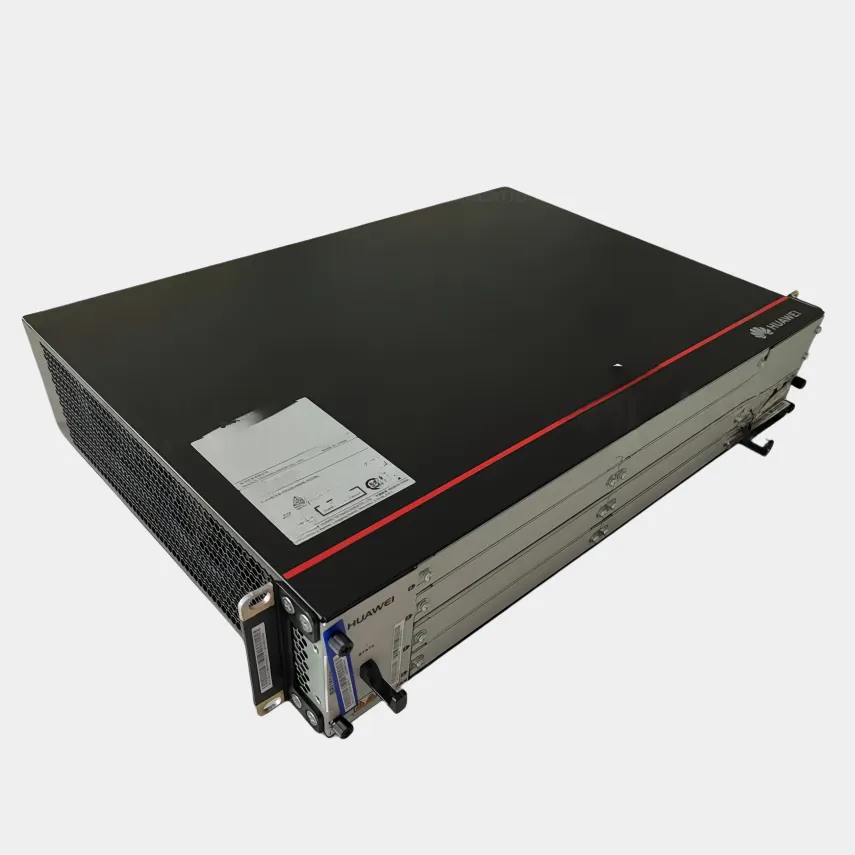
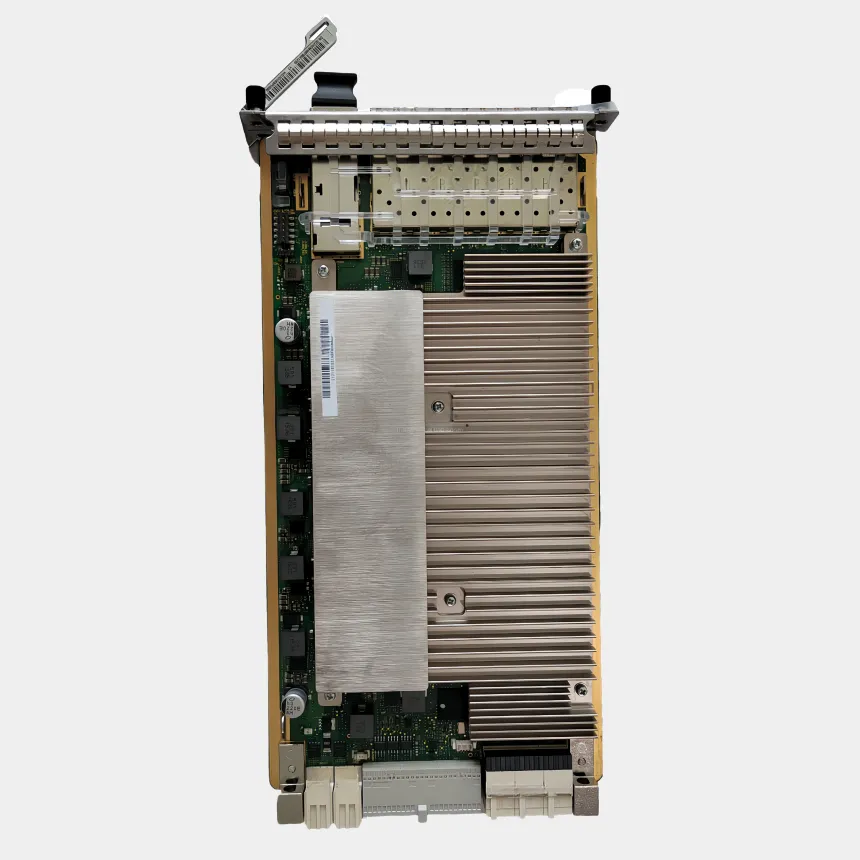
The Baseband Unit (BBU) serves as the core processing unit in base station systems, undertaking key tasks like signal processing and protocol management. It performs digital processing, encoding, and modulation on signals from radio frequency units, enabling communication with the core network and facilitating data transmission. Essential for both 4G and 5G base stations, its efficient signal processing ensures stable and high-speed communication network operations.
Get A Quote

Advantages of the product

Essential for Base Station Core Function

As a key component of the base station, the baseband unit is responsible for signal processing and protocol processing, which is crucial for the normal operation of the base station.

Related products

Baseband Unit (BBU) resource allocation refers to the dynamic or static distribution of processing capacity, memory, and radio interface resources within a BBU to optimize network performance, meet service level agreements (SLAs), and maximize resource utilization. In traditional BBUs, resources are often statically assigned to specific radio carriers or cells, leading to inefficiencies during traffic fluctuations underutilization during low traffic periods and congestion during peaks. Modern allocation strategies, however, leverage software defined and virtualized BBUs (vBBU) to enable dynamic resource sharing, where processing cores, memory blocks, and signal processing pipelines are reallocated in real time based on metrics like user count, data rate demands, and application type (e.g., prioritizing URLLC over eMBB). Key techniques include load balancing, which redistributes resources from overloaded cells to underutilized ones; QoS based allocation, which reserves resources for critical services (e.g., emergency calls, industrial IoT); and predictive allocation, using AI algorithms to forecast traffic spikes (e.g., sports events) and pre provision resources. Resource allocation must also account for fronthaul constraints ensuring allocated BBU capacity aligns with RRU (Remote Radio Unit) bandwidth and latency limits to avoid bottlenecks. In centralized BBU pools, allocation is further optimized across multiple sites, enabling cross cell resource sharing and interference coordination (e.g., coordinated multi point transmission). Challenges include minimizing reallocation latency (to avoid service disruptions) and balancing fairness (equal resource access across cells) with efficiency (maximizing throughput). Effective BBU resource allocation directly impacts network KPIs: reducing latency, increasing spectral efficiency, and lowering operational costs by minimizing idle resources, making it a critical component of modern 4G/5G network optimization.
Frequently Asked Questions

What is the function of the baseband unit?

The baseband unit undertakes key functions such as signal processing and protocol processing, processes signals from the radio frequency unit, and realizes communication with the core network.

Related Articles

Understanding Cold Shrink PVC Electrical Tape

19

Apr

Understanding Cold Shrink PVC Electrical Tape

View More
The Role of Baseband Station Boards in Telecom Networks

19

Apr

The Role of Baseband Station Boards in Telecom Networks

View More
Key Considerations When Buying Baseband Processing Units

19

Apr

Key Considerations When Buying Baseband Processing Units

View More
Tips for Maintaining Wireless Communication Equipment

19

Apr

Tips for Maintaining Wireless Communication Equipment

View More

Customer Reviews

Wyatt

Impressed by its ability to handle complex encoding/decoding tasks. Our 5G base stations operate smoothly even during peak traffic, thanks to its robust performance.

Get a Free Quote

Our representative will contact you soon.
Email
Mobile/WhatsApp
Name
Company Name
Message
0/1000
Low Latency Data Processing

Low Latency Data Processing

With low latency data processing capability, the baseband unit can meet the real-time requirements of applications such as video conferencing and online games.
Energy-efficient Design

Energy-efficient Design

Adopting an energy-efficient design, the baseband unit reduces power consumption while ensuring performance, which is beneficial to energy saving and cost reduction.
Easy Integration with Other Units

Easy Integration with Other Units

It can be easily integrated with other units such as RRU, forming a complete base station system and improving the overall efficiency of the network.