 ×
×
Optical transceiver brand performance comparison involves evaluating key metrics across leading manufacturers to determine which products best suit specific network requirements, considering factors like reliability, speed, power efficiency, and compatibility. Leading brands in the market include Cisco, Finisar (now part of II VI), Avago (Broadcom), Mellanox (NVIDIA), Huawei, and Sumitomo Electric, each with distinct strengths tailored to enterprise, data center, or telecom applications. A primary metric is transmission speed and protocol support. For example, Cisco’s 400G QSFP DD transceivers excel in enterprise networks requiring seamless integration with Cisco switches, offering robust support for Ethernet and Fibre Channel protocols. In contrast, Mellanox (NVIDIA) transceivers are optimized for high performance computing (HPC) and InfiniBand networks, delivering ultra low latency critical for AI and machine learning workloads. Finisar/II VI, a pioneer in VCSEL (Vertical Cavity Surface Emitting Laser) technology, dominates in short reach (up to 100m) 100G and 400G transceivers, ideal for data center interconnects (DCIs) with high density requirements. Reliability, measured by mean time between failures (MTBF), varies significantly: Sumitomo Electric’s transceivers often boast MTBF ratings exceeding 1.2 million hours, making them preferred for long haul telecom networks where downtime is costly. Huawei transceivers, designed for 5G infrastructure, offer enhanced temperature tolerance ( 40°C to 85°C), ensuring stability in outdoor base stations—a critical advantage in harsh environments. Power consumption is another differentiator. Broadcom’s 100G SFP+ transceivers typically operate at <3.5W, appealing to data centers prioritizing energy efficiency and thermal management. In contrast, high power transceivers from brands like Ciena may consume 5 7W but support extended reaches (80km+), suitable for metro and long haul networks where power is less constrained than reach. Compatibility is a key consideration, as some brands (e.g., Cisco, Huawei) enforce proprietary coding to restrict use with non OEM hardware, requiring "compatible" or "third party" transceivers from vendors like FS or Amphenol to ensure interoperability at lower costs. However, third party options may lack official support, posing risks for mission critical systems. Wavelength flexibility also varies: II VI offers tunable transceivers (C band, 40 channels) for dense wavelength division multiplexing (DWDM) in telecom, while Mellanox focuses on fixed wavelengths for point to point HPC links. Testing methodologies, such as BER (Bit Error Rate) performance under stress (temperature cycles, vibration), reveal brand specific robustness. For instance, Nokia’s transceivers often outperform in BER stability during voltage fluctuations, a plus for industrial networks. Cost structures differ, with OEM brands (Cisco, Huawei) commanding premium prices for warranty and support, while third party manufacturers offer budget friendly alternatives with comparable specs but shorter warranties. For enterprises, the trade off between upfront cost and long term support is critical—Cisco’s 5 year warranty may justify higher prices for networks requiring 24/7 support, while cost sensitive data centers may opt for FS transceivers with 3 year warranties. Ultimately, brand selection depends on application: telecom networks prioritize Sumitomo’s reach and Huawei’s 5G optimization; data centers favor II VI’s density and Broadcom’s efficiency; HPC relies on Mellanox’s latency; and enterprises lean toward Cisco’s compatibility and support.
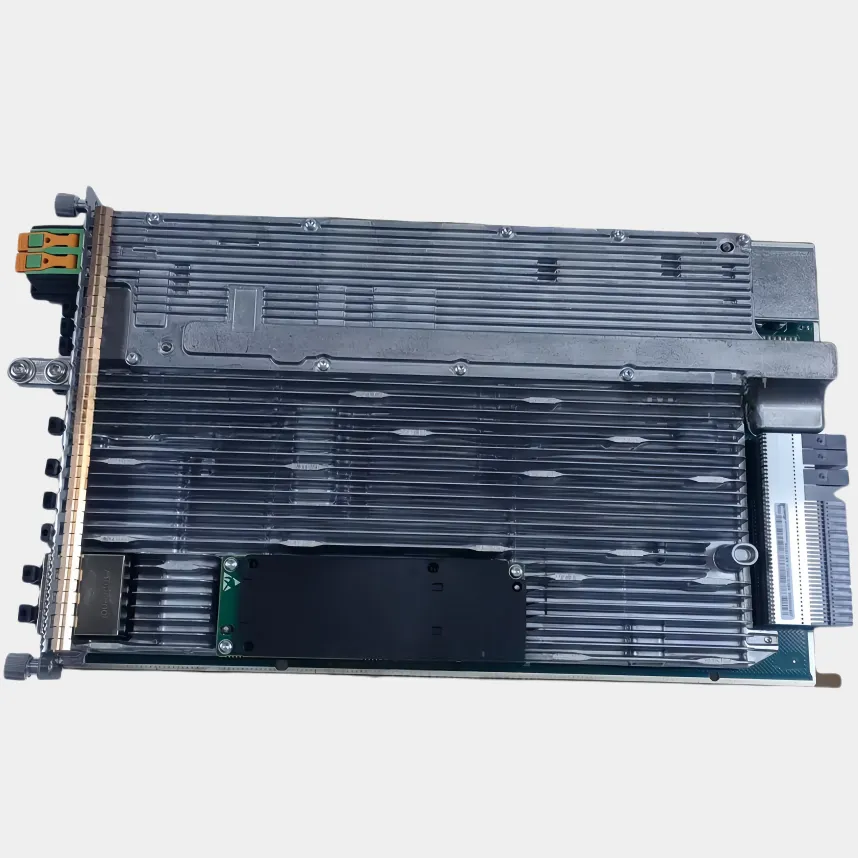
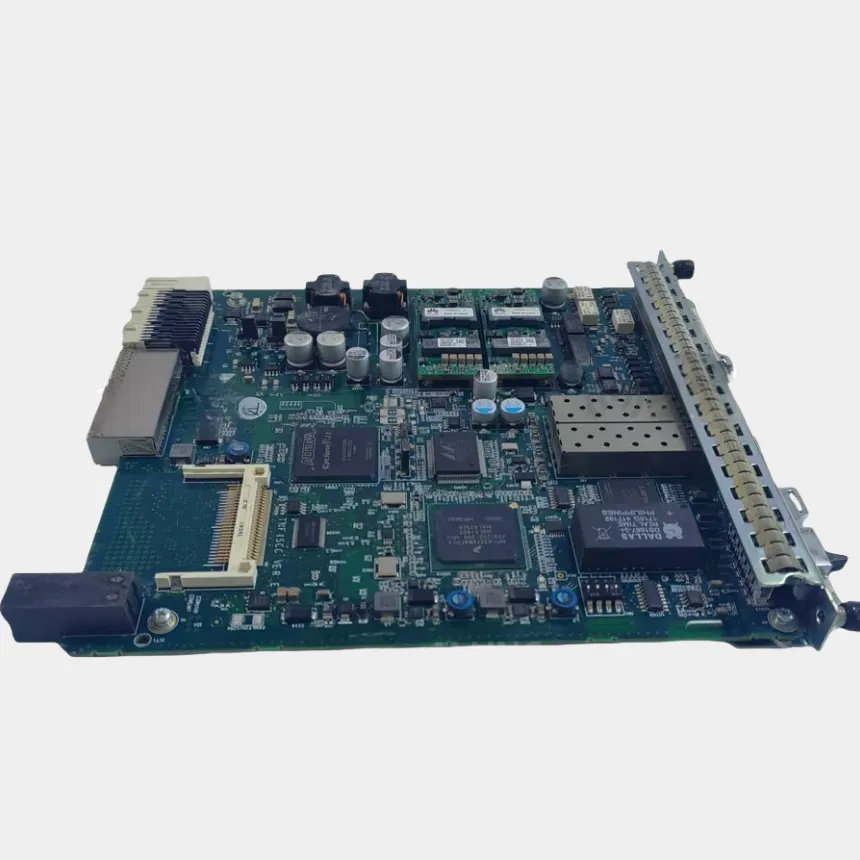
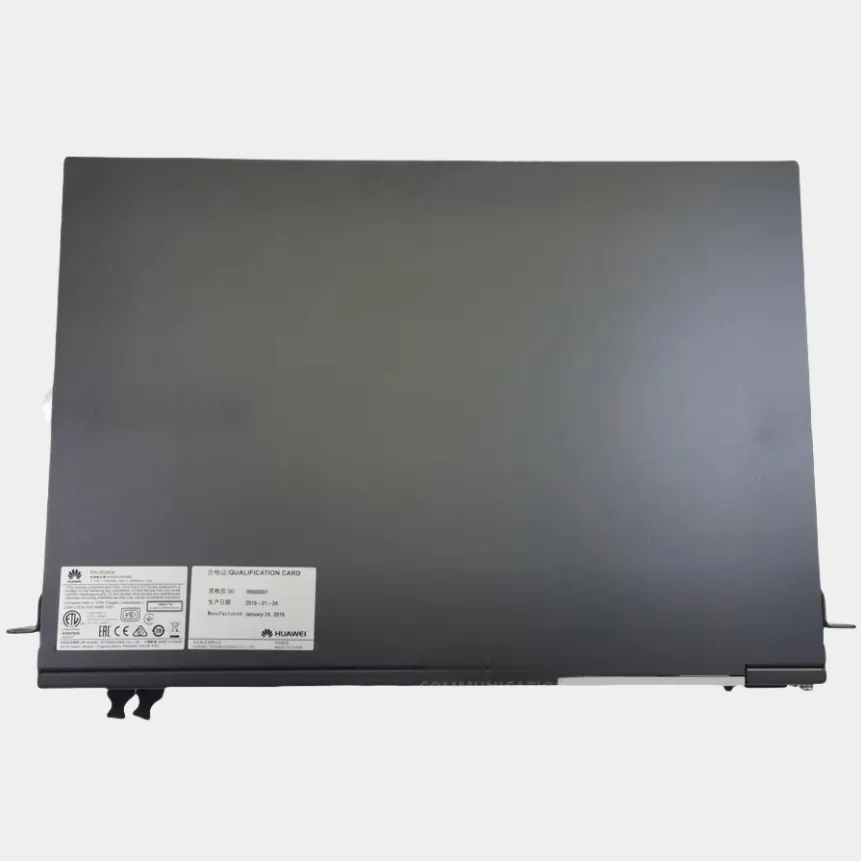
Hebei Mailing Communication Equipment Co., Ltd. offers high-quality RRU, BBU, and communication infrastructure solutions. Specializing in stable, high-strength equipment for global telecom, military, aerospace & industrial sectors. Trusted delivery worldwide.
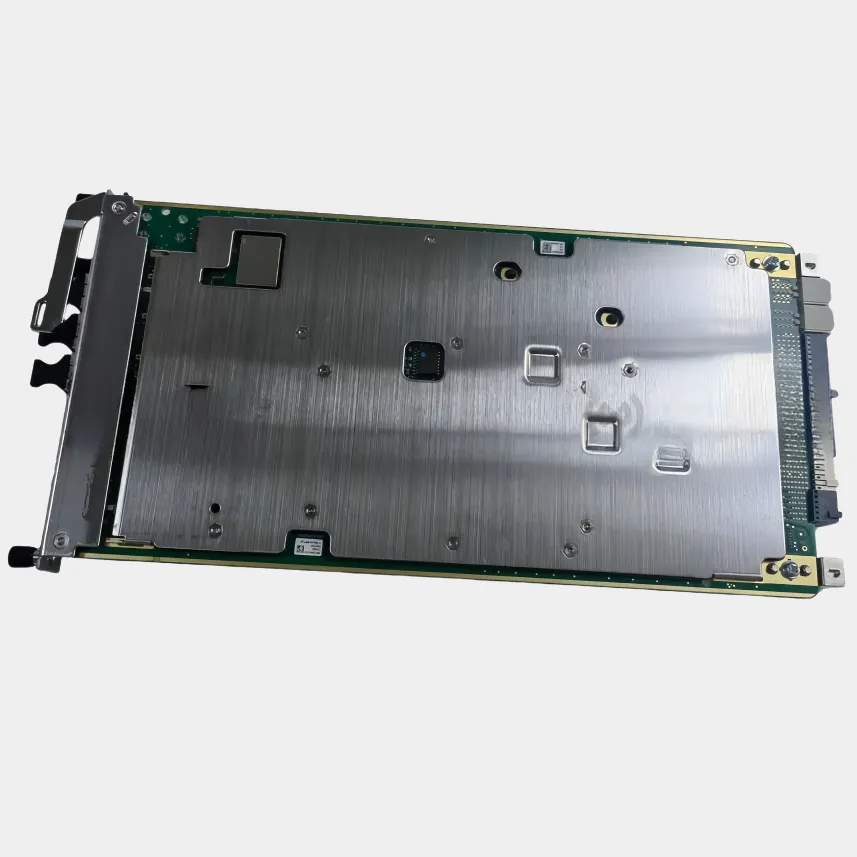
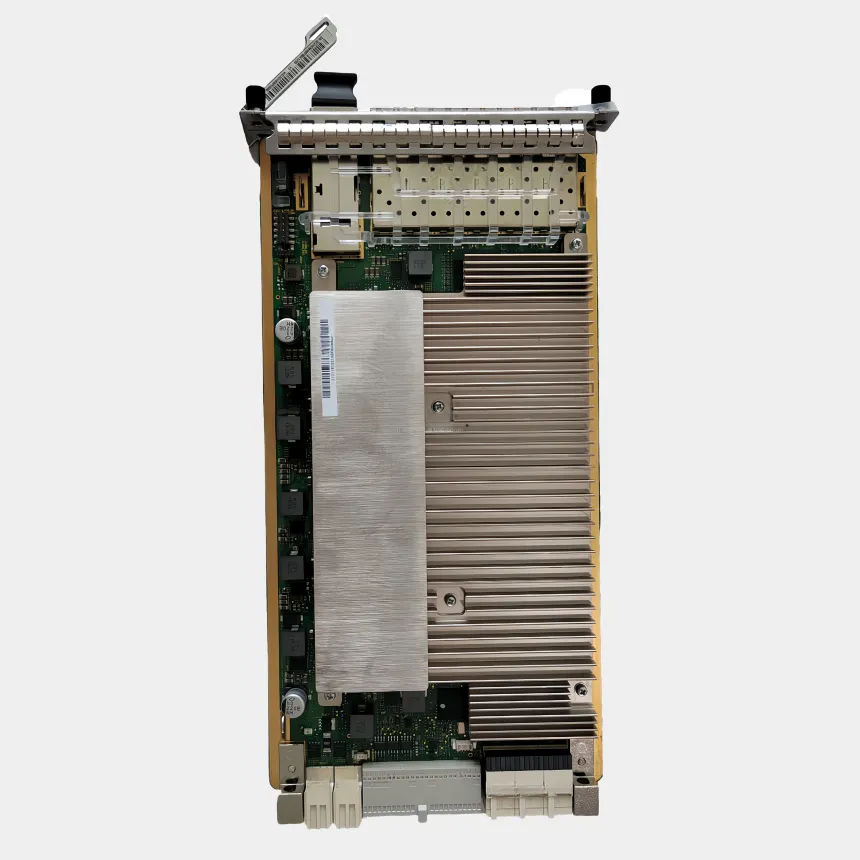


 EN
EN