 ×
×
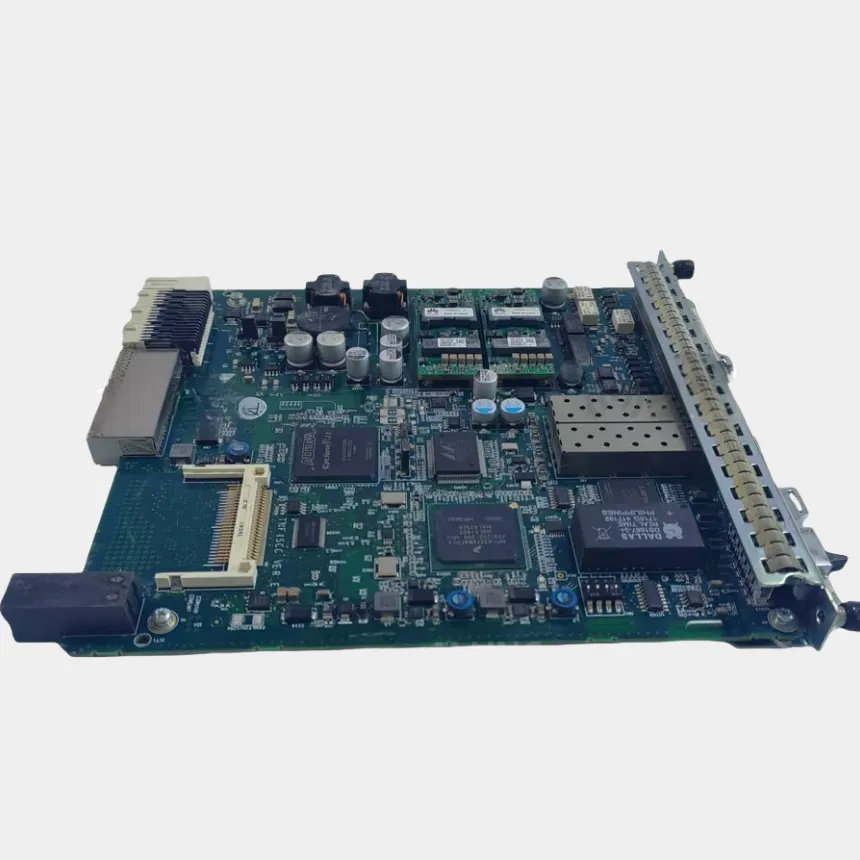
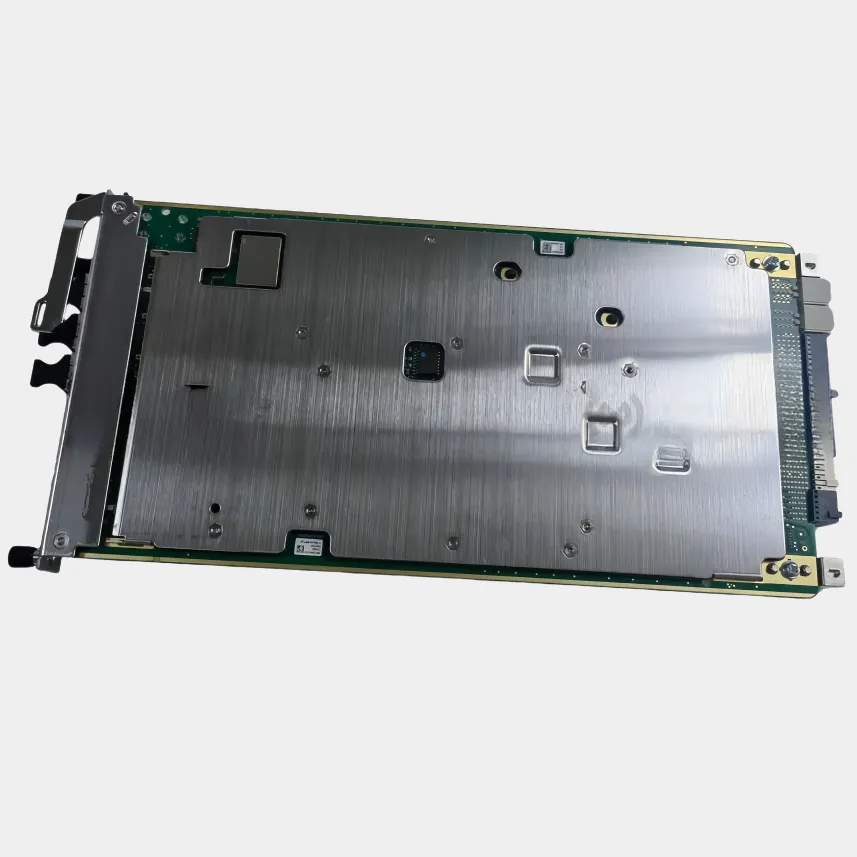
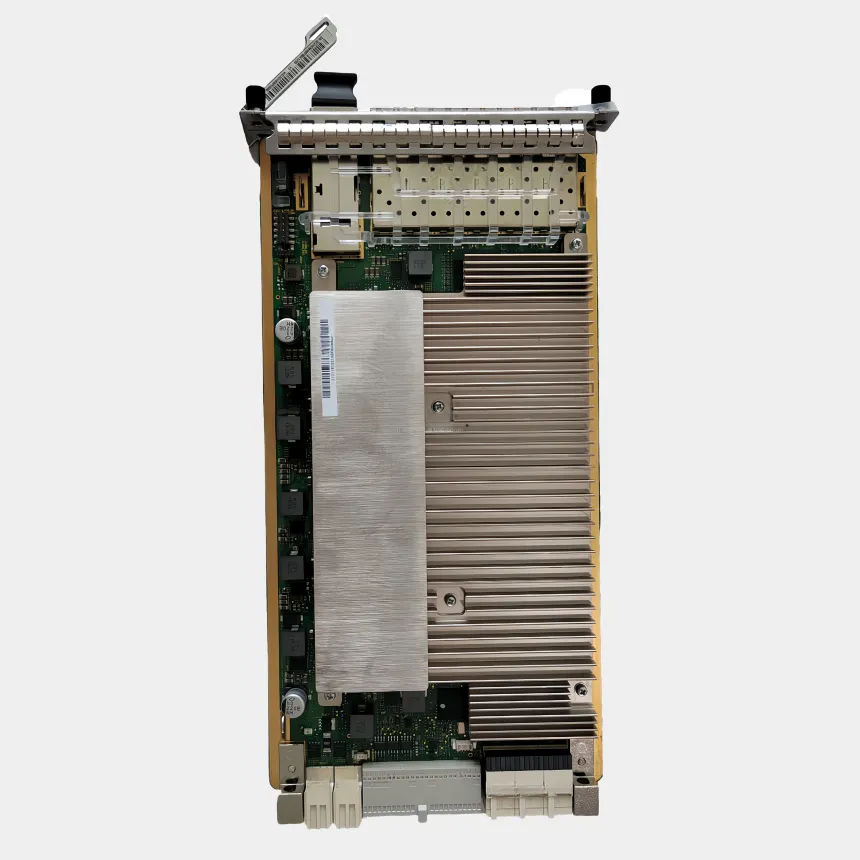
Optical transceiver solutions encompass a range of hardware and design strategies that enable the conversion of electrical signals to optical signals (and vice versa) for high speed data transmission over fiber optic networks. These solutions are tailored to diverse applications, from short reach data center interconnects (DCIs) to long haul telecom links, addressing needs for speed, distance, power efficiency, and network scalability. At the core of any optical transceiver solution is the transceiver module itself, available in form factors such as SFP (Small Form factor Pluggable), QSFP (Quad Small Form factor Pluggable), and CFP (C Form factor Pluggable), each optimized for specific data rates (10G, 40G, 100G, 400G, 800G) and transmission distances. For example, SFP+ modules dominate 10G short reach (up to 10km) applications in enterprise networks, while QSFP DD (Double Density) modules support 400G and 800G for high density data center links. A key component of these solutions is the choice of optical technology: VCSEL (Vertical Cavity Surface Emitting Laser) diodes are preferred for short reach (≤100m) multimode fiber (MMF) applications due to their low cost and energy efficiency, making them ideal for intra data center connections. For longer reaches (≥1km) over single mode fiber (SMF), edge emitting lasers (EELs) or distributed feedback (DFB) lasers are used, offering higher power and narrower wavelength tolerance. Coherent optical transceivers, leveraging advanced modulation techniques like QPSK (Quadrature Phase Shift Keying) and 16 QAM (Quadrature Amplitude Modulation), enable terabit scale transmission over thousands of kilometers in long haul telecom networks, maximizing fiber bandwidth through dense wavelength division multiplexing (DWDM). Power efficiency is a critical design consideration, with modern solutions (e.g., 400G ZR transceivers) operating at <8W to minimize heat generation in high density racks—a necessity for data centers aiming to reduce cooling costs. Thermal management, including integrated heat sinks and adaptive power control, ensures stable performance across operating temperatures ( 5°C to 70°C for data center modules, 40°C to 85°C for outdoor telecom units). Compatibility with network protocols is another pillar: solutions must support Ethernet, Fibre Channel, InfiniBand, and OTN (Optical Transport Network) standards to integrate with existing infrastructure. For example, 100G transceivers for enterprise networks often include multispeed support (10G/25G/100G) to facilitate migration from legacy systems. Scalability is addressed through pluggable designs, allowing network operators to upgrade data rates without replacing entire systems—for instance, swapping 100G QSFP28 modules with 400G QSFP DD modules in compatible switches. Emerging solutions, such as co packaged optics (CPO), integrate transceivers directly with switch ASICs (Application Specific Integrated Circuits) to reduce latency and power consumption, targeting next gen 800G and 1.6T networks. Reliability is ensured through features like digital diagnostics monitoring (DDM), which provides real time data on temperature, voltage, and laser power, enabling predictive maintenance. Compliance with standards (e.g., IEEE 802.3 for Ethernet, ITU T G.652 for fiber) ensures interoperability across vendor ecosystems. Whether deployed in cloud data centers, 5G base stations, or submarine cables, optical transceiver solutions are the backbone of modern high speed communication, enabling the seamless flow of data that underpins digital transformation.
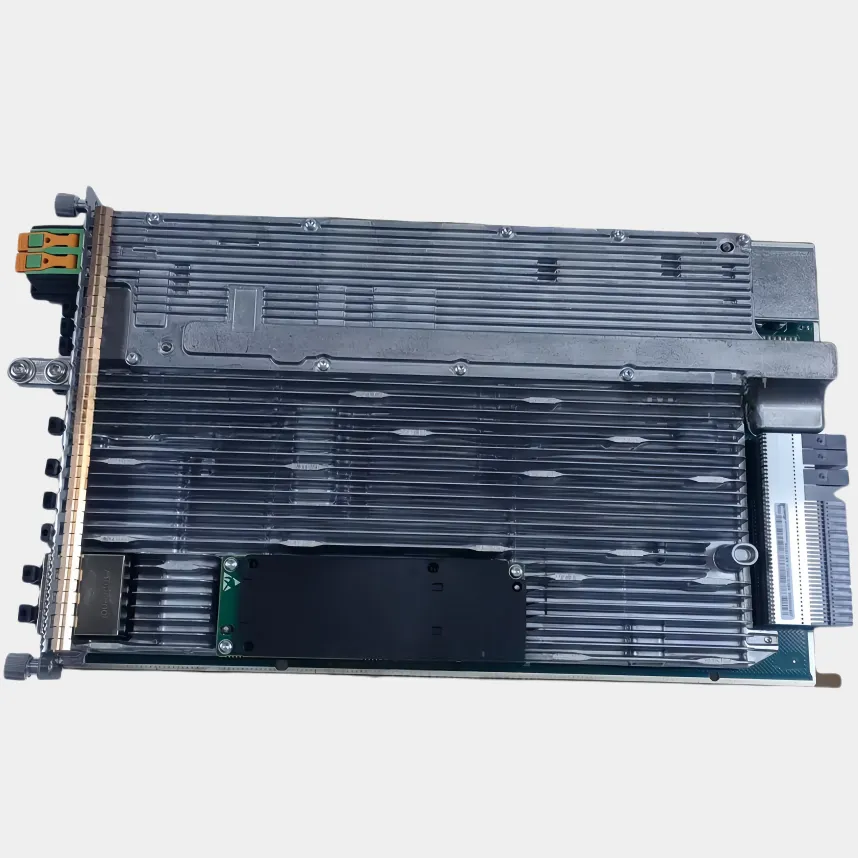
Hebei Mailing Communication Equipment Co., Ltd. offers high-quality RRU, BBU, and communication infrastructure solutions. Specializing in stable, high-strength equipment for global telecom, military, aerospace & industrial sectors. Trusted delivery worldwide.



 EN
EN