EN
EN



BBU’s Core Role in BTS Architecture and Functional Integration
Baseband Processing Orchestration: How the BBU Manages Modulation, Coding, and Resource Allocation
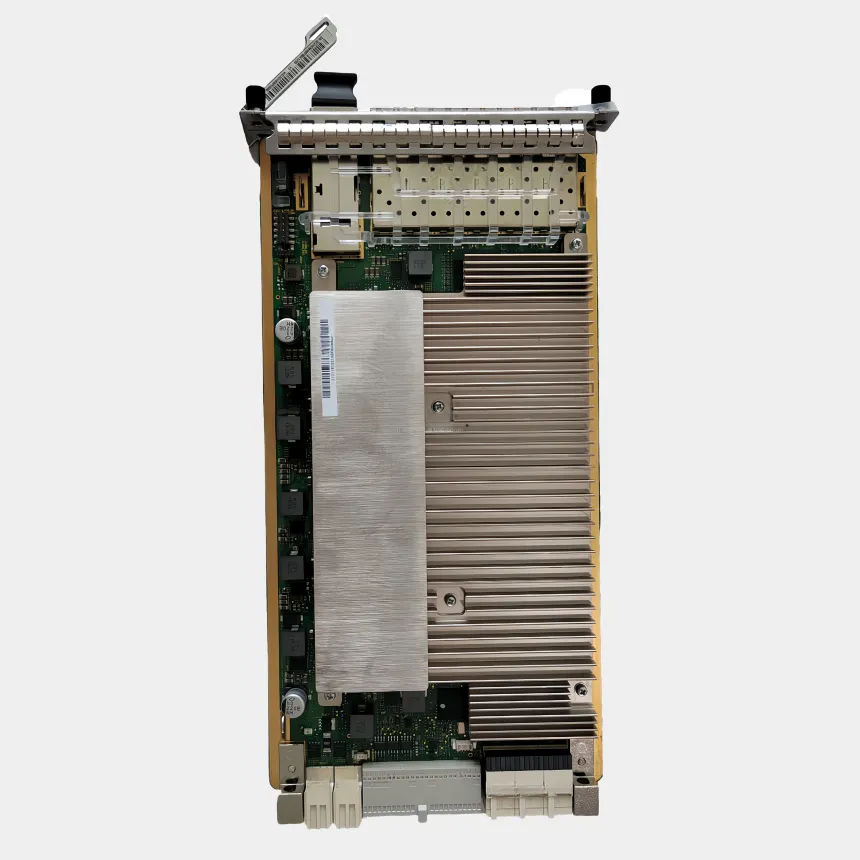
At the heart of Base Transceiver Station (BTS) architecture lies the Baseband Unit (BBU), which manages all the essential digital signal processing work. Think about things like modulation techniques, channel coding methods, and how resources get allocated dynamically across different channels. When sending out signals, this unit takes raw data streams and turns them into modulated symbols through various schemes such as Quadrature Amplitude Modulation (QAM). It also adds forward error correction codes to protect against data corruption during transmission. The real magic happens when these real time resource allocation algorithms kick in, spreading available bandwidth among multiple users so nobody gets stuck waiting too long for their data to come through while still making sure we're getting maximum use out of our spectrum space. On the receiving end, the BBU does all the necessary demodulation and decoding work. And here's where having strong processing capabilities really matters because it affects everything from how fast information travels (latency) to overall data transfer rates (throughput) and whether systems can adapt properly when signal quality changes unexpectedly.
Architectural Coupling with RF Units: Signal Flow from Baseband to RF in Integrated BTS Deployments
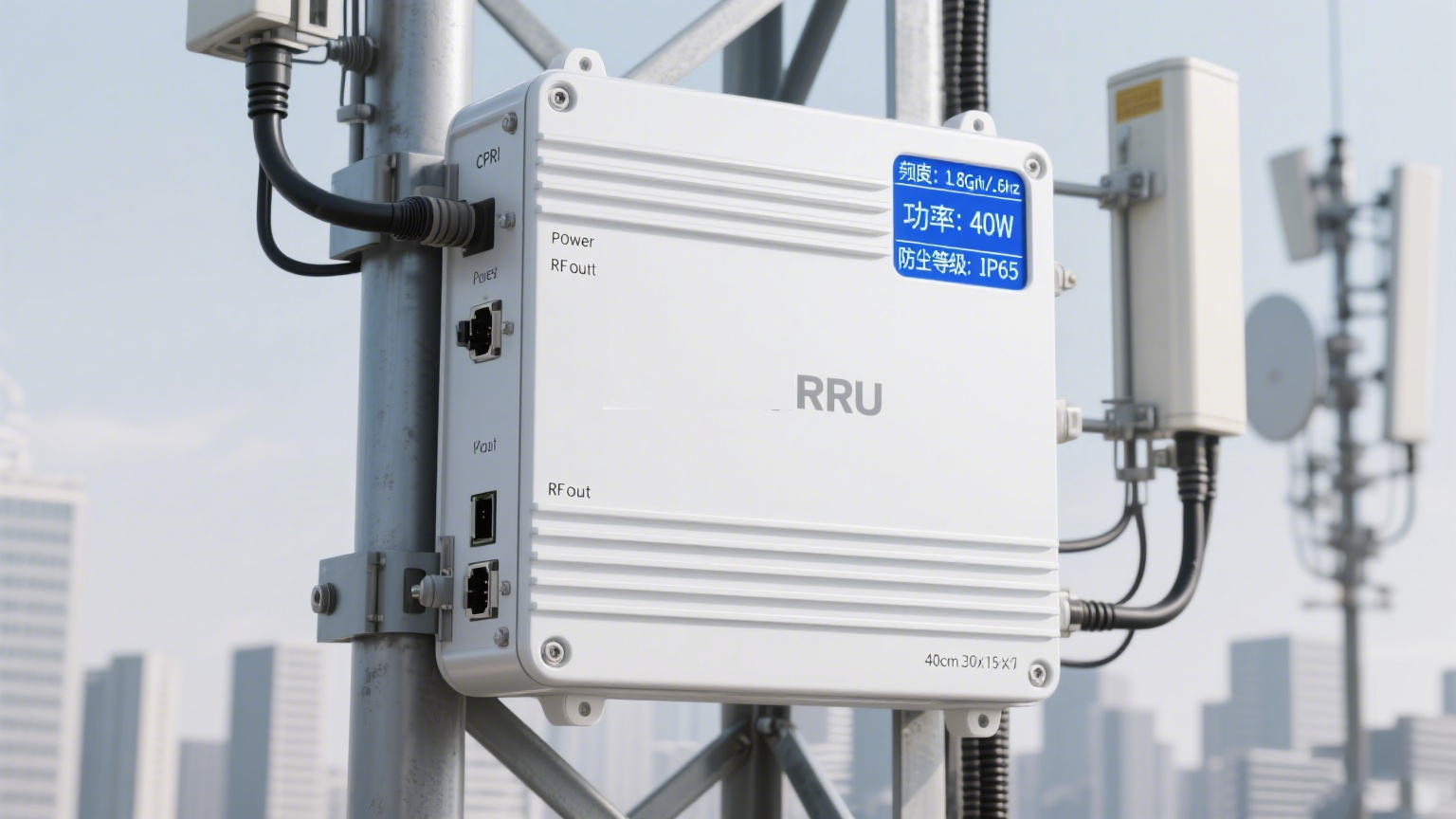
Base Band Units (BBUs) work closely together with Remote Radio Units (RRUs) through standard fiber connections, typically using either CPRI or eCPRI protocols. The processed baseband signals move as digital data from the BBU to the RRU while keeping their quality intact during transmission. When these signals reach the RRU, they get converted from digital format to analog before being amplified for radio frequency transmission through antennas. Going the other way around, when antennas pick up RF signals, they first get turned into digital form at the RRU location and then transmitted back to the BBU where all the decoding happens. This two-way communication path with minimal delay allows for accurate timing between different components. Such synchronization is really important for things like coordinated beamforming techniques and implementing massive MIMO systems in networks spread out over multiple Base Transceiver Stations (BTS).
Standardized Interfaces Enabling BBU–BTS Interoperability
CPRI vs eCPRI: Latency, Bandwidth, and Compatibility Implications for BBU–RU Communication
The CPRI protocol offers incredibly low latency below 100 microseconds which is absolutely essential for those time sensitive physical layer operations. But there's a catch it needs massive amounts of fronthaul bandwidth around 24.3 gigabits per second per antenna carrier. This creates serious scalability problems when trying to deploy in densely packed 5G networks. On the flip side, eCPRI takes a different approach using packet based Ethernet technology along with functional splits such as Split-7.2. These changes cut down bandwidth needs by approximately 60 percent while still allowing partial virtualization of the baseband unit without losing that crucial sub millisecond response time needed for important functions. There's one thing though when operators mix CPRI and eCPRI systems together, they need to make sure all the radio unit firmware is compatible. Otherwise we end up with configuration mismatches that can lead to communication breakdowns and degraded services across the network.
3GPP and O-RAN Specifications: Ensuring Multi-Vendor BBU Compatibility Across BTS Ecosystems
Release 15 of 3GPP set some basic standards for how equipment works together, including things like lower layer splits (think Option 2) and timing sync that can vary by plus or minus 1.5 microseconds. This helps make sure baseband units behave consistently no matter who made them. Then along comes the O-RAN ALLIANCE with their own approach, creating open interfaces that don't favor any particular company. Their Fronthaul spec is a good example, basically separating hardware from software so baseband units from different makers can work smoothly with radio units in whatever BTS setup makes sense. Looking at industry numbers from 2023 shows most operators are on board with these O-RAN solutions now, around 7 out of 10 globally. The main reason? They want to avoid getting stuck with one vendor's equipment forever. This shift has also sped up testing between different vendors and cut down on certification time for new products.
Functional Splits and RAN Evolution: How BBU Responsibilities Shift Across D-RAN, C-RAN, and O-RAN
FH-7.2, FH-8, and Other Splits: Impact on BBU Interface Requirements and BTS Integration Flexibility
Functional splits—standardized by the O-RAN Alliance—redefine where PHY-layer processing occurs, shifting responsibilities between radio units (RUs), distributed units (DUs), and centralized units (CUs). These shifts directly shape BBU interface design and BTS deployment flexibility:
- FH-7.2 moves partial PHY functions (e.g., IQ compression, FFT/IFFT) to the RU, reducing fronthaul bandwidth needs by ~40% and easing cloud-RAN adoption.
- FH-8, which retains full PHY processing at the DU, imposes stricter latency constraints (<250 µs) but supports advanced features like massive MIMO densification.
Consequently:
| Split Type | Key BBU Impact | BTS Flexibility |
|---|---|---|
| FH-7.2 | Reduced bandwidth pressure | Enables scalable cloud-RAN deployments |
| FH-8 | Low-latency processing requirements | Supports high-precision, dense MIMO configurations |
Each split mandates distinct hardware synchronization mechanisms and protocol support—but collectively, they eliminate vendor-specific constraints and accelerate 5G network scalability.
Key BBU Capabilities That Directly Enable BTS Compatibility
A Baseband Unit’s (BBU) compatibility with Base Transceiver Stations (BTS) hinges on five foundational capabilities that ensure seamless integration across modern RAN architectures:
- Scalability: Dynamic allocation of processing resources to accommodate traffic surges and network expansion—without hardware upgrades—meeting evolving 5G capacity demands.
- High Processing Power: Sustained throughput up to 100 Gbps for real-time modulation, coding, and scheduling—critical for low-latency, high-fidelity signal processing.
- Protocol Flexibility: Native support for CPRI, eCPRI, and O-RAN fronthaul standards through software-defined interfaces, enabling interoperability across heterogeneous BTS ecosystems.
- Virtualization Support: Hardware-agnostic design compliant with cloud-RAN principles, supporting containerized workloads and infrastructure-as-a-service models projected to cover 40% of networks by 2025.
- Security Compliance: Built-in encryption, mutual authentication, and key management aligned with 3GPP security frameworks (e.g., TS 33.501), ensuring end-to-end trust in open RAN environments.
Together, these capabilities dismantle proprietary barriers and deliver consistent, reliable signal processing across distributed, centralized, and hybrid RAN deployments.