EN
EN



Understand BTS Power Module Requirements in 5G Networks
Why Base Transceiver Station Workloads Demand Dynamic Power Efficiency
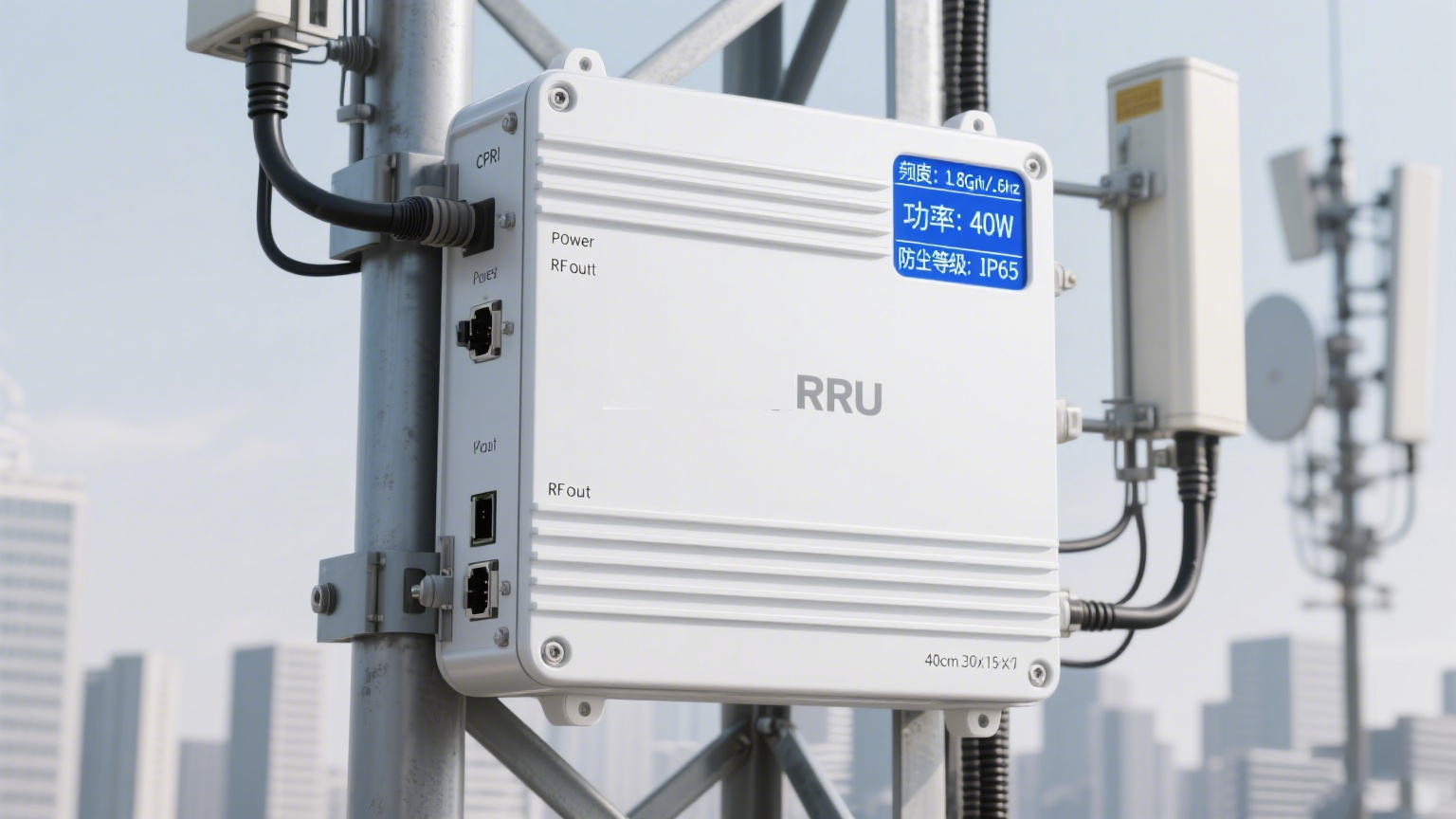
The workload on 5G base stations varies quite a bit actually ranging from around 300 watts when they're just sitting there doing nothing to sometimes over 1500 watts during busy times. This has a direct effect on how much it costs to run these stations and what kind of environmental impact they make. Older network setups spread out their power needs differently compared to 5G technology which relies heavily on millimeter wave signals and those big antenna arrays called Massive MIMO. These newer technologies pack most of the power consumption into specific parts known as radio frequency units or AAUs for short, and these components eat up well over half the electricity used at each site location. When these power supplies aren't working at full capacity, they tend to waste a lot of energy too maybe as much as 40% gets lost when things aren't running optimally. That's why today's power modules need to adjust their efficiency levels based on current conditions through some sort of live monitoring system. They should cut back on energy usage during those quiet periods but still be ready to kick into high gear whenever there's an unexpected surge in demand for network capacity.
Thermal Constraints and Reliability: How Junction Temperature Impacts Power Module Lifespan
The junction temperature plays a major role in determining how long power modules last. For semiconductors, each increase of 10 degrees Celsius beyond 100 degrees cuts their life expectancy in half. Compact 5G base stations pose particular challenges for GaN and SiC components because they generate significant thermal stress. High frequency signal processing combined with inefficient voltage conversion creates problems, especially when passive cooling methods reach their limits. This situation speeds up electromigration issues and causes materials to wear out faster. According to field data, power modules running hotter than 125 degrees Celsius see about 35 percent more failures per year compared to ones kept within safe temperature ranges. When companies implement smart thermal management strategies like better heat sink designs and forced air cooling systems, they typically reduce hotspot temperatures around 22 degrees on average. These improvements not only protect components but also cut down cooling energy requirements by approximately 18% each year. Finding this right balance between performance and temperature control remains critical if we want these systems to operate reliably over extended periods without excessive maintenance costs.
Evaluate Power Module Efficiency Across Real-World BTS Operating States
Measuring Dynamic Power Profiles: Idle, Partial Load, and Peak Load Using 3GPP TR 36.814 Benchmarks
To really know if a power module works well, we need to test it through three main BTS operating states recognized by the industry: when it's just sitting there doing nothing (idle), running at medium levels between 40 to 70% capacity (partial load), and maxed out at full 100% user capacity (peak load). There's this thing called the 3GPP TR 36.814 standard that gives us good benchmarks for creating realistic 5G traffic scenarios. And guess what? Energy consumption differences between these modes can jump over 60%, which is pretty significant. When the system is idle, efficient modules keep those essential control functions going but don't pull too much current, so they cut down on wasted energy at rest. Testing under partial loads shows us how well the voltage regulation deals with those little power spikes without causing too many switching losses. At peak loads, we look for problems like thermal throttling and conversion issues because bad designs might end up wasting over 300 watts every hour just sitting there. Special Hardware-in-the-Loop simulations help check stability when things change suddenly, stopping voltage overshoots that mess up radio performance. Going through all these different states makes sure the modules work efficiently in real world networks, something that directly affects operational costs and keeps equipment from overheating.
Assess Hardware-Level Power Management Features in BTS Power Modules
Modern base transceiver station power modules integrate purpose-built hardware features to meet 5G’s dynamic power demands—balancing responsiveness, efficiency, and thermal resilience.
Sleep Mode Performance: Latency vs. Energy Savings in GaN-Based Power Modules
The Gallium Nitride technology allows fast switching between active and low power sleep states, which helps cut down on wasted energy when base transceiver stations aren't actively transmitting signals. There's a catch though. When systems go into deep sleep mode they can save around 70% energy, but then take about 5 to 8 milliseconds to wake back up again. On the flip side, keeping things in light sleep maintains almost instant response times below one millisecond, but doesn't save as much power. All these constant switches between states actually raise component temperatures because of all the heating and cooling cycles, which isn't great for long term reliability either. Network operators need to decide how to set these sleep parameters based on what matters most for their particular situation. Some might want super quick responses for those mission critical ultra reliable low latency communication services, while others running big coverage area towers probably care more about maximum possible energy savings even if it means slightly slower startup times.
Adaptive Voltage Scaling and Power Discount Techniques for Up to 22% Peak Reduction
Dynamic Voltage-Frequency Scaling, or DVFS for short, works by constantly adjusting how much power gets sent to processors based on what they're actually doing at any given moment. This system looks ahead at workloads too, so it knows when there will be quiet periods in data traffic and can safely lower voltage levels then, saving around 12 to 18 percent of energy overall. Pairing this with something called power discounting makes things even better. Power discounting involves making tiny drops in voltage lasting just microseconds during those brief moments when the processor isn't busy. This combination cuts peak power usage down by as much as 22 percent in some cases. For cities packed with servers and equipment, these kinds of built-in efficiency measures matter a lot. Traditional cooling solutions just don't cut it anymore in many situations because they either take up too much space or simply cost too much money to install properly.
Compare Energy-Saving Strategies at the Module Level for Sustainable BTS Deployment
Breaking down energy saving approaches into modular components makes base transceiver stations much greener overall. When engineers separate out things like DC-DC converters, digital controllers, and thermal management units, they get the chance to fine tune each part individually something that just isn't possible with traditional all-in-one systems. Take tiered power management for instance. Local sub controllers handle efficiency at the module level through techniques such as adjusting when modules go to sleep automatically. At the same time, there's a main controller that looks after how power gets balanced across the whole system. According to some field tests from GSMA in 2023, this setup cuts down on wasted energy during idle periods by around 19%. Keeping each power module thermally isolated stops heat from spreading throughout the equipment too. This means we need less aggressive cooling solutions, which brings down cooling costs by about 30%. The ability to scale components separately is another big plus for long term planning. Network operators don't have to replace entire systems when certain parts start struggling under heavy loads. They can just swap out those problematic areas like peak load converters instead. Over ten years, this saves between 8 and 12 tons of electronic waste per location. All these improvements mean longer lasting hardware, lower carbon footprints, and better preparedness for whatever new power demands come along with advancing 5G technology.