EN
EN



The Role of Radio Equipment in BTS Signal Transmission and Network Reliability
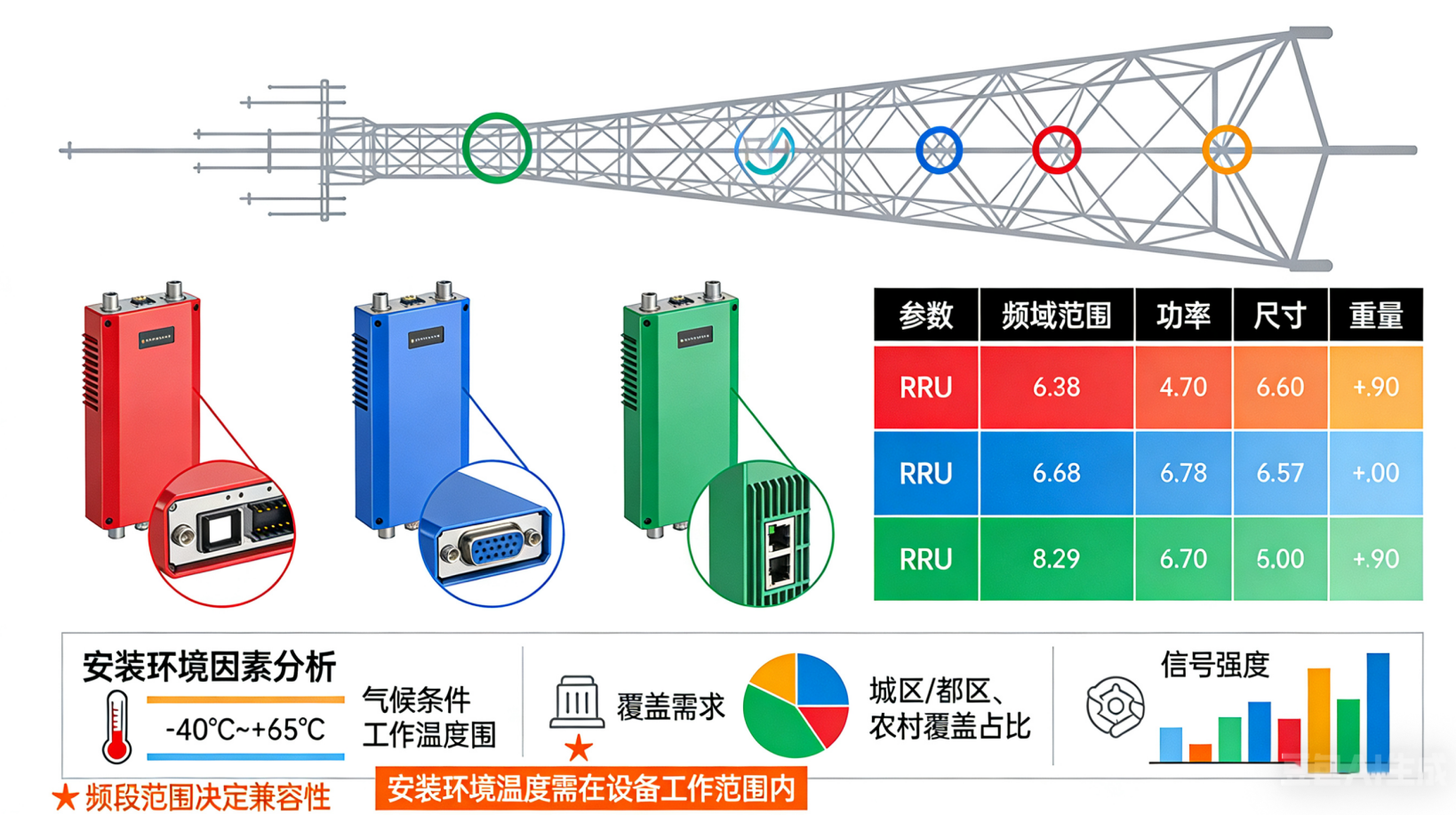
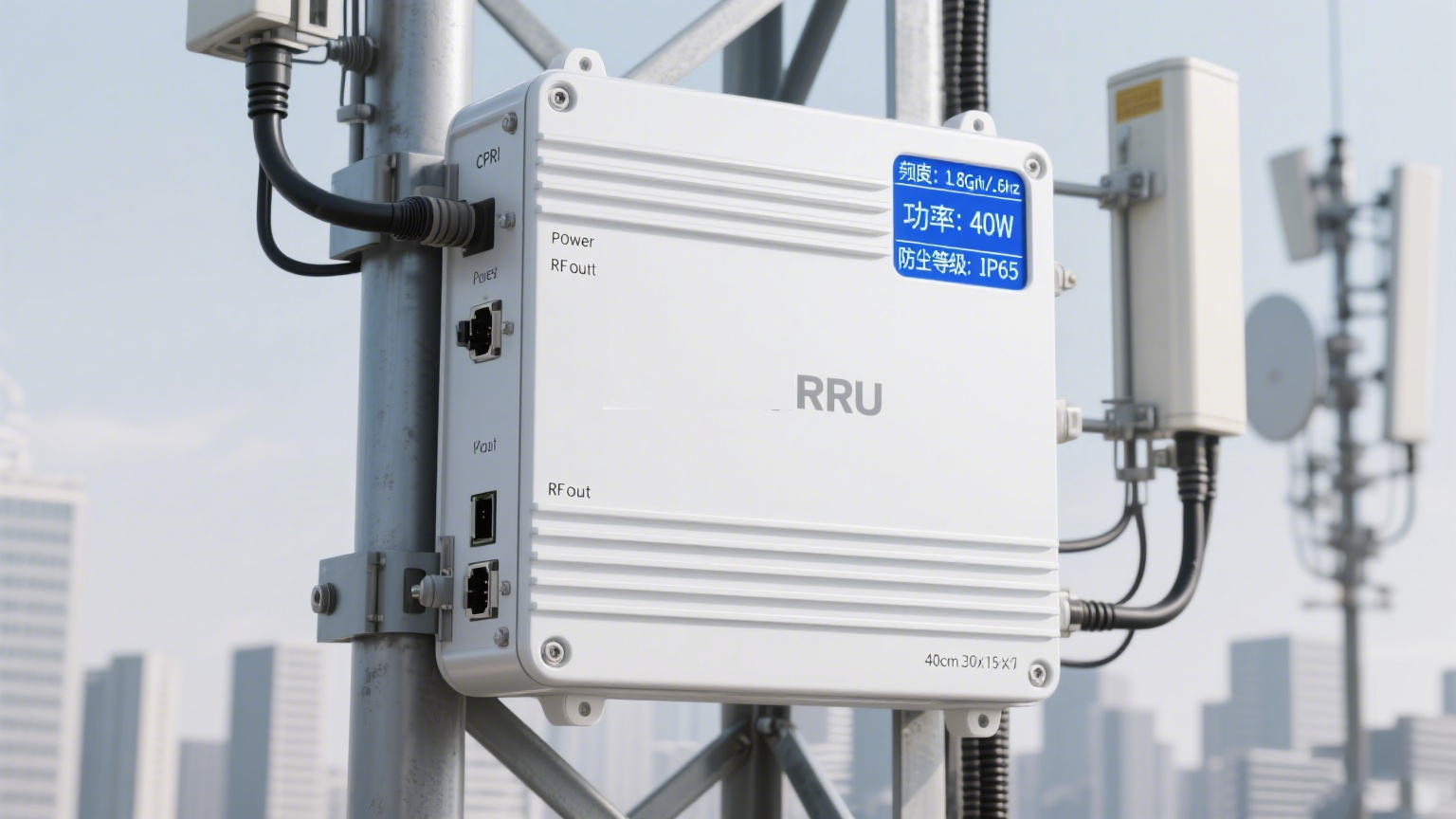
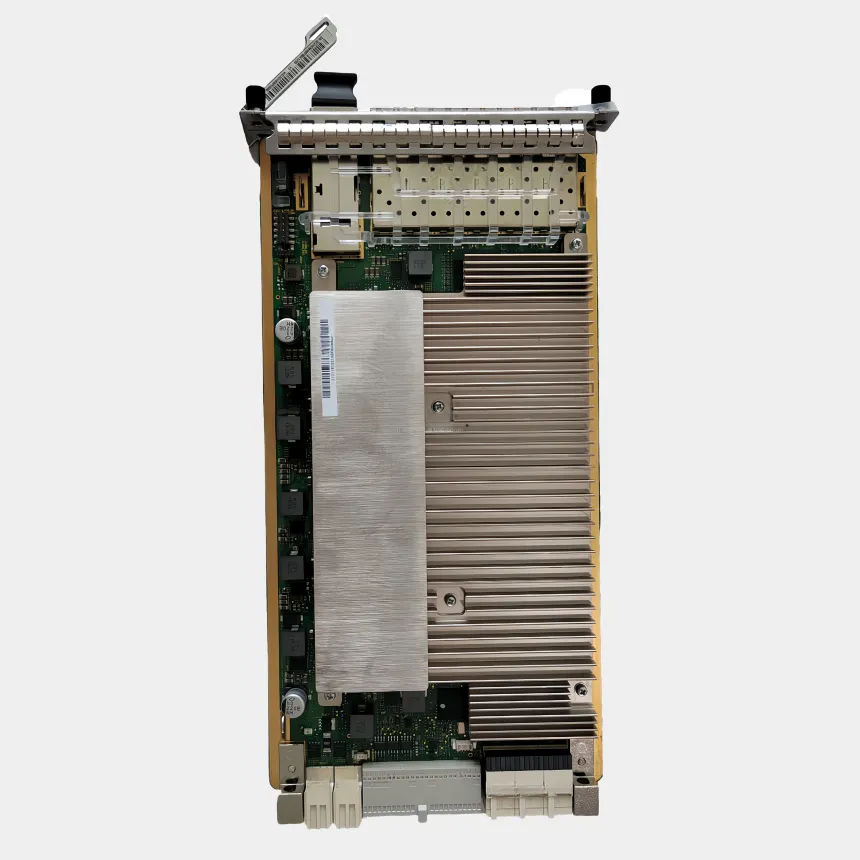
Base Transceiver Stations, or BTS for short, bring together several important parts including transceivers, power amplifiers, and antennas. These work together to turn voice calls and data into radio waves that travel through our cell phone networks. The heart of most modern BTS systems is what we call a distributed setup. Here's how it works: Baseband Units (BBUs) take care of all the signal processing tasks, while Remote Radio Units (RRUs) actually transmit the frequencies. These components are linked by fast fiber optic cables to keep things running smoothly without delays (according to Fibconet research from last year). By placing RRUs right next to the antennas themselves, network providers can significantly cut down on signal loss over distance. To maintain good connections, engineers rely on sophisticated methods such as OFDM modulation along with various error correction strategies. These technologies help fight against signal interference problems, which become especially noticeable in crowded city areas where lots of devices are competing for space on the same frequencies.
The reliability of radio modules really matters when it comes to keeping networks running smoothly thanks to their redundancy capabilities. Most problems we see happen because of those automatic switches kicking in when signals drop off track. According to recent industry data from Hebeimailing back in 2024, nearly all network outages actually come down to issues with RF cables or connectors going bad. That's why many operators now prioritize using shielded coaxial cables and schedule routine checks on signal strength across their systems. When everything works together properly, today's base station setups can maintain almost perfect service levels at 99.99 percent availability, even when demand spikes during busy hours.
Antenna Systems and Radio-Enhanced Signal Distribution
Antenna systems and their role in coverage expansion
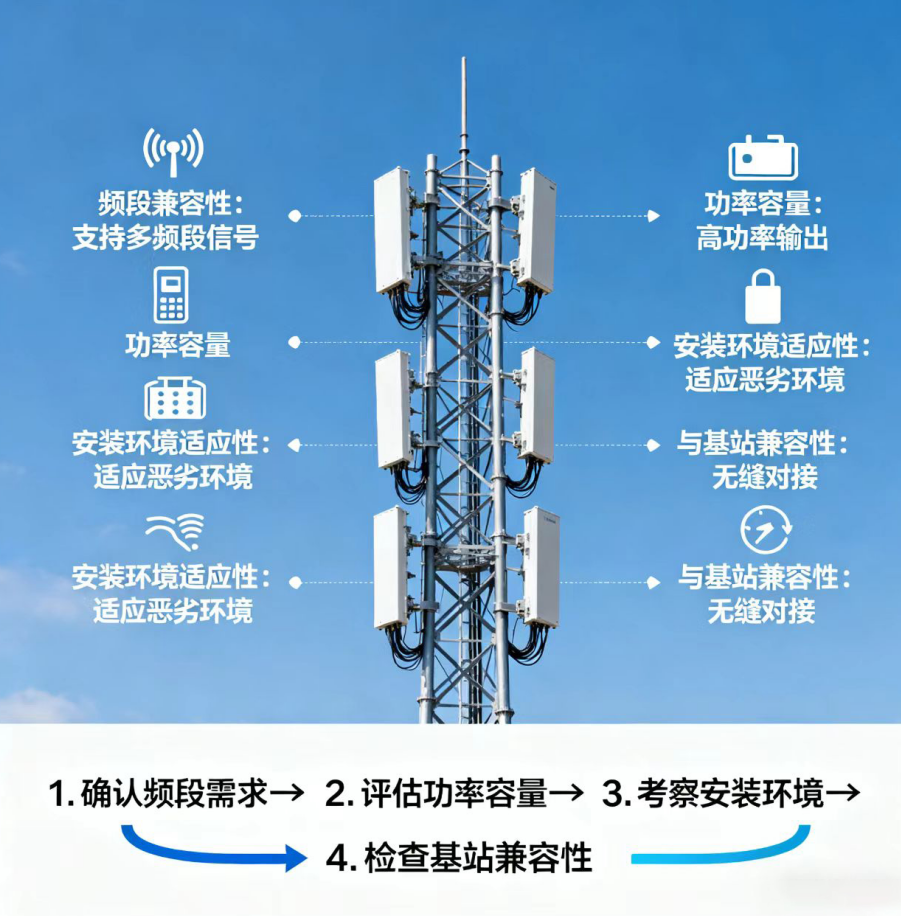
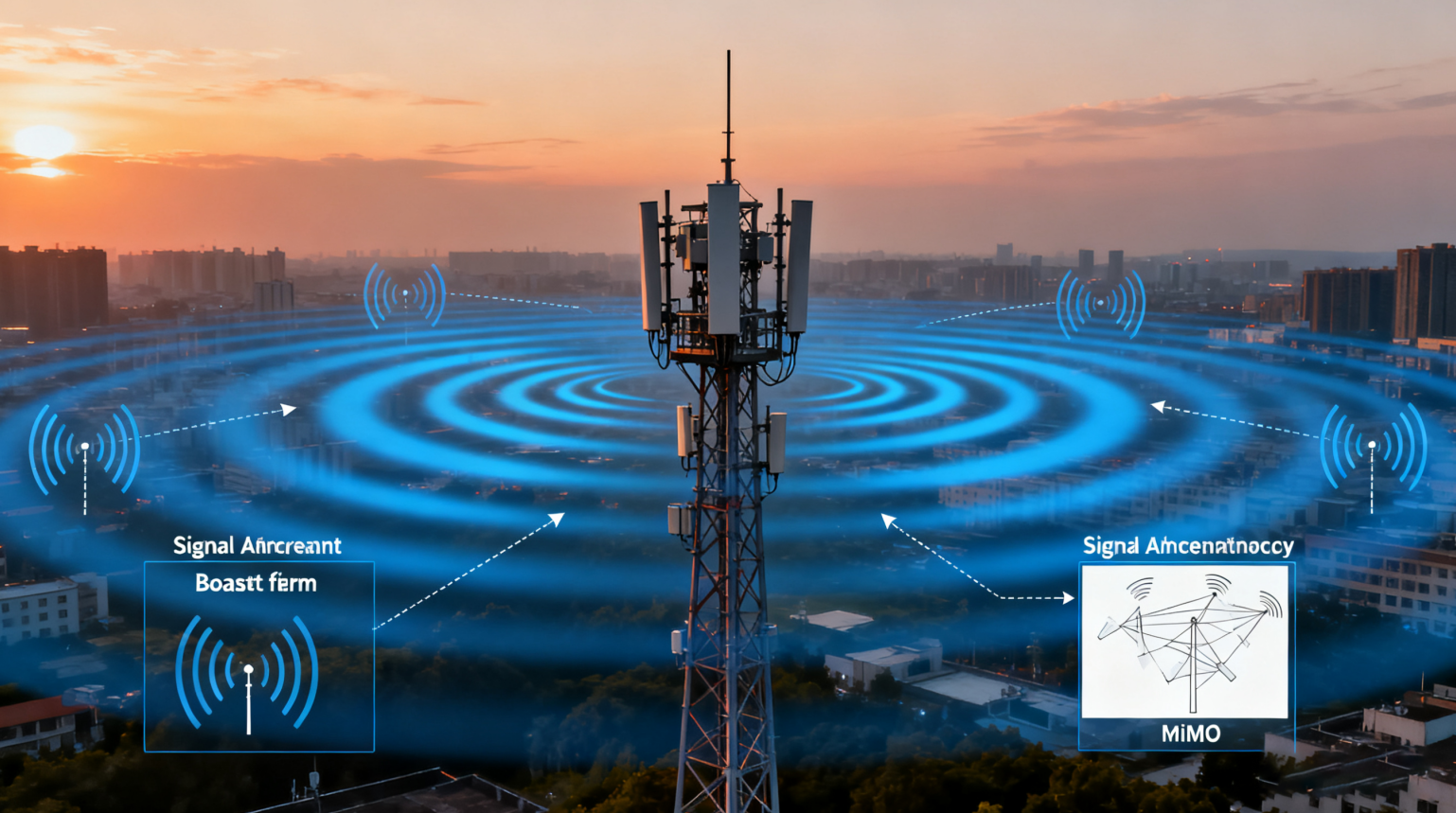
Today's base transceiver stations or BTS units depend heavily on smart antenna setups to tackle those pesky coverage gaps we all know too well. Omnidirectional models spread signals out in all directions around them, covering pretty much everything within range. Directional antennas work differently though they concentrate power towards particular areas. Field tests from last year actually showed these directional approaches boosted signal strength at cell edges between 35 to 50 percent in suburban areas according to some industry reports. Getting the right type of antenna installed correctly matters a lot when trying to eliminate those annoying dead spots where service just disappears.
Beamforming and MIMO technologies in modern radio-equipped BTS
Beamforming works by changing the phase and strength of radio signals so they focus on specific devices. This can boost signal quality significantly, sometimes making signals about 12 dB stronger than what static antennas provide. Pairing beamforming with MIMO technology opens up new possibilities. The multiple inputs and outputs allow several data streams at once, which means networks can handle three times more traffic without needing extra spectrum space. Field tests from last year showed something interesting too. When engineers placed remote radio units strategically across stadiums, they cut down on those pesky coaxial cable losses by half. Even better, they managed to keep latency under 2 milliseconds during big events where thousands of people are connected simultaneously.
Evaluating antenna height, tilt, and polarization for optimal radio coverage
Network planners optimize coverage through three key antenna parameters:
- Height adjustments (30–50m typical) balance signal reach with interference management
- Electrical tilt (4–10°) fine-tunes vertical coverage patterns to match terrain
- Cross-polarized antennas (±45°) combat signal fading in urban multipath environments
Proper alignment of these factors ensures 98% location availability for 4G/5G services according to 3GPP urban propagation models.
Radio-Based Signal Propagation Modeling and Coverage Planning
Signal Propagation Modeling Using Radio Environment Data
Modeling how radio signals propagate through different environments involves looking at things like terrain height, buildings packed together in certain areas, and where trees grow densest. When it comes to figuring out signal behavior, experts now use methods such as ray tracing along with machine learning algorithms. These tools help spot problems with signal paths and can tell us about coverage holes pretty accurately too. Some research showed these models hit around 3.5 dB accuracy margin when tested in suburbs back in 2023 according to Ponemon Institute findings. Take for instance recent work where researchers trained convolutional neural networks on actual cityscapes. They managed to forecast millimeter wave signal losses with about 89 percent success rate across various urban settings. What all this means is that network designers don't have to build towers just to see if they work first. Instead, they can run simulations on computer models which saves companies roughly seven hundred forty thousand dollars each time they start planning a new network rollout.
Coverage Planning and Site Selection for BTS With Predictive Radio Analytics
When it comes to finding the best places for BTS installations, predictive analytics bring together propagation models, maps showing where subscribers are concentrated, and predictions about how much traffic the network will handle. Carriers typically follow a four-part process environment analysis first, then coverage planning, followed by adjusting parameters, and finally figuring out dimensions. This approach cuts down on capacity issues by around two-thirds in networks that serve multiple carriers. New tools using those fancy 3D radio heatmaps have proven really effective too, cutting mistakes during site selection by over 40% when compared with old-fashioned signal strength checks. Take link budget simulations as an example these calculations look at both uplink and downlink power levels and can actually expand coverage areas in rural regions by nearly a quarter without needing any new equipment investments.
Urban vs. Rural Radio Propagation Challenges in BTS Deployment
| Parameter | Urban Challenges | Rural Challenges | Mitigation Strategy |
|---|---|---|---|
| Path Loss | 18–35 dB/km (reflections/obstructions) | 8–12 dB/km (free-space dominated) | Adaptive beamforming |
| Site Density | 40–70 sites/km² | 1–5 sites/km² | Small cell backhaul optimization |
| Interference Sources | 5G/mmWave overlaps (28/39 GHz) | IoT sensor cross-talk | Dynamic spectrum sharing protocols |
Urban deployments require 7–9 dB higher signal margins to counteract shadowing from skyscrapers, while rural networks face 12–18% wider coverage variance due to uneven topography. AI-driven planning tools resolve these extremes, achieving 91% first-attempt coverage accuracy in hybrid terrains.
Optimizing 5G BTS Coverage with Advanced Radio Technologies
5G Base Station Coverage Optimization Using Millimeter-Wave Radio Systems
The mmWave radio systems tackle the tricky balance between coverage and capacity in 5G technology by working within those high frequency ranges of 28 to 47 GHz according to Nature's findings from last year. These systems can deliver bandwidths measured in multiple gigahertz, which translates into data speeds about ten times faster compared to the older sub-6 GHz networks we've been using. But there's a catch though. The signal doesn't travel very far at all really only about 300 to 500 meters before it starts fading away. That means operators need to think carefully about where they place these systems, often relying on techniques like beamforming and something called Massive MIMO to focus those signals properly. Some research published in 2023 showed interesting results when mixing mmWave tech with traditional sub-6 GHz frequencies. Cities packed with buildings saw a significant improvement in network coverage gaps, around 41% reduction actually, making these hybrid approaches quite promising for solving connectivity problems in urban environments.
| Feature | mmWave (28–47 GHz) | Sub-6 GHz |
|---|---|---|
| Bandwidth | 400–2,000 MHz | 50–100 MHz |
| Typical Range | 300 m | 1–3 km |
| Latency | <5 ms | 10–20 ms |
Small Cells and Distributed Radio Units in 5G Coverage Enhancement
When distributed radio units (DRUs) work together with small cell deployments, they actually get around those pesky propagation issues that plague mmWave technology by building these super dense network setups. Carriers have found that putting down somewhere around 120 to 150 nodes for every square kilometer makes a big difference in getting signals inside buildings, boosting penetration rates by about 60 percent. Plus it takes some pressure off the main macro BTS systems. We saw this play out in real life during tests conducted in Seoul where these DRU installations managed to hit nearly 98% reliable coverage in those tricky high rise areas. They did this clever thing where they switched traffic back and forth between the 28 GHz and 3.5 GHz frequency bands in real time depending on what worked best at any given moment.
Dynamic Spectrum Sharing and Its Impact on Radio Signal Reach
Dynamic Spectrum Sharing or DSS lets both 4G and 5G networks run at the same time on those 1.8 to 2.1 GHz frequency bands. This clever approach gives operators around a third more 5G coverage without needing extra spectrum licenses. The system adjusts its modulation techniques automatically, switching between QPSK and 256-QAM depending on what the signals need, which keeps connections stable even when someone is right at the edge of a cell area with just 65 dBm signal strength. Field tests show network providers implementing DSS have seen roughly a fifth reduction in call drops where regular macro cells meet those high speed mmWave areas. Makes sense really since these transition spots were always problematic for consistent service.
Monitoring and Optimizing Radio Coverage Through Data-Driven Techniques
Radio signal strength evaluation techniques for real-time monitoring
Signal strength monitoring has become standard practice for network operators who track key indicators such as bit error rate (BER) and signal-to-noise ratio (SNR). When networks analyze BER in real time, they can cut down on coverage problems by around one third during busy periods. Meanwhile, detailed SNR maps help pinpoint areas where signals struggle, often down to about 200 meters apart. These days, advanced systems actually link together BER and SNR data with local weather conditions and building layouts. This allows engineers to tweak power levels dynamically across different parts of the radio frequency infrastructure, though getting all this working smoothly remains a challenge for many field teams dealing with complex urban environments.
Coverage blind spot identification using drive-test and crowd-sourced radio data
The hybrid approach for detecting signal issues brings together two main components: special test cars that drive around collecting data, plus anonymous information from most connected devices out there, probably covering something like 85% of them. When these test cars are on the road, they basically track how strong signals are at different points along major roads, marking spots where reception drops below what we consider acceptable levels (-90 dBm is the cutoff). But it's not just about those big scale tests. The real magic happens when everyday users contribute their own device data too. This crowd sourced info shows tiny dead zones sometimes no bigger than 50 meters wide hiding between buildings in city centers. And according to industry reports, this combination method finds problems about 40 percent more often than older techniques did back in the day.
AI-powered radio analytics for predictive coverage maintenance
By looking at past performance data, machine learning models can now predict when coverage starts to degrade about three days ahead of time. One particular AI setup that works in layers hit around 98.6% accuracy rate when it comes to figuring out the best modulation settings. Field tests showed this actually cut down on dropped calls by roughly 20-25%, according to research published in Nature last year. What makes these systems really useful is how they work alongside changing spectrum rules. When there's too much traffic in one area, they automatically move some of it to frequencies that aren't being used as much. This helps keep service quality stable for most people, with about 95% of users reporting no issues even during peak times.
Table of Contents
- The Role of Radio Equipment in BTS Signal Transmission and Network Reliability
- Antenna Systems and Radio-Enhanced Signal Distribution
- Radio-Based Signal Propagation Modeling and Coverage Planning
- Optimizing 5G BTS Coverage with Advanced Radio Technologies
- Monitoring and Optimizing Radio Coverage Through Data-Driven Techniques