EN
EN



Match Communication Equipment to Tower Deployment Context
Aligning equipment capabilities with tower type and mission: portable, temporary, urban, and remote deployments
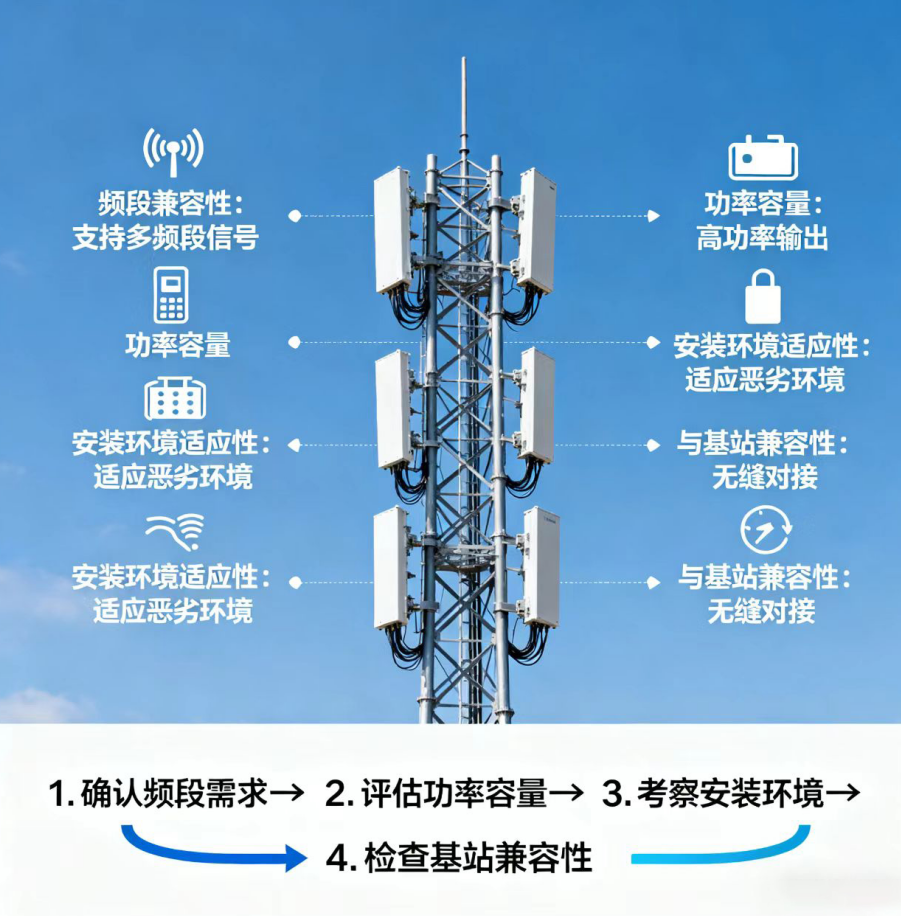
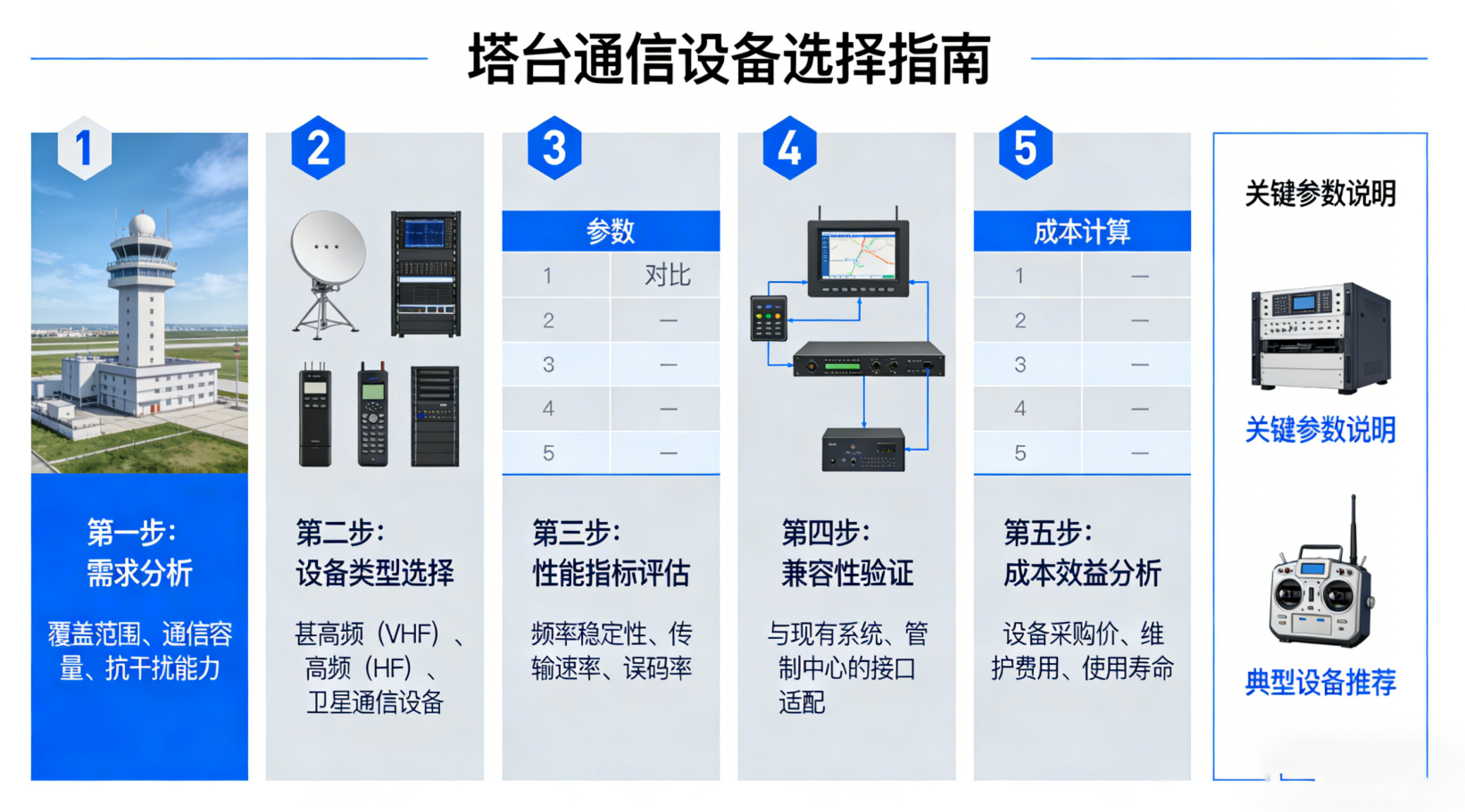
Picking the right communication gear means aligning specs with how and where it will actually be used on site. When dealing with portable towers during disasters, field teams need those tough little handheld radios that last forever on a single charge so they can stay mobile even when conditions get rough. Temporary setups for things like concerts or emergency command centers call for systems that go up fast and work through rain, snow, whatever Mother Nature throws at them. Cities present their own challenges too. Urban towers need sleek, discreet equipment that blends into the surroundings while working alongside other signals without causing interference problems. The whole game changes completely out in remote areas though. Mountain ranges or wide open spaces demand powerful transmitters strong enough to punch through hills and valleys, plus support for satellite links or microwave connections back to main hubs. And don't forget the numbers either. A recent Ponemon Institute report showed companies lose around $740,000 each year just from having equipment that doesn't fit the job properly. That kind of money adds up fast when operations grind to a halt because of poor planning.
Evaluating speed-to-deployment factors: site access, power/fiber availability, zoning, and entitlement timelines
Getting things up and running quickly depends heavily on figuring out logistics ahead of time. Before any work starts, teams need to check if there's actually a way to get heavy equipment onto the site and look at how stable the local power supply really is. If the electricity isn't reliable enough, then backup options like generators or solar panels become necessary. The question of fiber internet availability determines if we need to install alternative wireless connections such as microwave links. Zoning issues and permits often hold up projects for around six to eight weeks, which is why doing research on these requirements early makes all the difference. When sites require quick dismantling after installation, modular equipment proves essential. This matters especially in sensitive environmental areas where leaving behind little trace of our presence is absolutely critical.
Evaluate Technical Performance of Communication Equipment
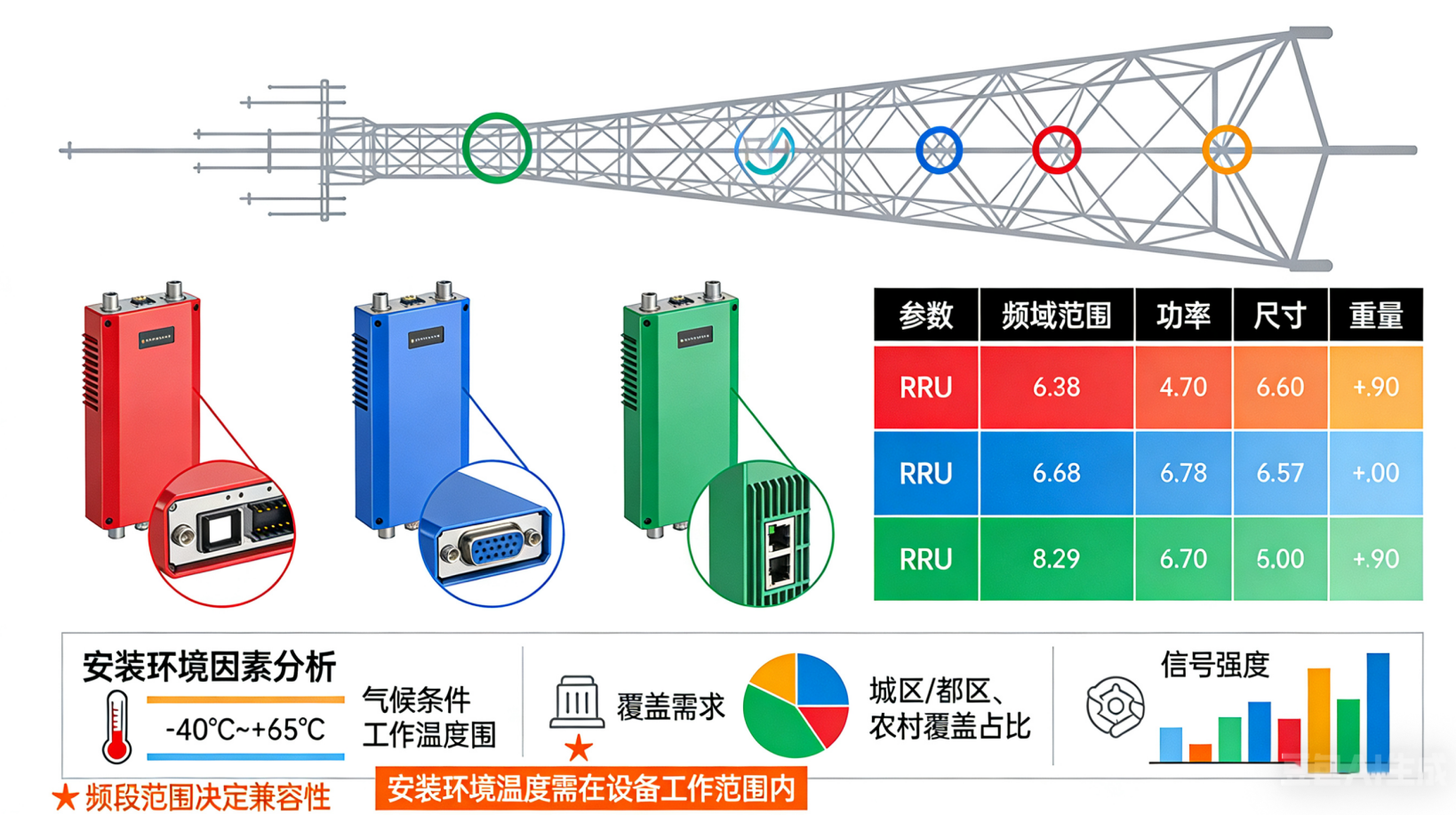
Spectrum compatibility and interoperability across VHF/UHF, 700–800 MHz, LTE, and POC systems
When picking out communication gear, it's essential to check if it works across multiple bands including VHF, UHF, those 700 to 800 MHz public safety frequencies, LTE networks, and POC systems. The wrong spectrum support can lead to major problems when different agencies need to work together. Take the 2023 fire situation in Oregon where firefighters simply couldn't get through to emergency medical services because their UHF channels weren't matching up. That kind of breakdown is exactly what we want to avoid. Look for equipment featuring software defined radios (SDRs) since these bad boys can switch frequencies on the fly. They bridge the gap between old school infrastructure and prepare for coming 5G advancements at the same time. Don't forget to run tests for adjacent channel interference too. Going through something like APCO P25 Phase 2 certification helps cut down signal collisions by around 40% according to NIST standards, especially important in busy city environments where signals tend to bounce all over the place.
Range, transmission power, and environmental propagation challenges (terrain, vegetation, line-of-sight)
Getting good transmission range really depends on getting the power settings just right based on what's blocking the signal path. Mountain areas require equipment outputs above 50 watts to cut through granite rock formations that eat up signals between 20 to 35 decibels. But don't go overboard in cities where FCC regulations kick in. Trees matter too. When deciduous forests hit their full leaf growth, they soak up around 0.4 dB per meter from 2.4 GHz signals. That means pointing antennas strategically becomes essential when there's no direct line of sight. Desert installations face another challenge altogether. Sandstorms can slash signal reach by as much as half at 700 MHz frequencies. So power adjustments need to be smart and tested properly against military standard requirements. And remember to map out signal paths with LiDAR data whenever possible. According to FEMA's look at tower performance last year, most coverage problems came from unexpected barriers nobody had accounted for in their planning.
Validate Environmental Resilience and Operational Reliability
Certifications and hardening: IP67, MIL-STD-810, lightning/surge protection, and ruggedized transport
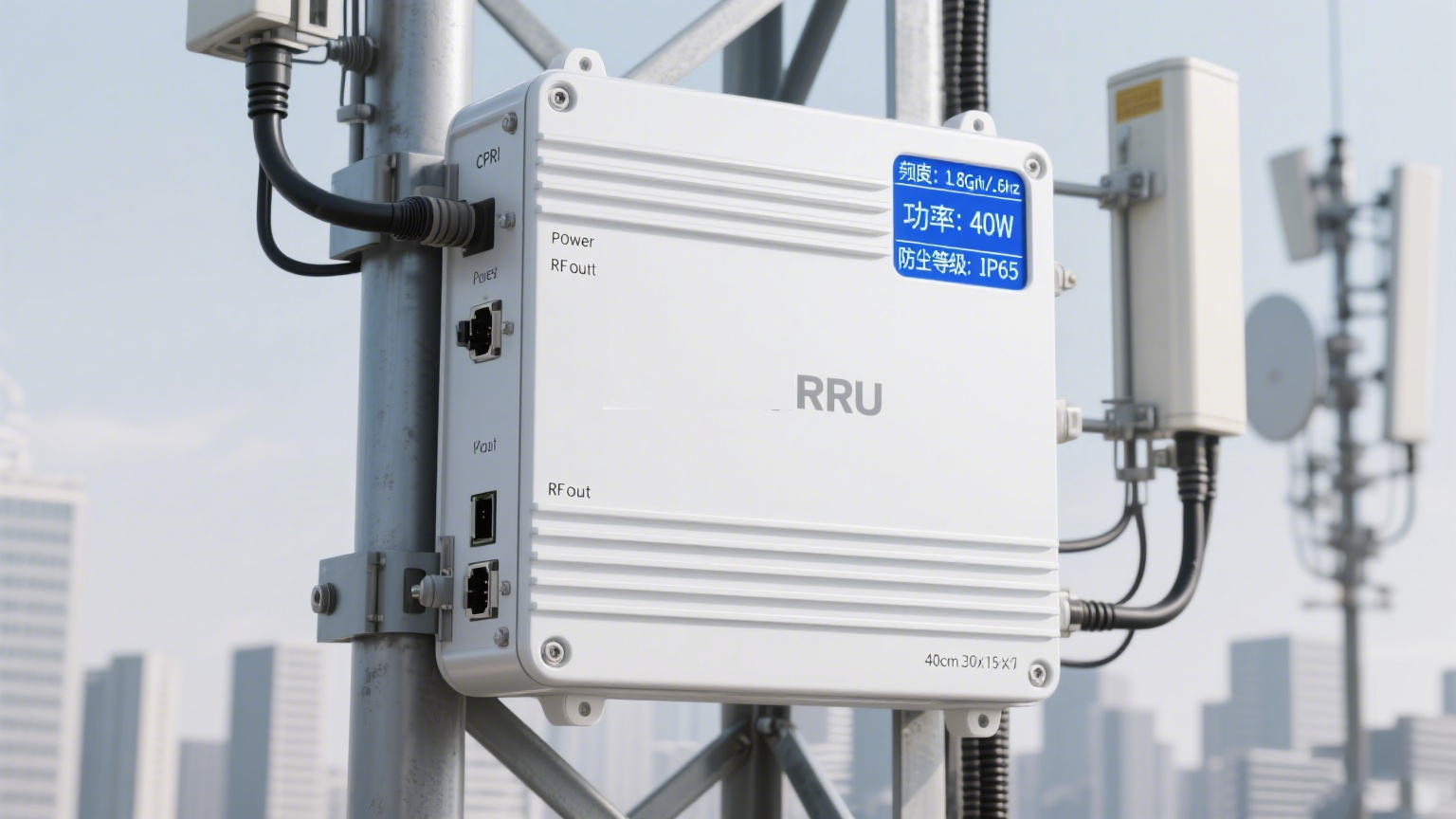
The gear we put on communication towers needs serious environmental protection to survive what Mother Nature throws at it. IP67 rating means these devices can handle dust without issues and stay operational even when submerged in water, which matters a lot for areas prone to intense weather or dusty deserts. When manufacturers meet MIL-STD-810 standards, they're basically saying their products work reliably between freezing cold and blistering heat, plus they stand up to constant vibrations and occasional bumps. This kind of testing actually cuts down failures by around 30-35% in really tough locations. Lightning protection systems are another must-have feature. They stop those dangerous voltage surges that can spike over 6,000 volts during thunderstorms before they wreck sensitive components. For moving equipment between sites, companies often include special shock absorbing mounts and tougher outer casings so nothing breaks during transport over rocky roads. All these standards together help keep things running smoothly, cut back on expensive repairs, and generally make sure equipment lasts about twice as long out in the field compared to regular models.
| Protection Feature | Performance Benchmark | Field Impact |
|---|---|---|
| IP67 Sealing | Dustproof; withstands 1m water for 30min | Prevents moisture damage in storms |
| MIL-STD-810 Compliance | Operates at –40°C to 70°C; vibration resistance | 35% lower failure rates in extremes |
| Surge Protection | 6kV+ transient suppression | Shields against lightning strikes |
| Ruggedized Construction | Vibration-dampened; reinforced casing | Survives transport on unpaved routes |
Optimize Integration, Support, and Lifecycle Management
Smart lifecycle management turns communication gear from just another expense into something that grows with the business and stays relevant for years. Start by mapping out those key phases in the equipment life cycle procurement, getting it deployed, keeping it running smoothly, and eventually retiring it all while matching these steps to what the company actually needs. Take modular design seriously when buying new stuff because it makes upgrading much easier later on when coverage areas expand. Set up regular checks on how well things are performing energy use, breakdown frequency, etc. Companies that do predictive maintenance instead of waiting for problems report saving around 25% on repairs according to Ponemon's latest numbers from 2023. Keep all documentation in one place for compliance purposes and don't forget to look back at past data when making purchasing decisions. Getting different departments involved from day one matters a lot too. When engineers, maintenance staff, and finance folks work together, nobody ends up making costly mistakes alone. Planning ahead for parts that will eventually stop working is smart business practice. Replace them gradually before they actually fail so networks stay strong and reliable. Think of infrastructure not just as boxes sitting there but as systems that evolve over time. This approach typically boosts return on investment by about 30% across the entire equipment lifetime without interrupting essential communications services.