EN
EN



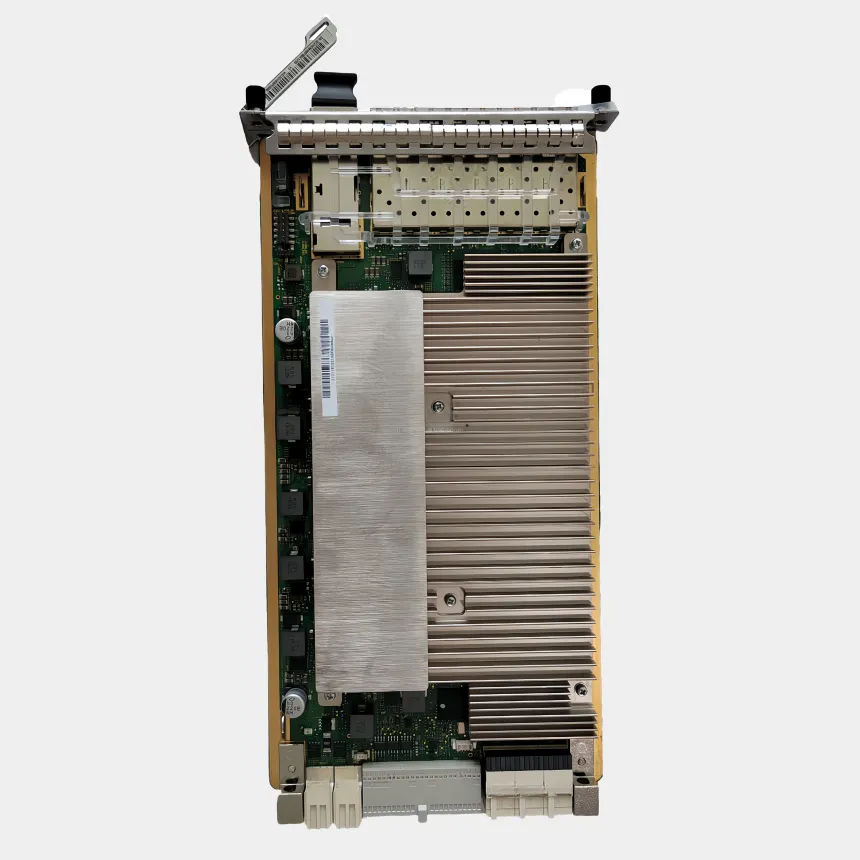
UMPT as the Central Control Unit of the BTS
Integration within BBU Architecture and Hardware Interfacing
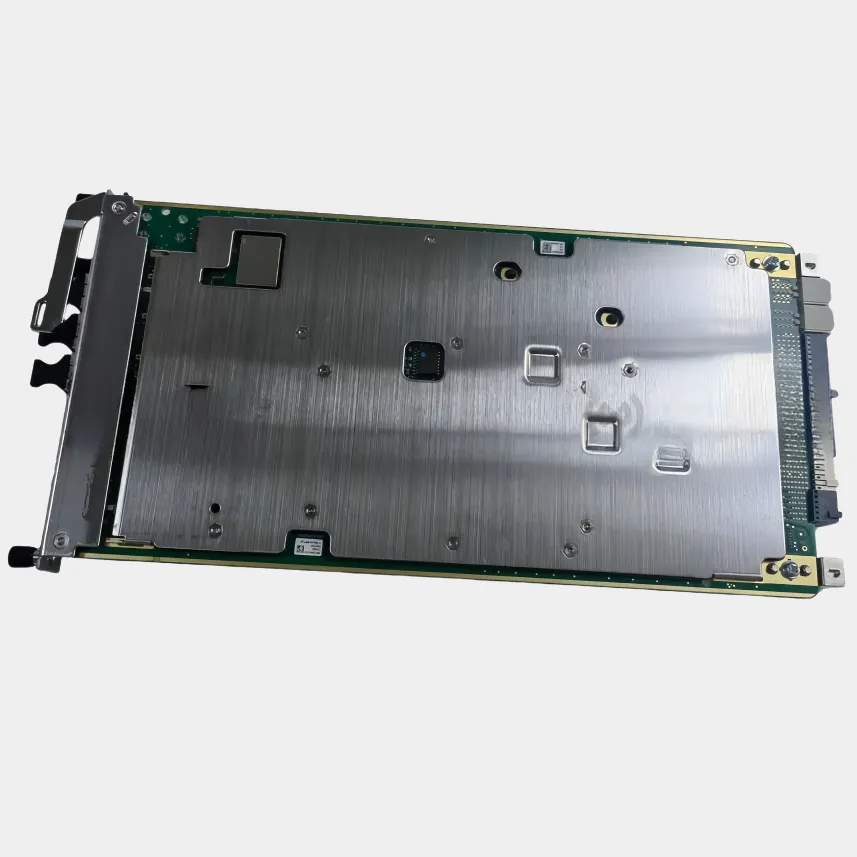
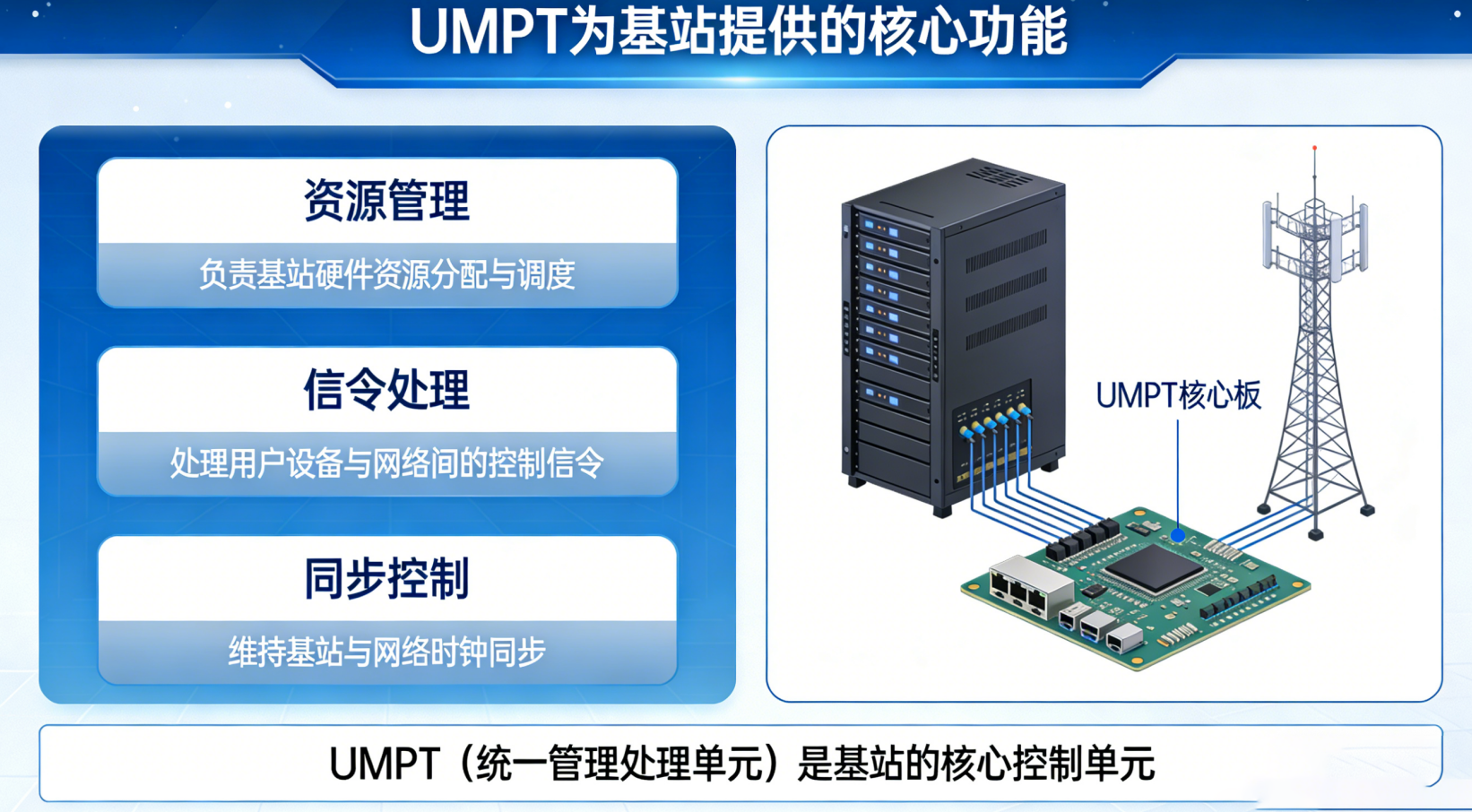
At the heart of the Baseband Unit (BBU) sits the Universal Main Processing and Transmission unit or UMPT for short. This component manages all the real time data moving between different processing parts and transmission equipment within the system. The UMPT connects directly to various hardware components through standard backplane connections. These include optical ports that handle fast data transfers as well as electrical links used mainly for sending control signals around the system. Among other things, the UMPT takes care of important functions like distributing clocks throughout the system, routing signals where they need to go, and managing resources when multiple processes compete for attention. What makes this setup particularly useful is its modular nature. Network operators can scale up or down depending on what their networks require without major overhauls. Plus, this design helps keep delays low and ensures processing stays efficient even as network requirements change over time.
Coordination with RRUs and Peripheral Boards (e.g., LBBP, UPEU)
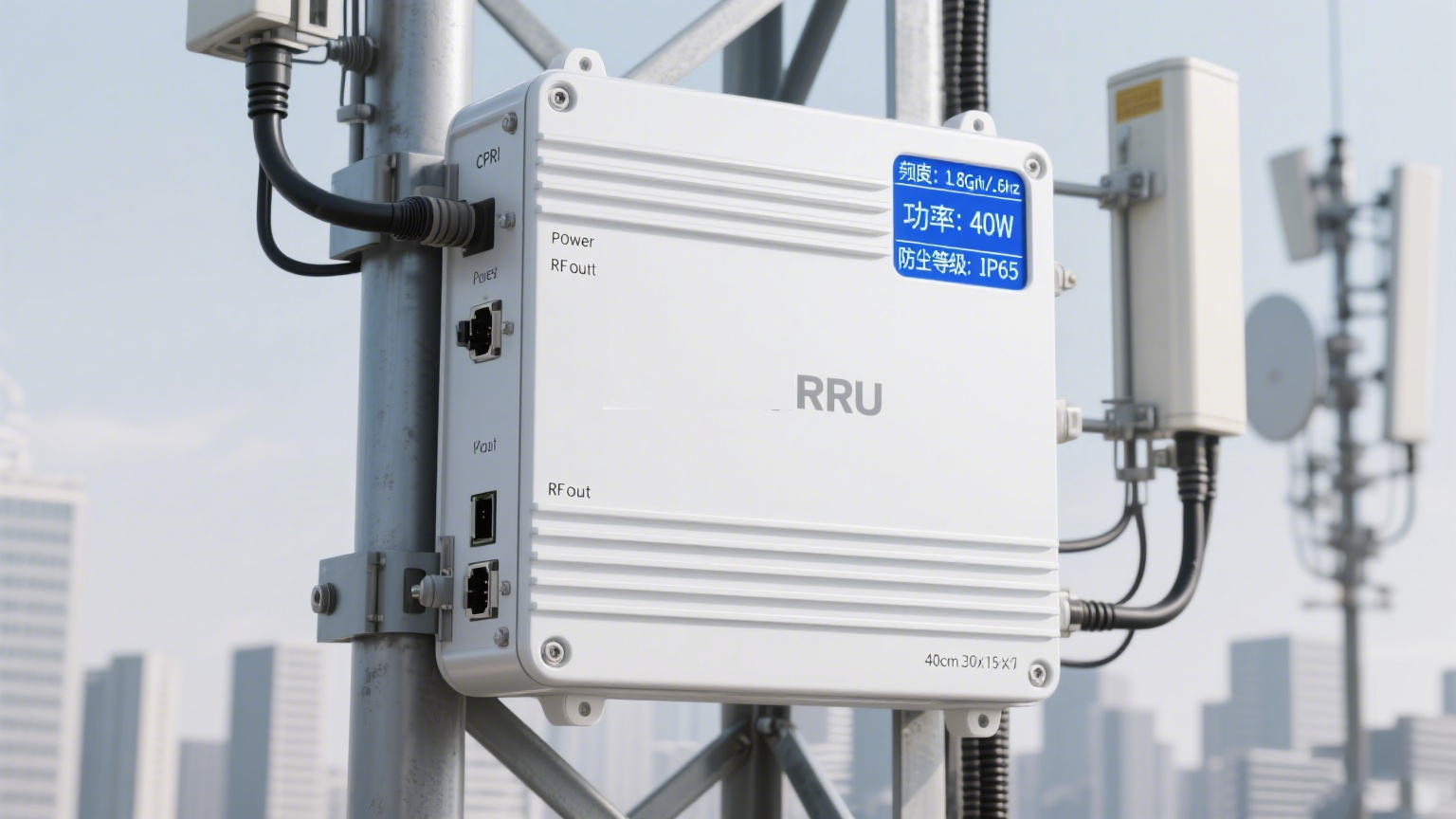
At the heart of the system sits the UMPT, which coordinates all activity between the Remote Radio Units (RRUs) and various peripheral components such as the Baseband Processing boards (LBBP) and Power Environment units (UPEU). The device handles synchronization of RF data transmissions to these RRUs via either CPRI or eCPRI interfaces, while also taking care of power distribution and keeping tabs on environmental conditions through the UPEU modules. When there's a sudden spike in network traffic, the UMPT smartly redistributes processing power among different LBBP cards so signals stay strong across all radio frequency paths. Special control channels constantly check the status of everything connected, and if something goes wrong they kick in automatic failover mechanisms. This means services keep running smoothly even when parts of the system experience issues, making sure the whole BTS setup remains reliable and functional at all times.
UMPT’s Core Functional Capabilities for BTS Operations
Clock Synchronization, Transmission Management, and Protocol Processing (SCTP, IP, PPP)
The UMPT keeps things in sync across base transceiver stations with remarkable precision, hitting that tight ±50 ppb window which is exactly what the 3GPP TS 36.104 standard demands for both LTE and NB-IoT networks. When it comes to handling all that data traffic, the system works with those high speed interfaces like CPRI and eCPRI, pushing through data at speeds reaching 25 gigabits per second. What makes this stand out is how it actually manages bandwidth smartly instead of just throwing more resources at problems. The device does all sorts of protocol work right onboard for stuff like SCTP that handles reliable signaling, IP for routing packets around, and PPP for wrapping up serial links. This approach cuts down overall latency by about 30 percent when compared to spreading these functions across different hardware. As a result, we see better performance during handovers between cells, fewer lost packets, and most importantly consistent low delay communications that really matter in situations where timing can make or break operations from industrial automation to emergency response systems.
Multi-Mode Radio Access Support: GSM, UMTS, LTE, and NB-IoT
The UMPT module does something pretty cool it can handle all those different network standards at once GSM (that's 2G), UMTS (3G), LTE (4G), and even NB-IoT which is part of LPWAN tech. And here's the kicker no need to swap out hardware every time new tech comes along thanks to those software defined radio profiles. What makes this thing stand out? Well, the baseband engine adapts really well supporting things like carrier aggregation, massive MIMO setups, and letting operators get creative with how they reuse spectrum space. All of this sets the stage nicely for moving into 5G NR territory. Some actual field tests in industrial IoT settings have shown something interesting about 60 percent fewer problems with handovers between different radio access technologies when everything gets timed and scheduled properly through the central UMPT system. For those low power sensors spread out over large areas, this kind of reliability makes a huge difference in day to day operations.
UMPT’s Role in Ensuring BTS Reliability, Redundancy, and Scalability
Active/Standby Redundancy, Hot-Swapping, and Automatic Fault Recovery
The UMPT provides serious reliability thanks to its active standby redundancy setup. When the main board fails, the backup takes over completely in less than 50 milliseconds, which actually meets those tough ITU-T Y.1541 Class A standards for availability. The hot swappable design means technicians can replace components while everything stays online, something absolutely essential if companies want to hit that mythical five nines (99.999%) uptime target in their critical networks. There's also built in fault detection constantly watching over things like software stability, checking memory integrity, and monitoring hardware health. If problems pop up, the system automatically kicks in recovery measures including rolling back firmware to previous working versions all within about 90 seconds. All these features help slash unexpected downtime and bring down operational costs by roughly 30 percent according to the Telecom Efficiency Report from last year. Plus they work seamlessly as networks expand, so businesses don't have to tear apart their existing architecture just to grow.
UMPT Deployment Considerations for Network Operators
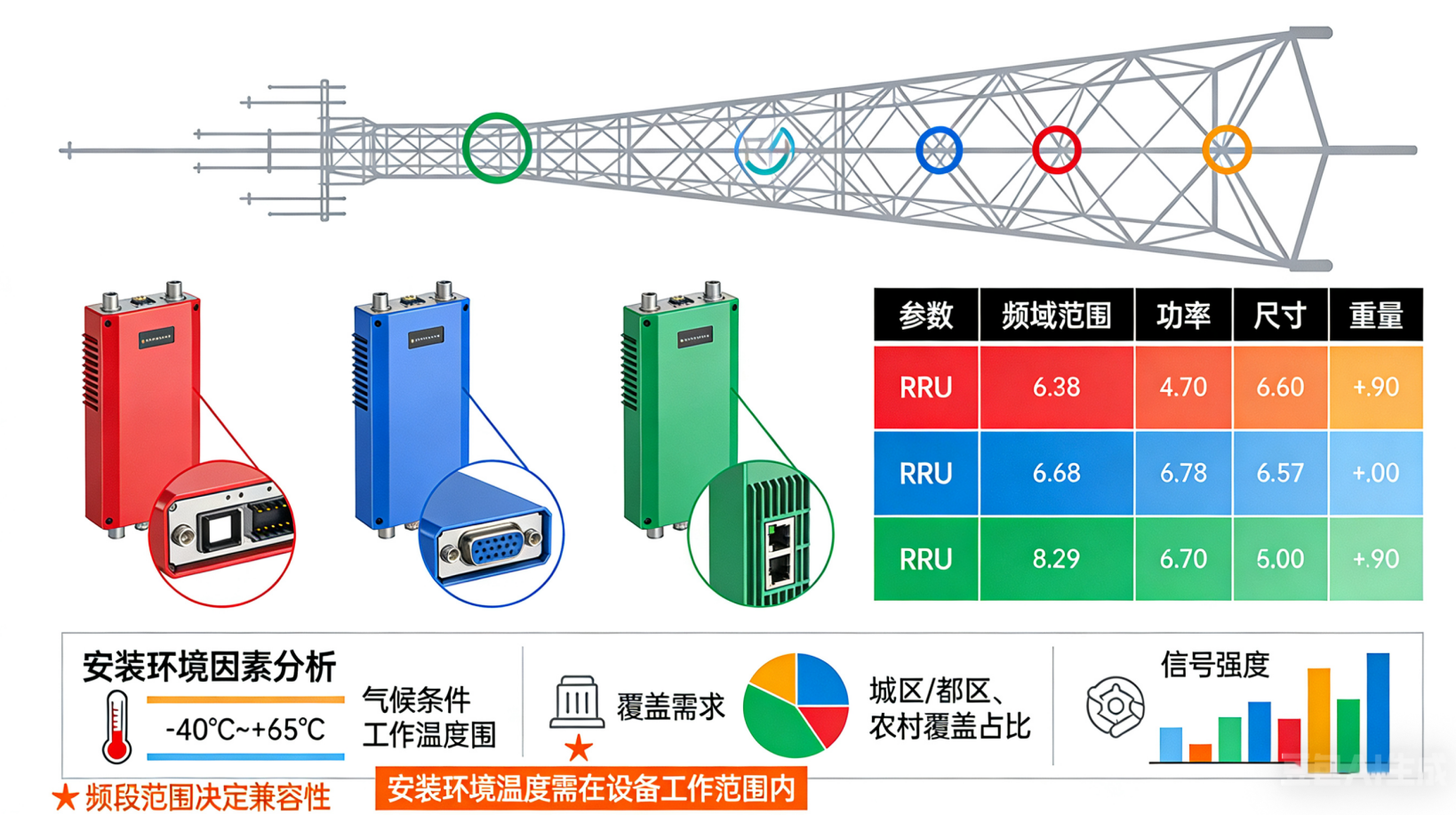
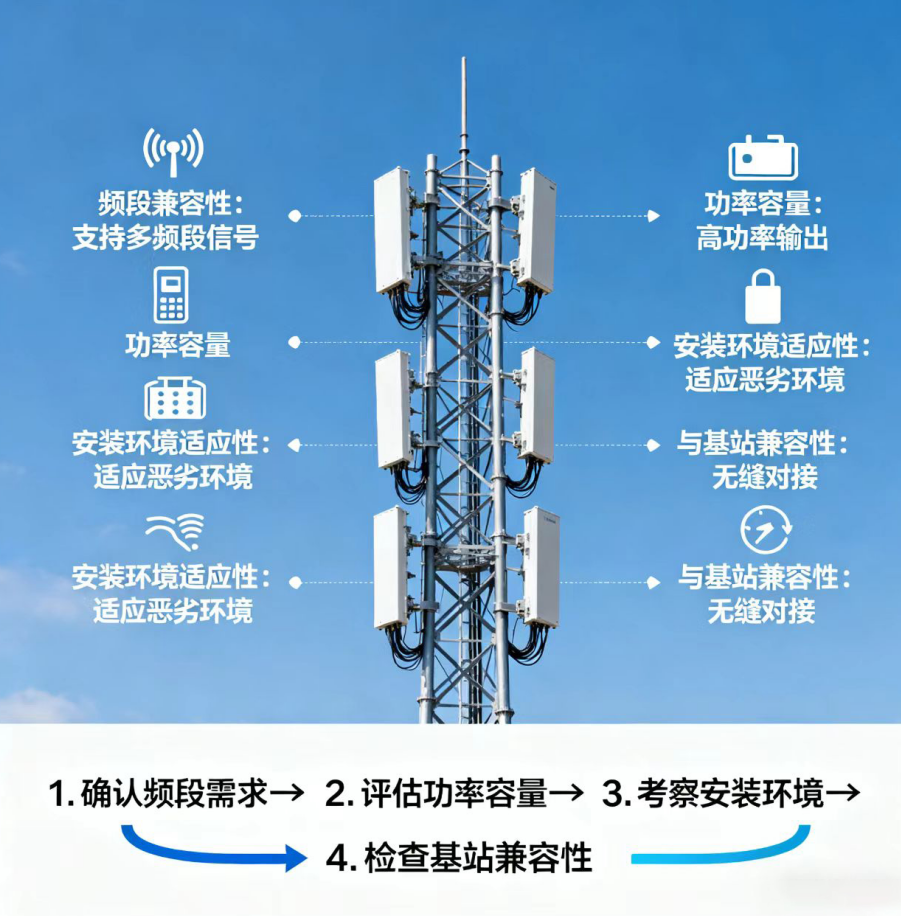
When setting up UMPT units, operators need to match their hardware choices with what's already in place as well as where things might go in the future. Compatibility with older BBUs and RRUs comes first. Check if the equipment supports multiple radio modes like GSM, UMTS, LTE and NB-IoT. Power efficiency matters too, especially when dealing with towers far from the grid. The environment is another big concern. These units have to work reliably from minus 40 degrees all the way up to plus 65, and they need to handle dusty conditions and high humidity that come standard with outdoor installations. For backup plans, most experts recommend having active standby systems with hot swap features so operations don't grind to a halt during maintenance or failures. Looking ahead to 5G, make sure clock sync accuracy and data throughput rates hit those 3GPP Release 15 standards. And don't forget about scaling up. Traffic will grow fast, particularly in places packed with IoT devices. According to GSMA Intelligence reports, NB-IoT connections could triple by 2026, so planning accordingly makes good business sense.