 ×
×
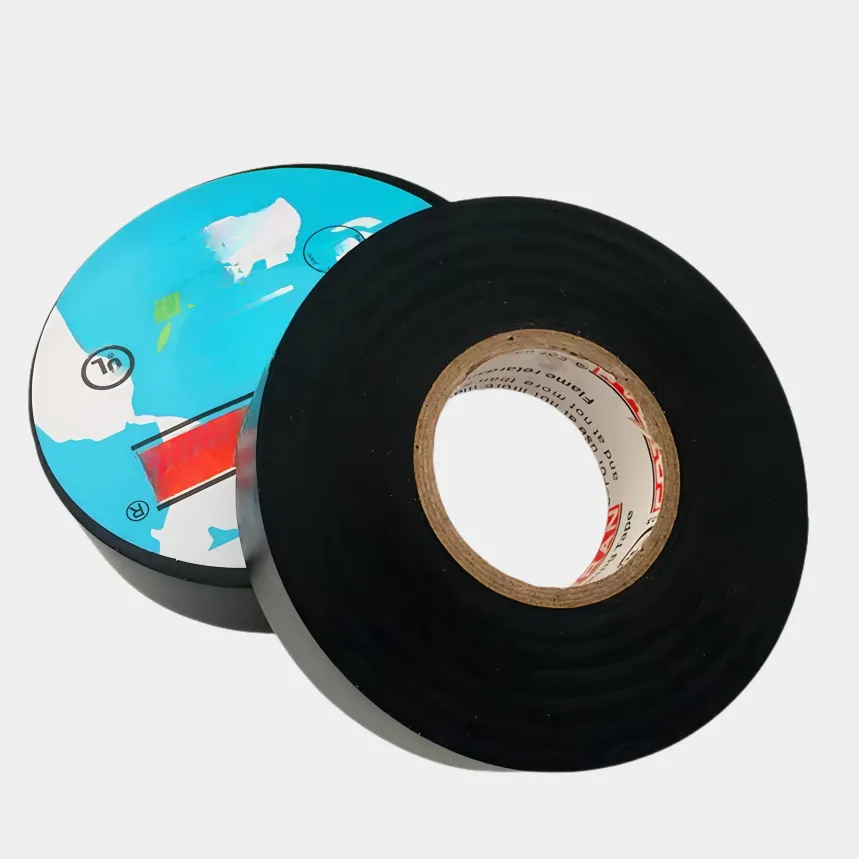
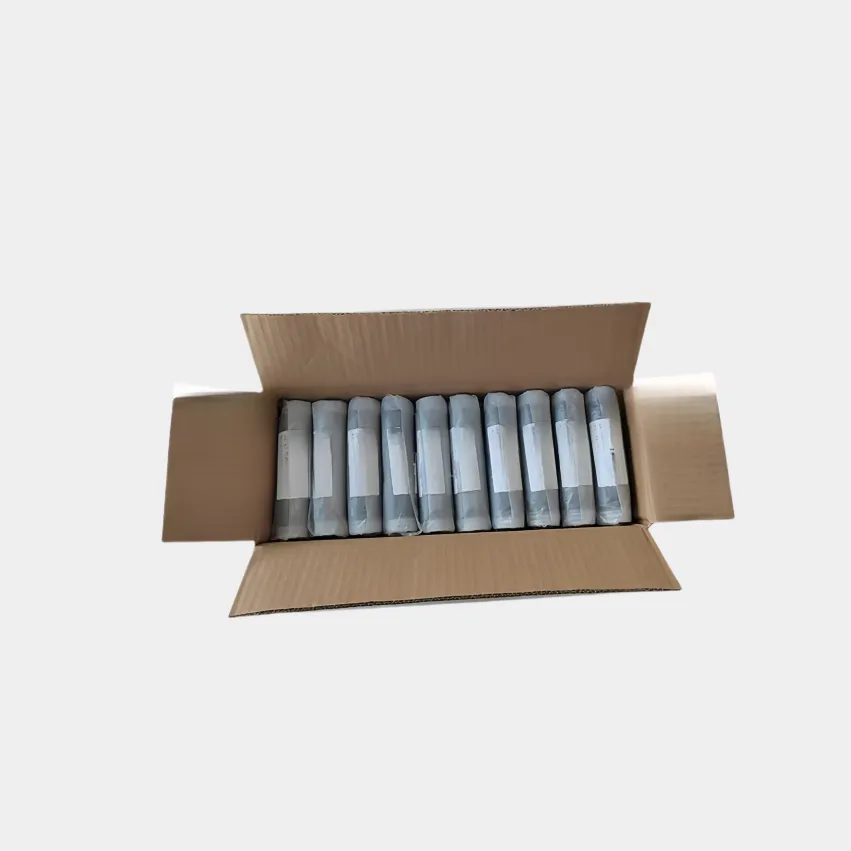
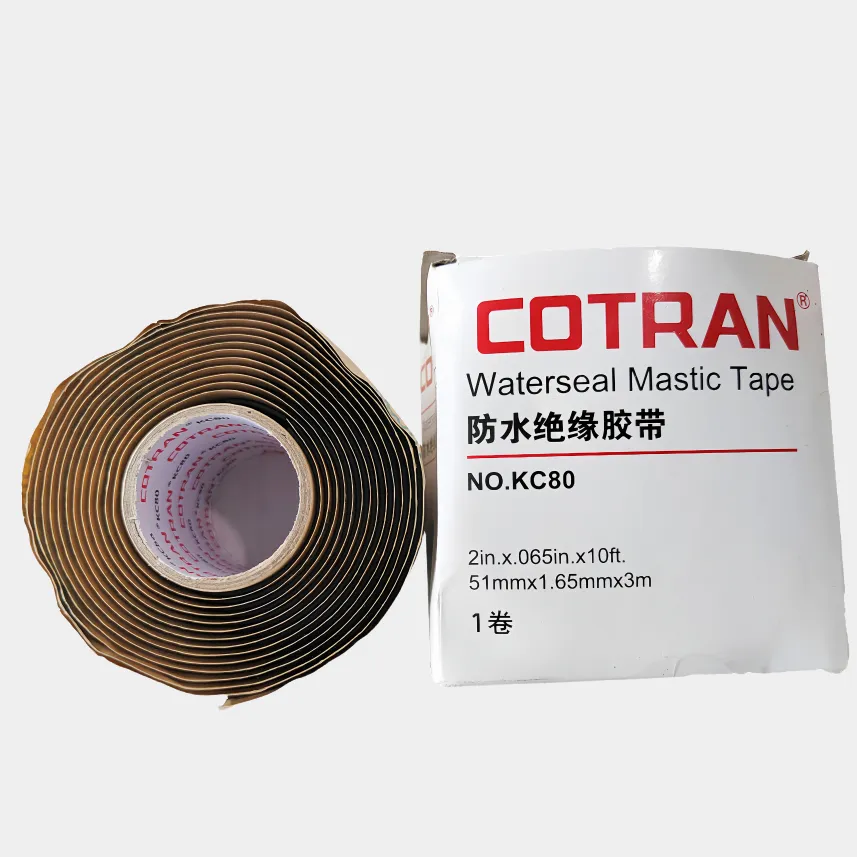
Waterproof tape for insulation purposes is a specialized adhesive product designed to provide dual functionality: thermal or electrical insulation and reliable moisture resistance. Unlike general purpose tapes, these variants are engineered to maintain insulating properties even in wet or humid environments, making them critical in applications where both temperature control and water exclusion are essential. The composition varies based on insulation type: for thermal insulation, the tape often features a foam or felt backing (e.g., closed cell polyethylene or EPDM rubber) coated with a waterproof adhesive, creating a barrier that reduces heat transfer while preventing water ingress. For electrical insulation, it typically uses materials like rubber, silicone, or vinyl with high dielectric strength, ensuring electrical resistance alongside water protection. A primary application of waterproof thermal insulation tape is in HVAC systems, where it seals gaps in ductwork, pipe insulation, or refrigerant lines. By preventing condensation and moisture absorption, it maintains the efficiency of thermal barriers, reducing energy loss and preventing mold growth. In plumbing, it insulates hot water pipes to retain heat and protects cold pipes from sweating, while its waterproofing capability prevents corrosion on metal pipes. For industrial machinery, it insulates components like motors or boilers, safeguarding against heat loss and water damage in washdown or high humidity areas. Electrical insulation variants are used in low voltage systems (up to 1000V) to insulate wires, cables, and connections in damp locations. They exhibit dielectric strengths ranging from 300V to 3000V, depending on thickness, and are often rated for outdoor use with UV and ozone resistance. Examples include butyl rubber tapes, which form a permanent, airtight seal, and silicone tapes, which withstand extreme temperatures ( 50°C to 200°C) and chemical exposure, ideal for automotive or aerospace applications. Key performance metrics include water vapor transmission rate (WVTR), which measures moisture resistance, and thermal conductivity (for thermal variants), indicating insulation efficiency. Adhesion strength is also critical—tapes must bond to diverse surfaces (metal, plastic, rubber, foam) even when wet or dusty. Many products meet industry standards such as ASTM C1136 for thermal insulation or IEC 60454 for electrical insulation tapes. Installation requires surface preparation (clean, dry, and free of debris) to maximize adhesion, with overlapping layers to ensure continuity. In electrical contexts, stretching the tape during application activates the adhesive and enhances conformability around irregular shapes like cable bends. For thermal use, pressure is applied to ensure the foam backing compresses and seals gaps. Beyond industrial use, these tapes are vital in construction for sealing insulation in basements, roofs, or exterior walls, and in marine settings for insulating wiring or pipes exposed to saltwater. Their ability to combine insulation and waterproofing reduces the need for multiple products, streamlining installation and lowering costs while ensuring long term system reliability.
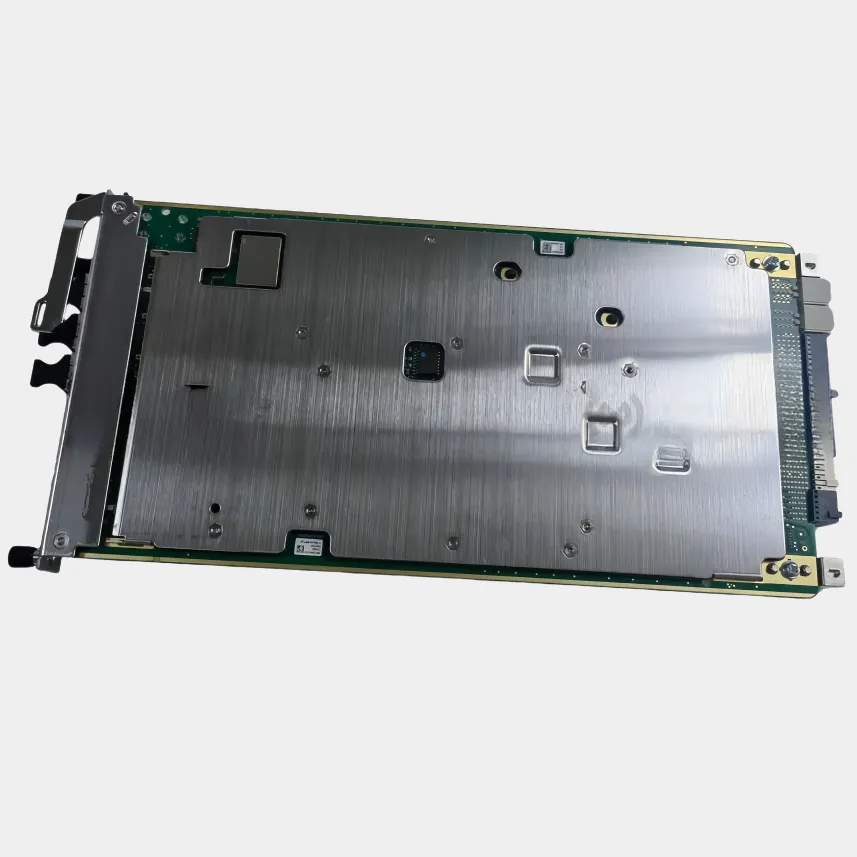
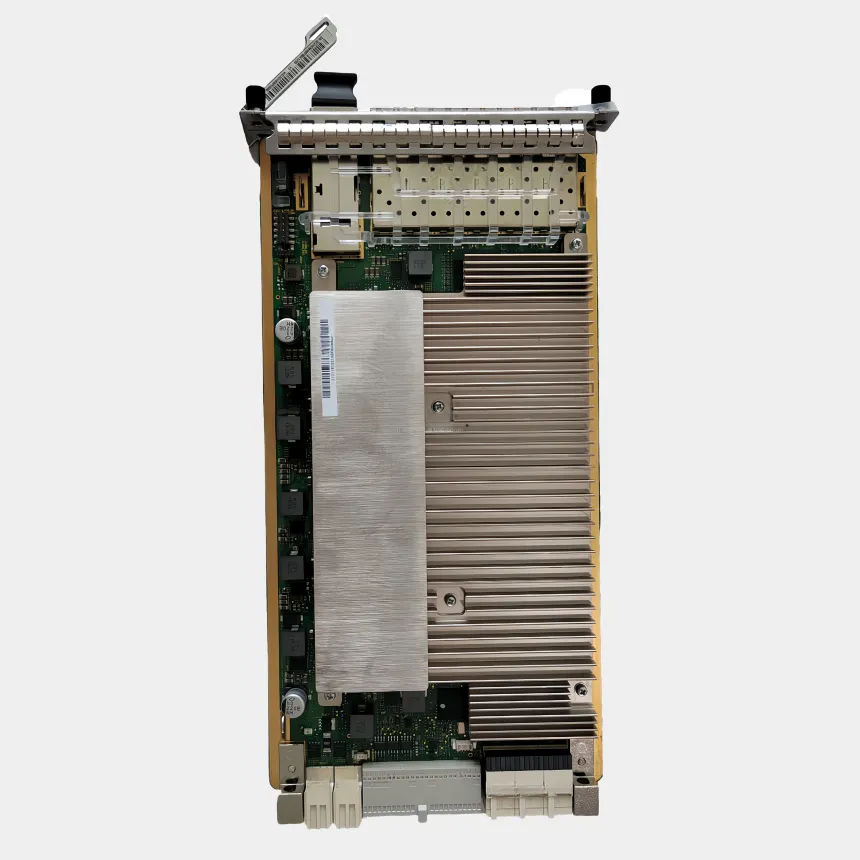
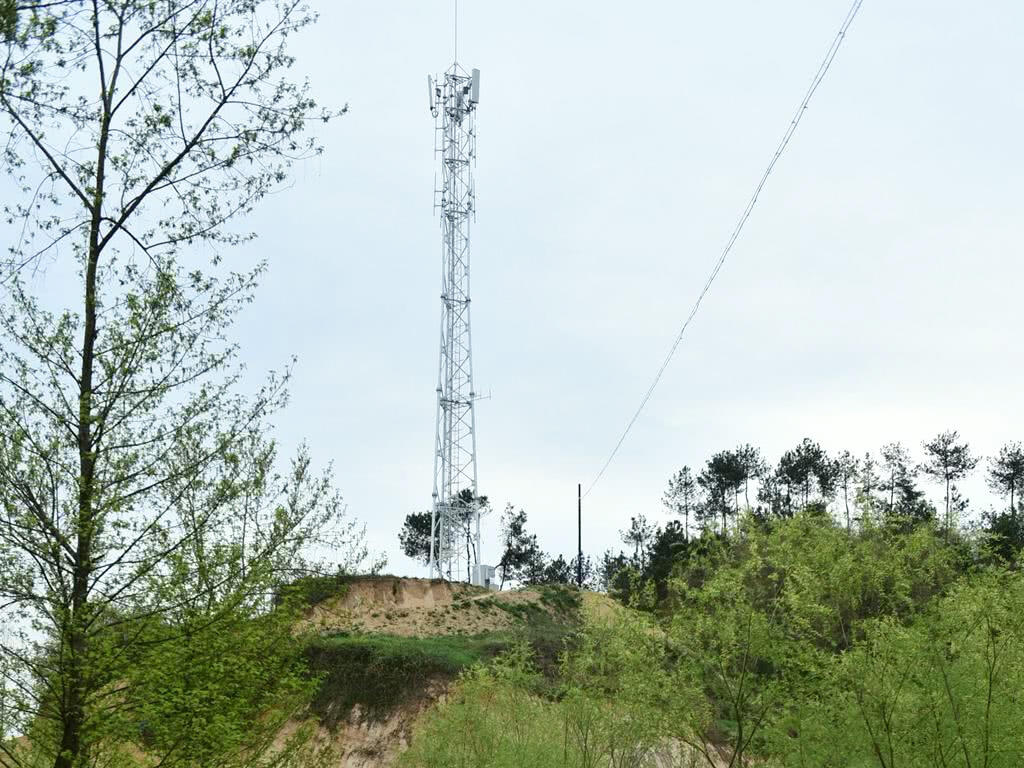
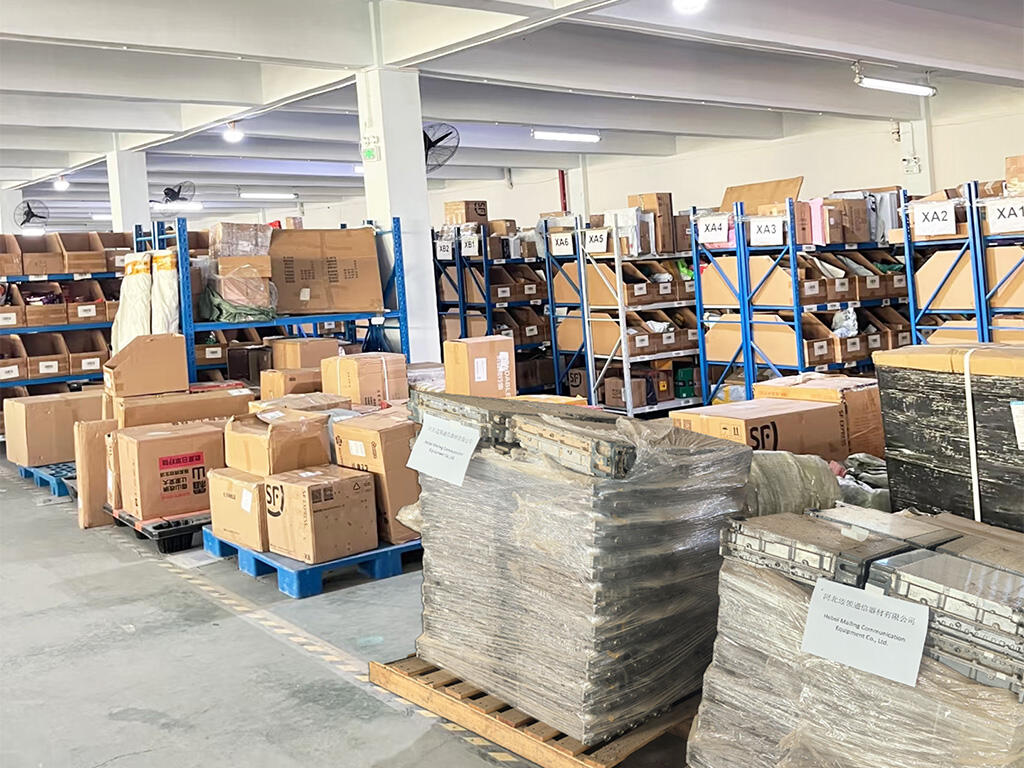
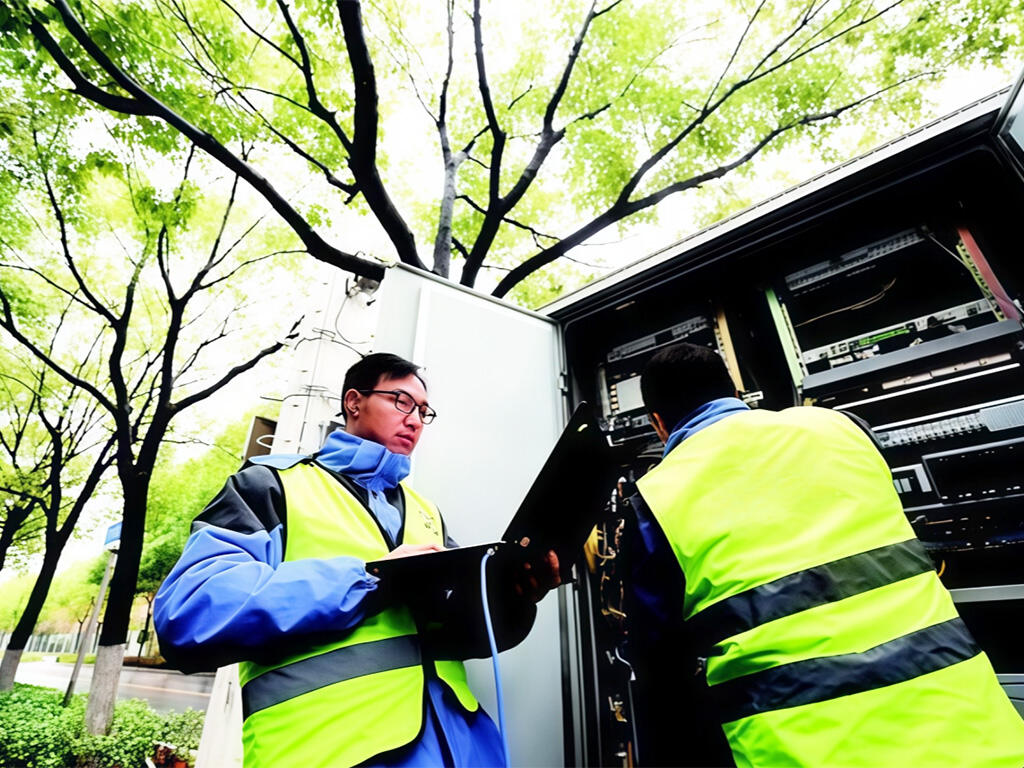
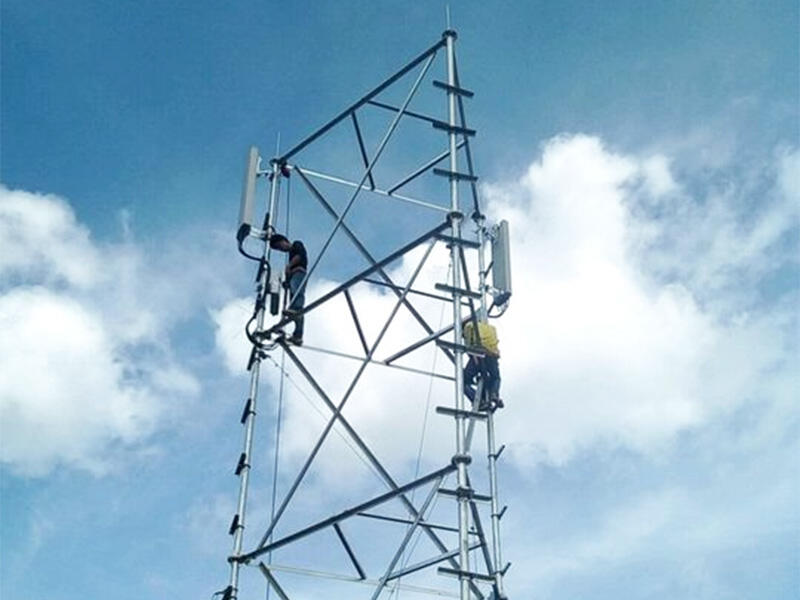
Hebei Mailing Communication Equipment Co., Ltd. offers high-quality RRU, BBU, and communication infrastructure solutions. Specializing in stable, high-strength equipment for global telecom, military, aerospace & industrial sectors. Trusted delivery worldwide.

 EN
EN