 ×
×
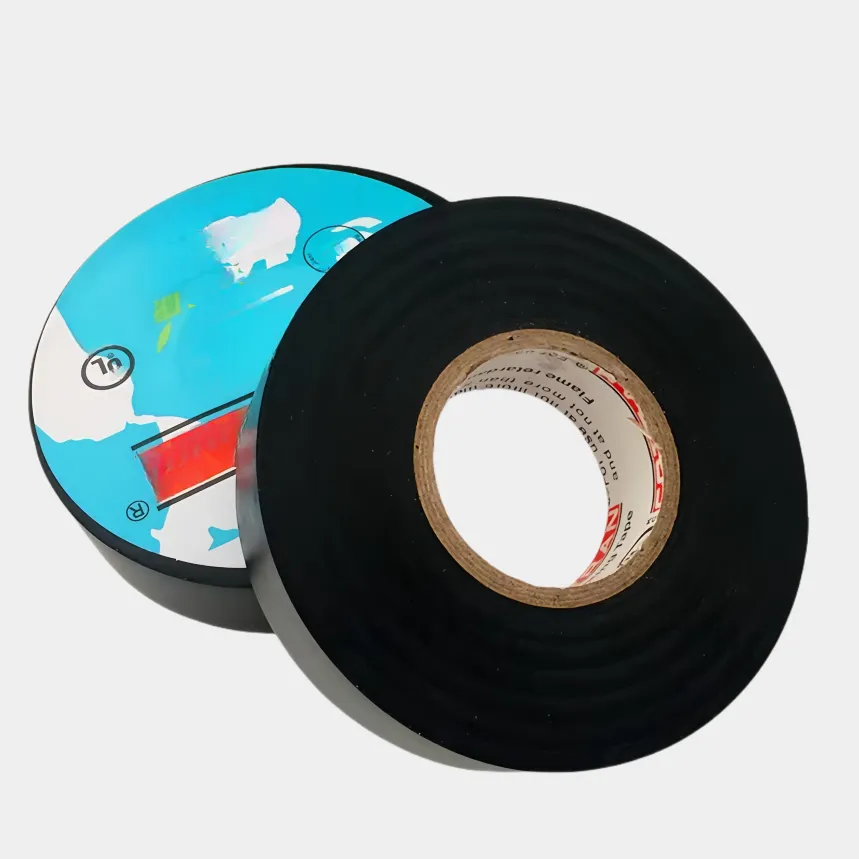
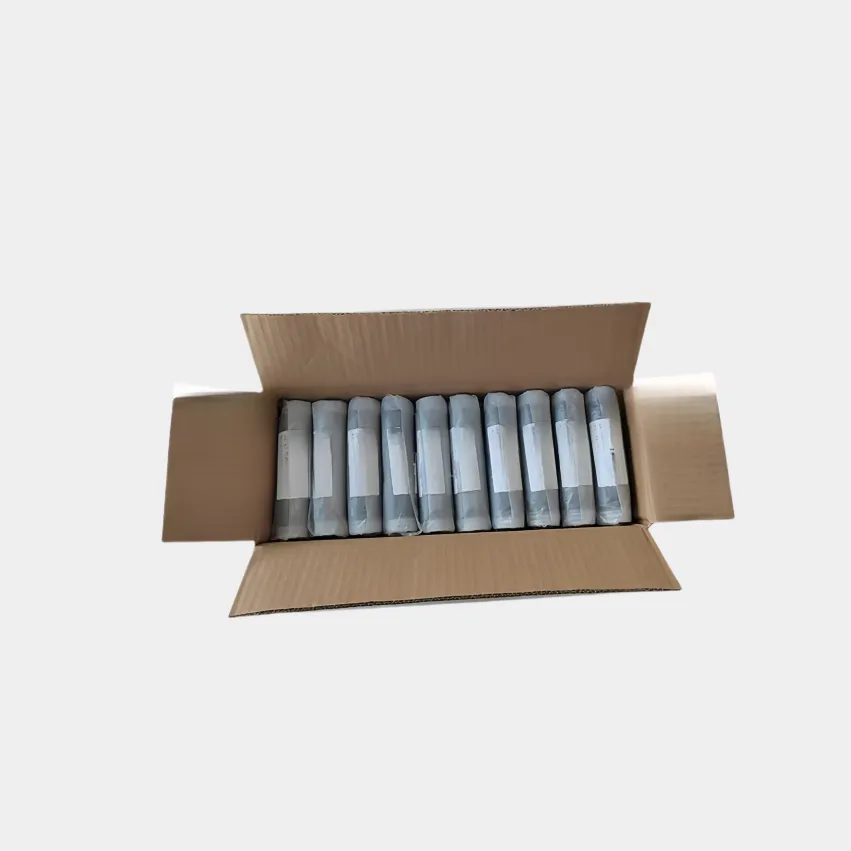
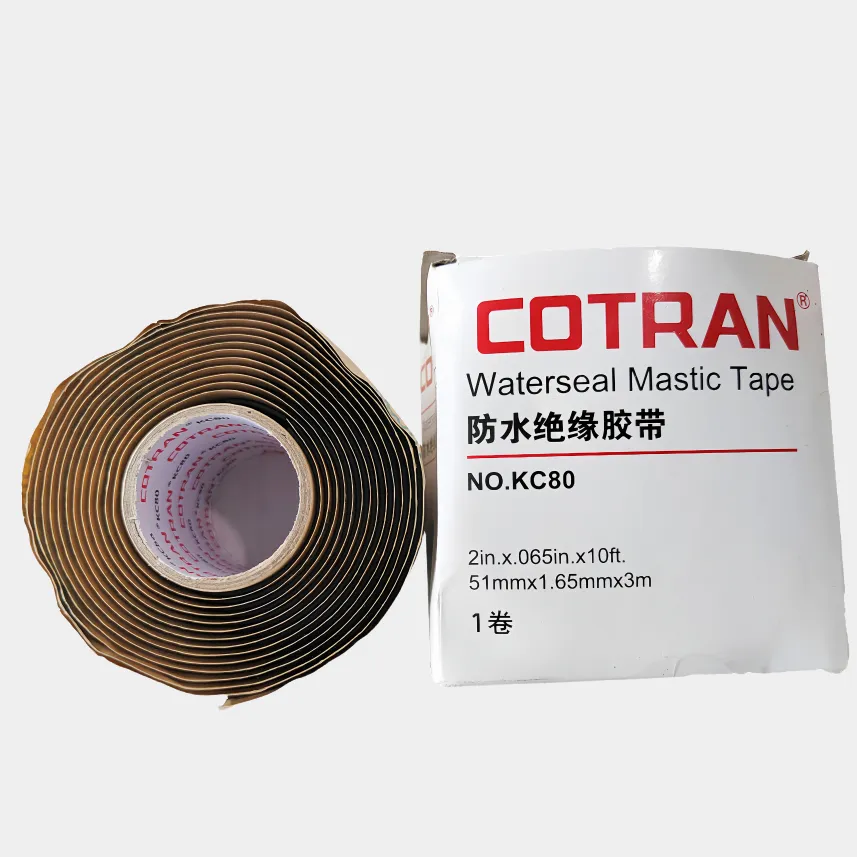
Flexible waterproof repair tape is a highly adaptable adhesive solution engineered to seal, patch, and protect surfaces in diverse environments where flexibility and water resistance are paramount. Its design prioritizes conformability to irregular shapes, making it suitable for repairing objects with curves, angles, or textured surfaces—from pipes and hoses to roofs and equipment housings. The tape typically consists of a thin, pliable backing material (such as ethylene propylene diene monomer (EPDM) rubber, butyl rubber, or reinforced silicone) paired with a high tack adhesive layer, often pressure activated to form an instant, watertight seal upon application. A defining characteristic is its elasticity, allowing it to stretch by 100 300% of its original length without tearing, enabling it to mold to surface contours and accommodate minor movement (e.g., thermal expansion in pipes). This flexibility ensures long term adhesion even when the repaired object flexes or vibrates, a critical feature in applications like automotive hoses, industrial machinery, or marine equipment. The adhesive layer, often a synthetic rubber or acrylic compound, exhibits strong bonding to a wide range of substrates: metal, plastic, rubber, wood, concrete, and fabric. Unlike traditional tapes, it adheres effectively to wet or dirty surfaces, making it ideal for emergency repairs in adverse conditions—for example, patching a leaking pipe during a flood or sealing a hole in a boat hull while on the water. Waterproofing performance is enhanced by the tape’s impermeable backing, which blocks liquid water, moisture vapor, and even some chemicals (acids, oils, fuels in industrial grade variants). Many products are UV resistant, preventing degradation in outdoor use, and temperature tolerant, withstanding extremes from 40°C to 150°C, depending on the material. This versatility allows use in contexts ranging from frozen pipes to engine bays. Common applications include plumbing repairs (sealing leaks in copper, PVC, or PEX pipes), roof patching (covering cracks in shingles or flat roofs), repairing inflatable structures (mattresses, boats), and sealing ductwork or HVAC components. In industrial settings, it fixes damaged conveyor belts, seals container lids, or protects exposed wires from moisture. For emergency services, it serves as a quick fix for broken equipment in field operations. Installation requires minimal preparation: the surface is simply cleaned of loose debris, and the tape is pressed firmly, with overlapping layers (50 75% overlap) for enhanced sealing. Some variants are self fusing, meaning the tape bonds to itself without adhering to adjacent surfaces, preventing residue and allowing for neat application. Long term durability is a key advantage high quality flexible waterproof repair tapes can last 5 10 years outdoors, resisting aging, cracking, or peeling. This longevity, combined with its ease of use (no tools required), makes it a cost effective alternative to permanent repairs in both professional and DIY scenarios, ensuring reliable protection against water damage until a more permanent solution is implemented.
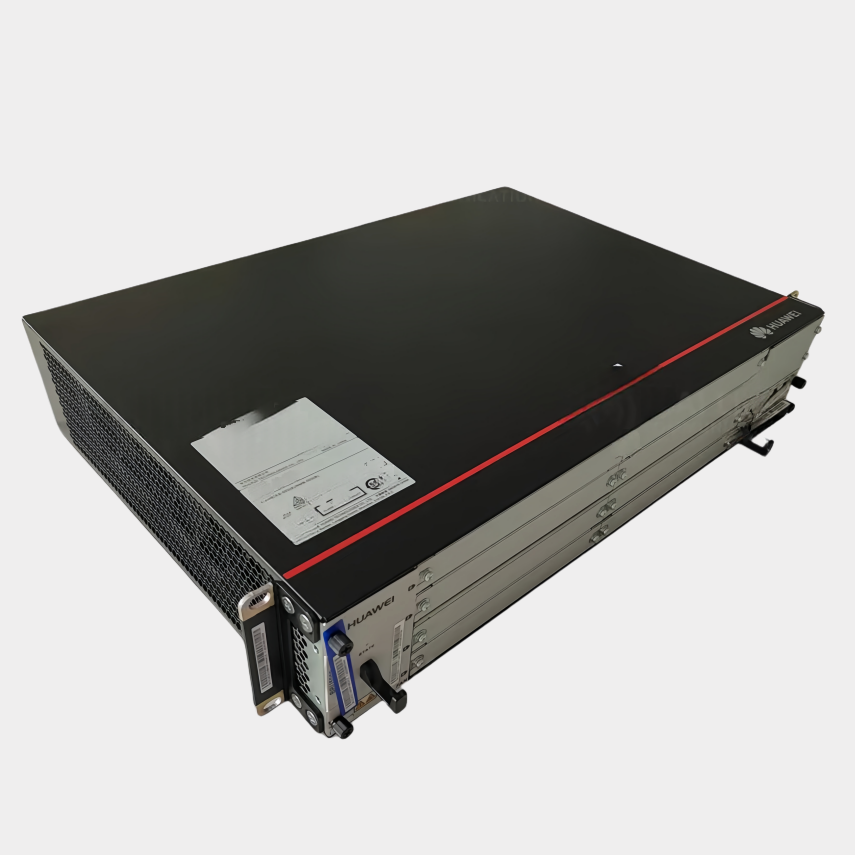
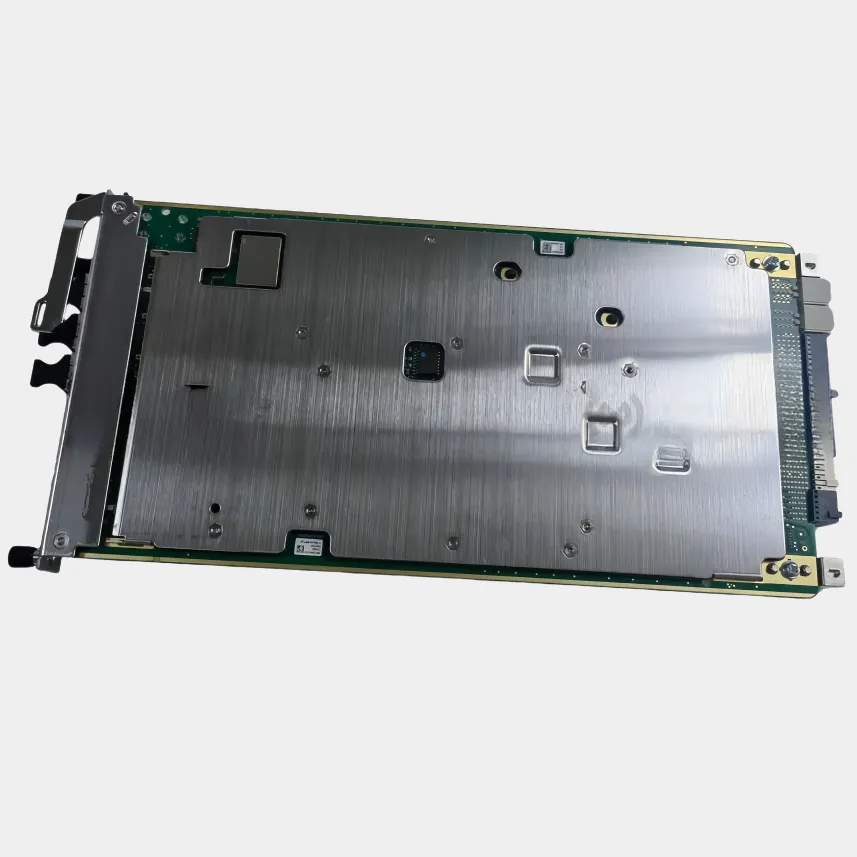
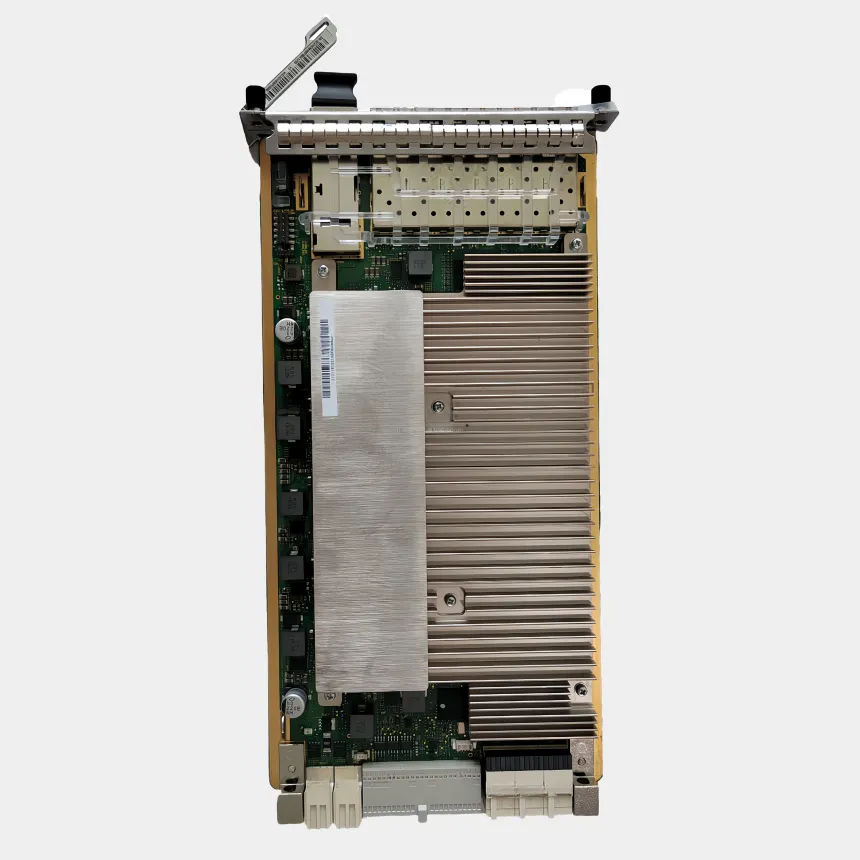
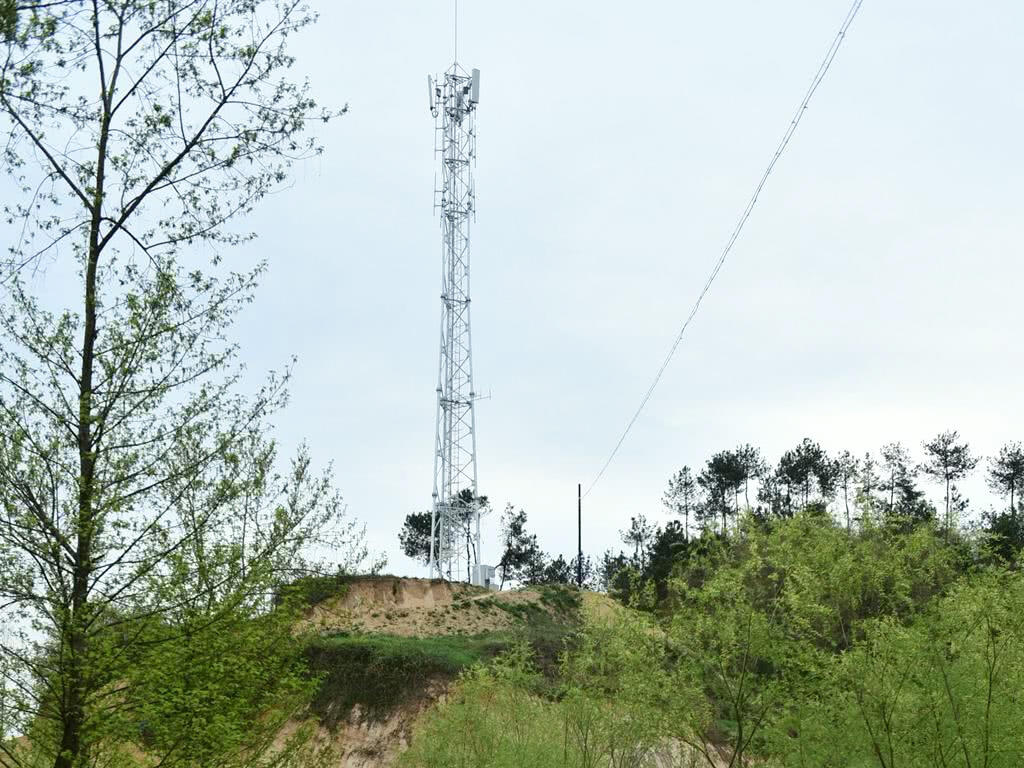
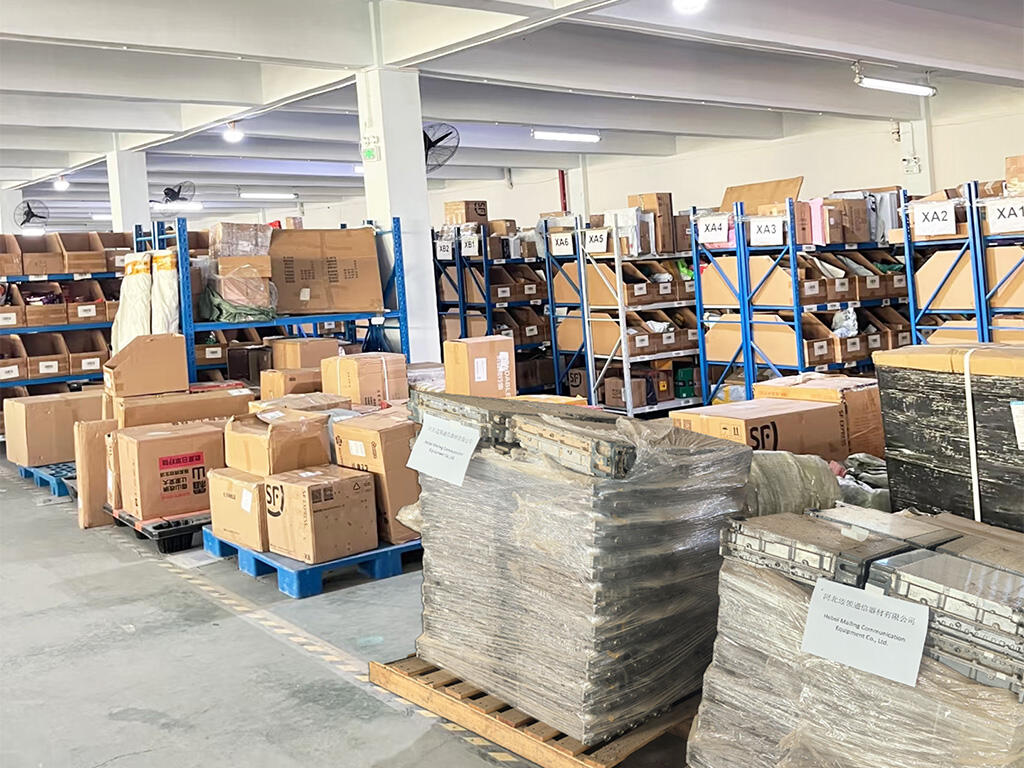
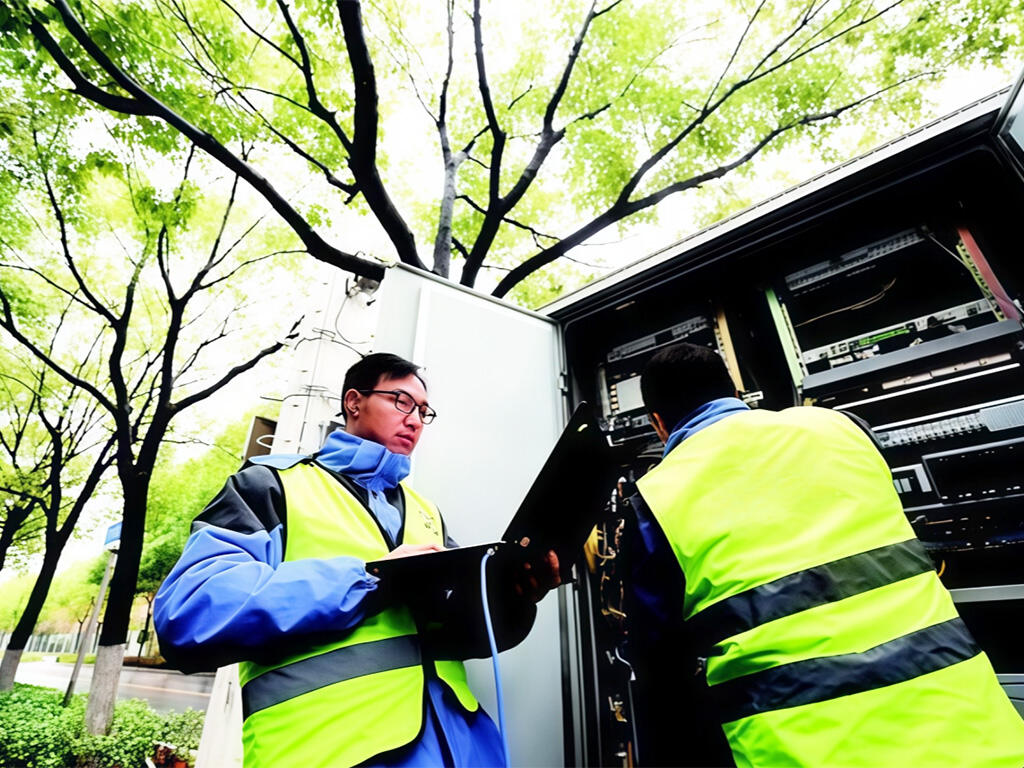
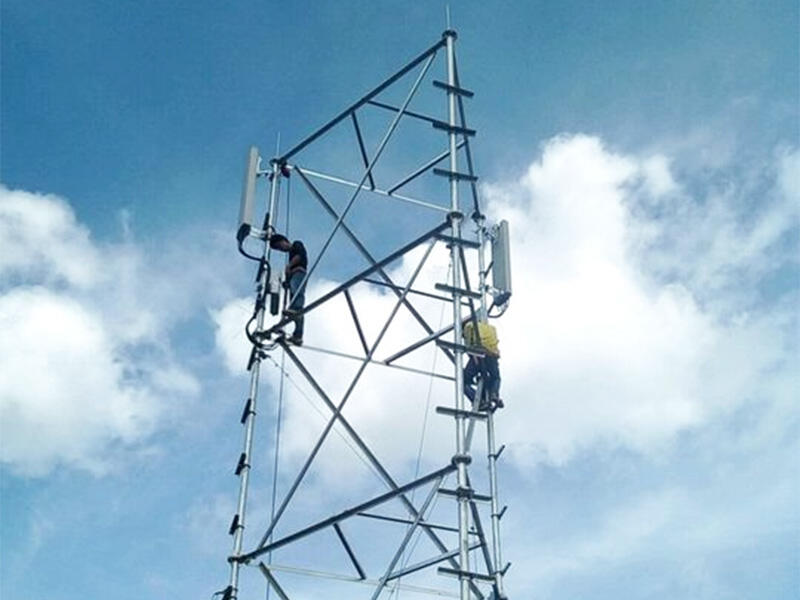
Hebei Mailing Communication Equipment Co., Ltd. offers high-quality RRU, BBU, and communication infrastructure solutions. Specializing in stable, high-strength equipment for global telecom, military, aerospace & industrial sectors. Trusted delivery worldwide.

 EN
EN