 ×
×
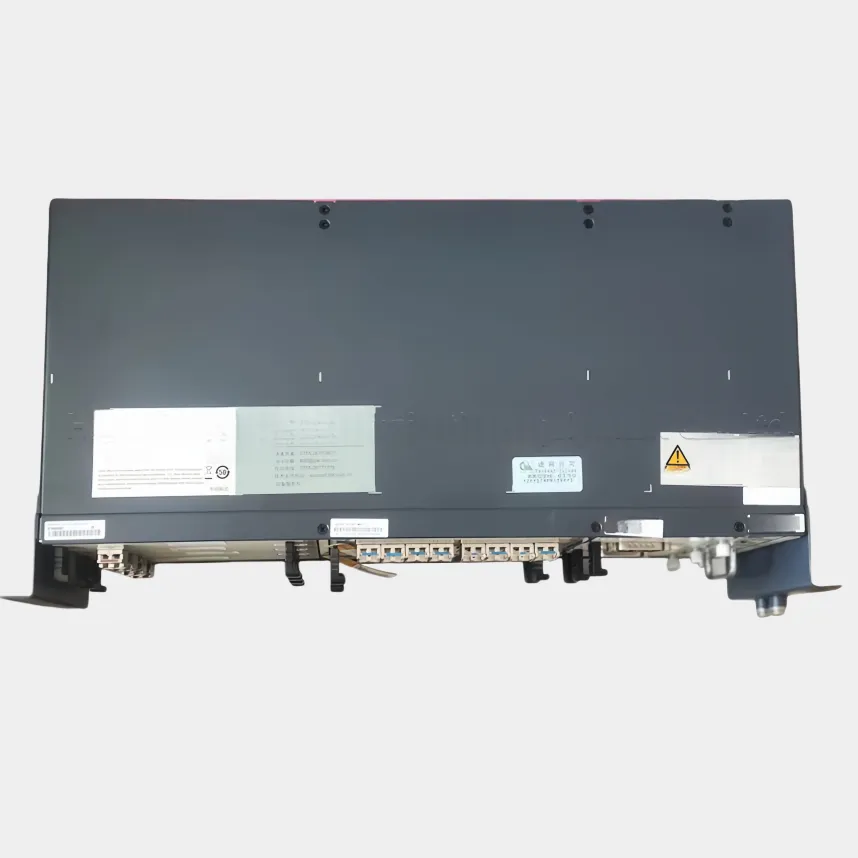
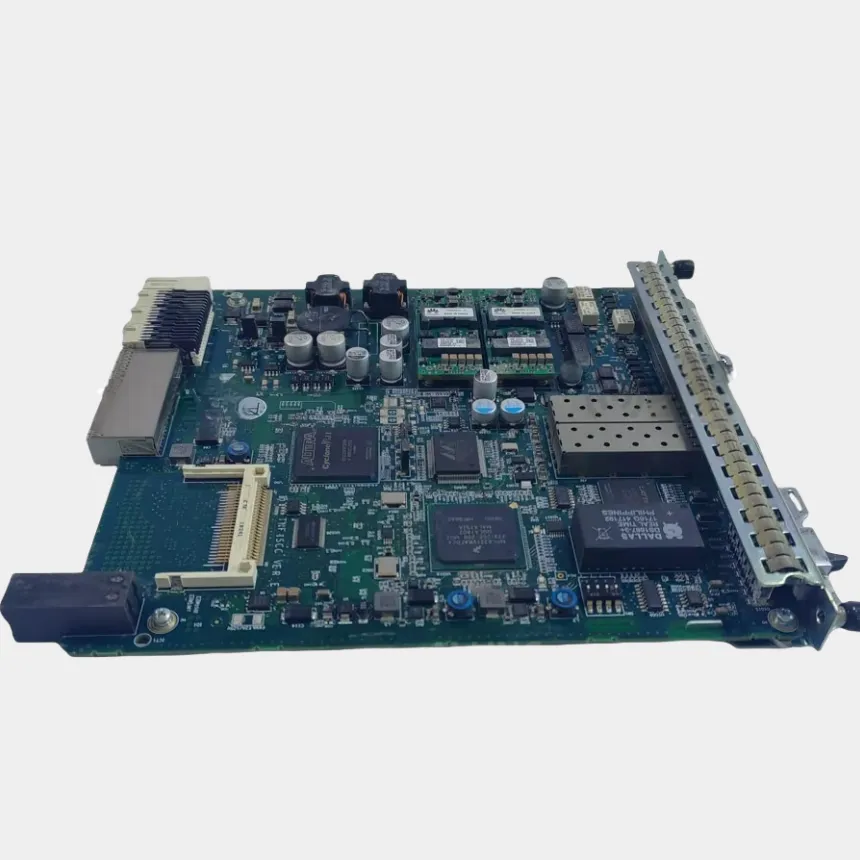
OLT (Optical Line Terminal) security protection systems are comprehensive frameworks designed to safeguard passive optical networks (PONs) against unauthorized access, data breaches, and service disruptions. As the central hub connecting multiple ONUs (Optical Network Units) in a PON, the OLT is a critical target for malicious activities, making robust security measures essential to maintain network integrity and subscriber trust. One key component of OLT security is authentication and access control. OLTs implement mechanisms such as 802.1X authentication and password based verification to ensure only authorized ONUs can connect to the network. Unique identifiers (e.g., SN, LOID) are assigned to each ONU, and the OLT validates these credentials during the registration process, preventing rogue devices from gaining access. Additionally, role based access control (RBAC) limits management interface access to authorized personnel, with different permission levels for administrators, technicians, and viewers. Data encryption is another vital layer. OLTs use encryption protocols like AES (Advanced Encryption Standard) to secure data transmission between the OLT and ONUs, preventing eavesdropping and tampering. Encryption is applied to both control signals (e.g., OAM messages) and user data, ensuring end to end confidentiality. Some OLTs also support MACsec (Media Access Control Security) for securing layer 2 communications, adding an extra layer of protection for sensitive data. Protection against denial of service (DoS) attacks is crucial for OLT availability. OLTs employ traffic policing and rate limiting to detect and block excessive or malicious traffic from specific ONUs, preventing network congestion. They also use intrusion detection systems (IDS) that monitor for abnormal patterns, such as repeated failed authentication attempts or unusual bandwidth spikes, triggering alerts or automatic mitigation measures (e.g., temporarily blocking the source). Physical security measures for OLT hardware include secure enclosures with tamper detection, which alert administrators if the device is physically accessed without authorization. Firmware security is maintained through regular updates that patch vulnerabilities, with OLTs supporting secure boot to prevent the installation of malicious firmware. Logging and auditing are integral to OLT security management. OLTs generate detailed logs of all activities, including authentication events, configuration changes, and traffic anomalies, which can be analyzed using SIEM (Security Information and Event Management) tools to identify potential threats. Regular security audits and penetration testing help identify vulnerabilities, ensuring that protection systems remain effective against evolving threats. Compliance with industry standards (e.g., ITU T G.988, GDPR) further ensures that OLT security measures meet global requirements for data protection and network reliability.
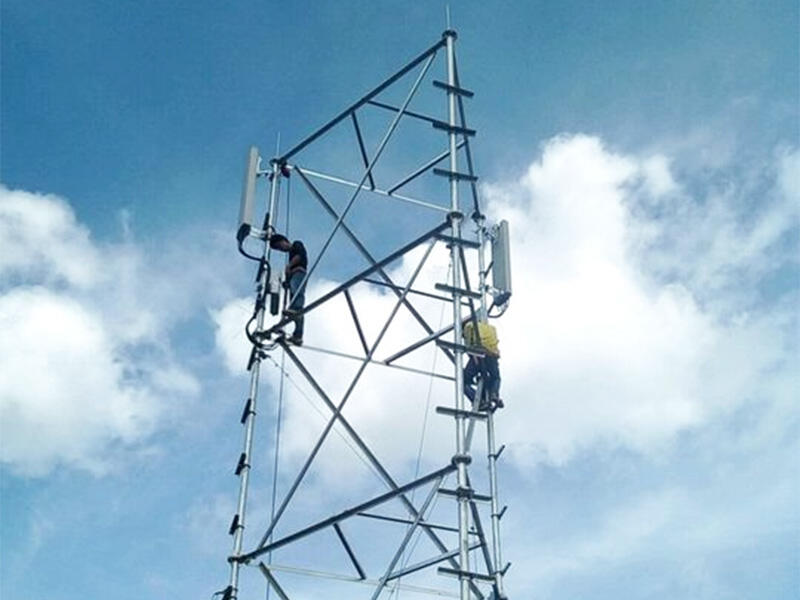
Hebei Mailing Communication Equipment Co., Ltd. offers high-quality RRU, BBU, and communication infrastructure solutions. Specializing in stable, high-strength equipment for global telecom, military, aerospace & industrial sectors. Trusted delivery worldwide.





 EN
EN