 ×
×
The correlation between optical transceiver speed and wavelength is key to optical communication, influencing signal integrity, distance, and capacity. Transceivers operate across speeds (1Gbps to 800Gbps+) and wavelengths (850nm to 1650nm), with bands like O, C, and L serving distinct roles. This link stems from light’s fiber behavior: attenuation (signal loss) and dispersion (pulse spreading). 850nm has high attenuation (~2.5dB/km), suiting short-reach (≤300m) data centers with multimode fiber for 10G/40Gbps. 1310nm and 1550nm offer lower loss (~0.3–0.4dB/km), enabling longer distances—1310nm works for 10Gbps over 40km (near zero dispersion), while 1550nm/C-band (1530–1565nm) minimizes loss, pairing with EDFAs for long-haul high speeds (400G/800Gbps over thousands of km). Higher speeds (400G+/800G+) face greater dispersion risk. They use advanced modulation (e.g., 16QAM for 400Gbps) with C-band, where dispersion is manageable. C-band also supports WDM/DWDM, packing 400Gbps channels at 50GHz spacing to boost capacity. Applications drive pairings: short-reach uses 850nm; medium-reach (10–80km) relies on 1310nm/C-band; long-haul uses C/L-band with coherent transceivers. Emerging 1.6Tbps systems explore extended L-band to avoid C-band congestion. In short, wavelength dictates reach and compatibility; speed demands modulation/dispersion management. This interplay optimizes transceiver performance for their environment.
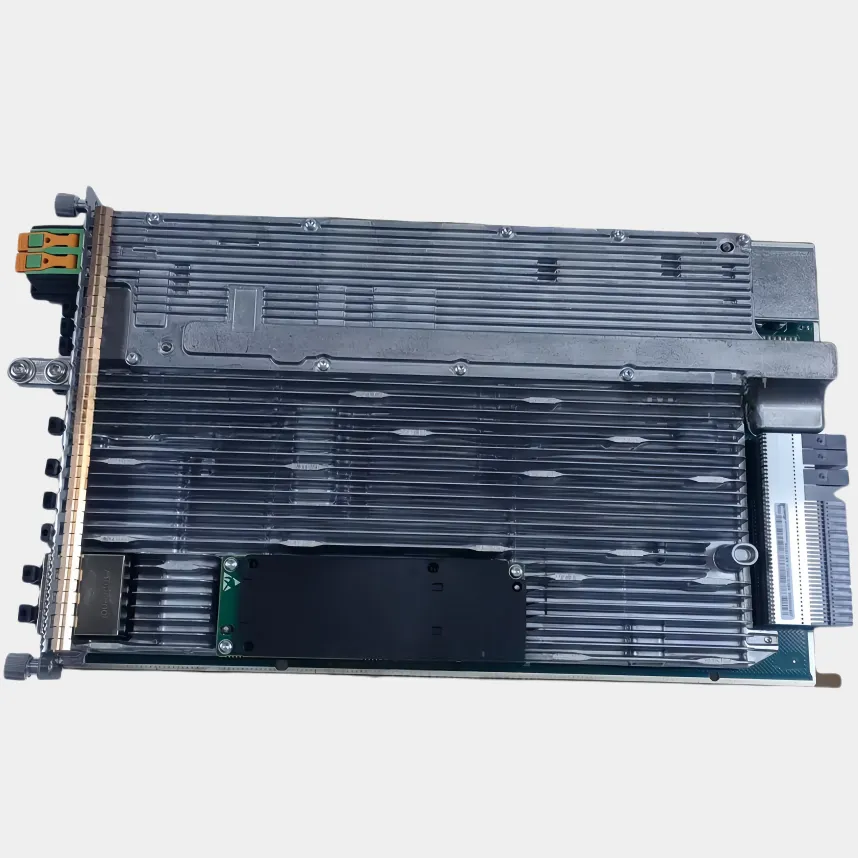
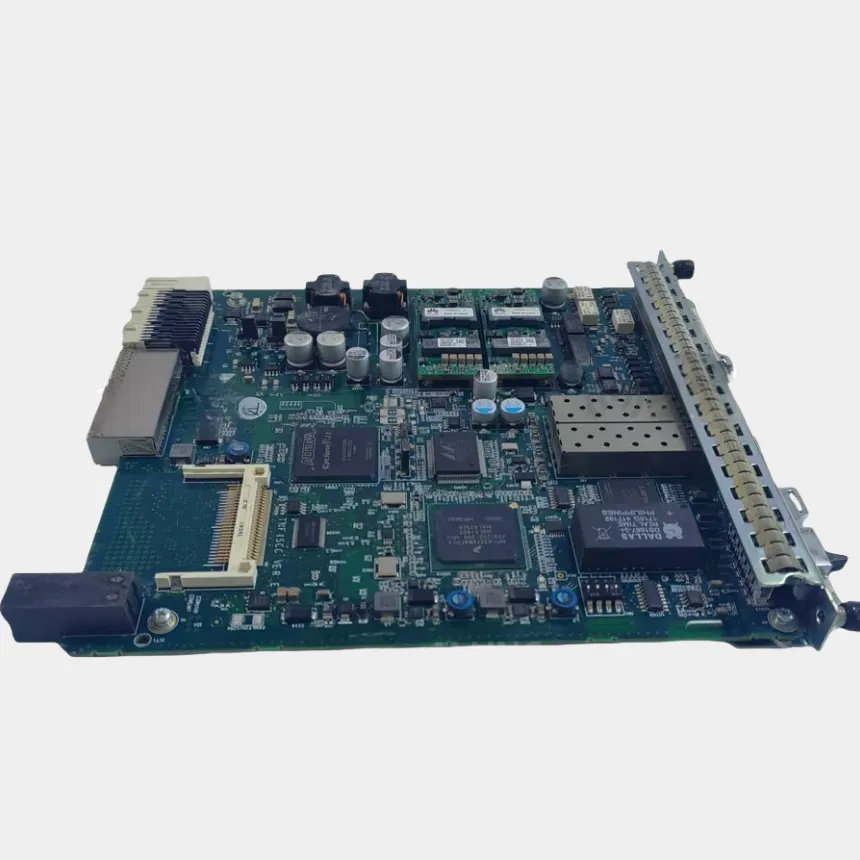
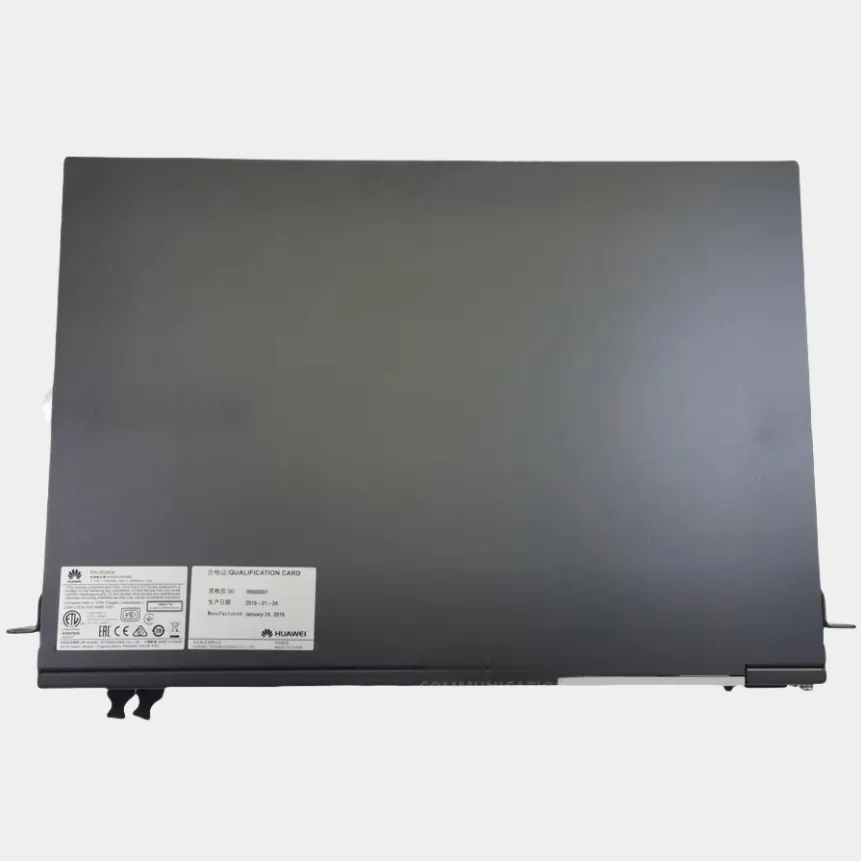
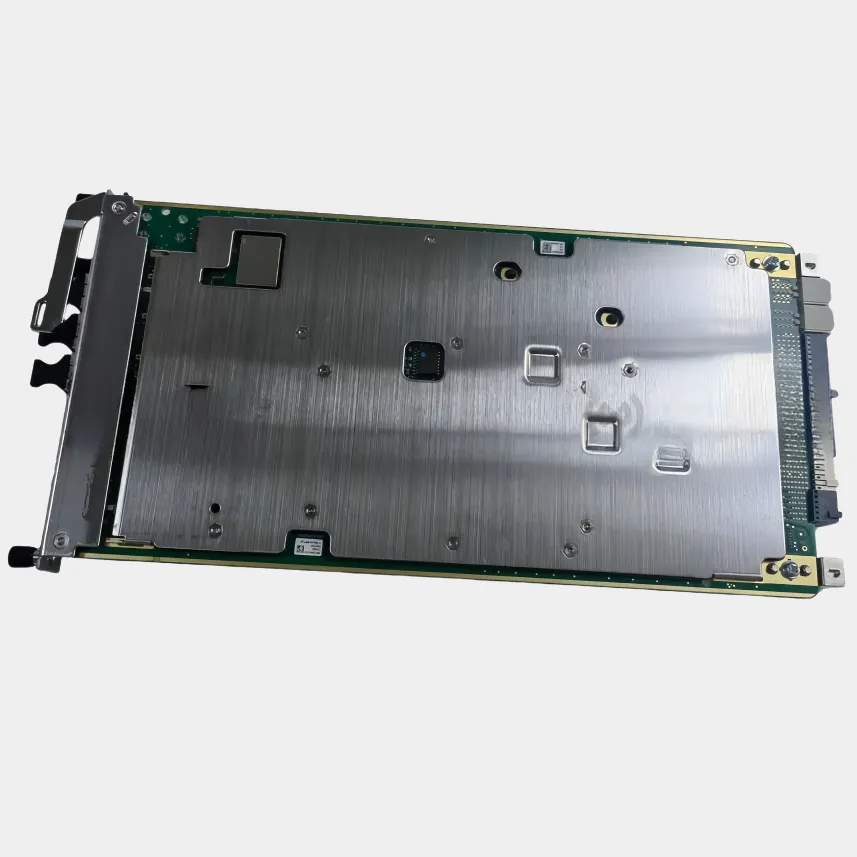
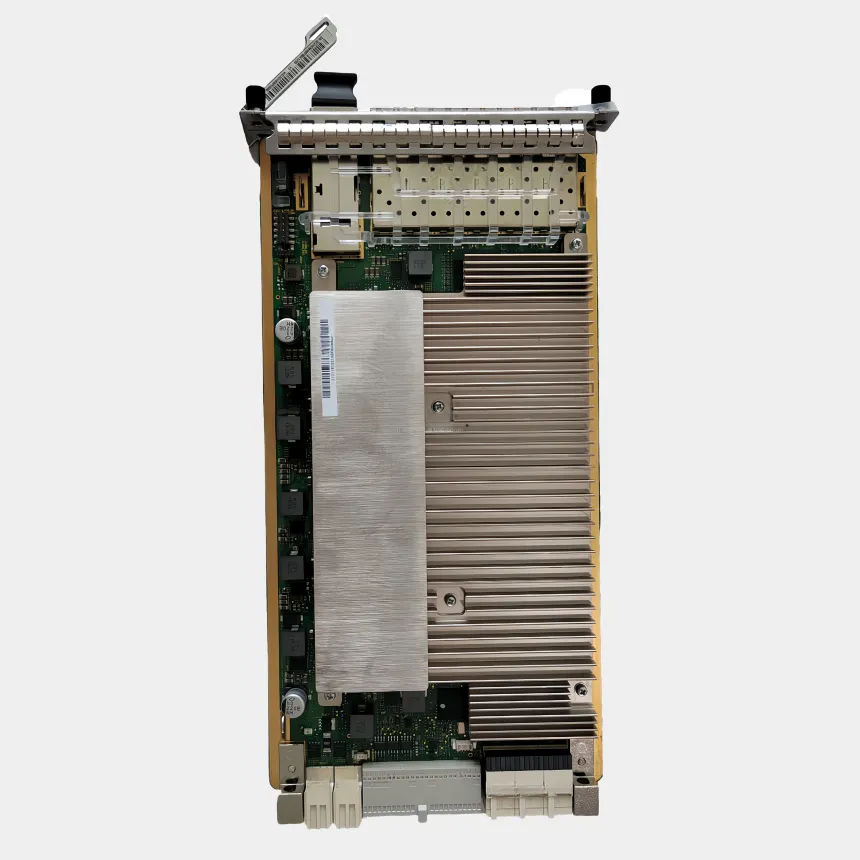
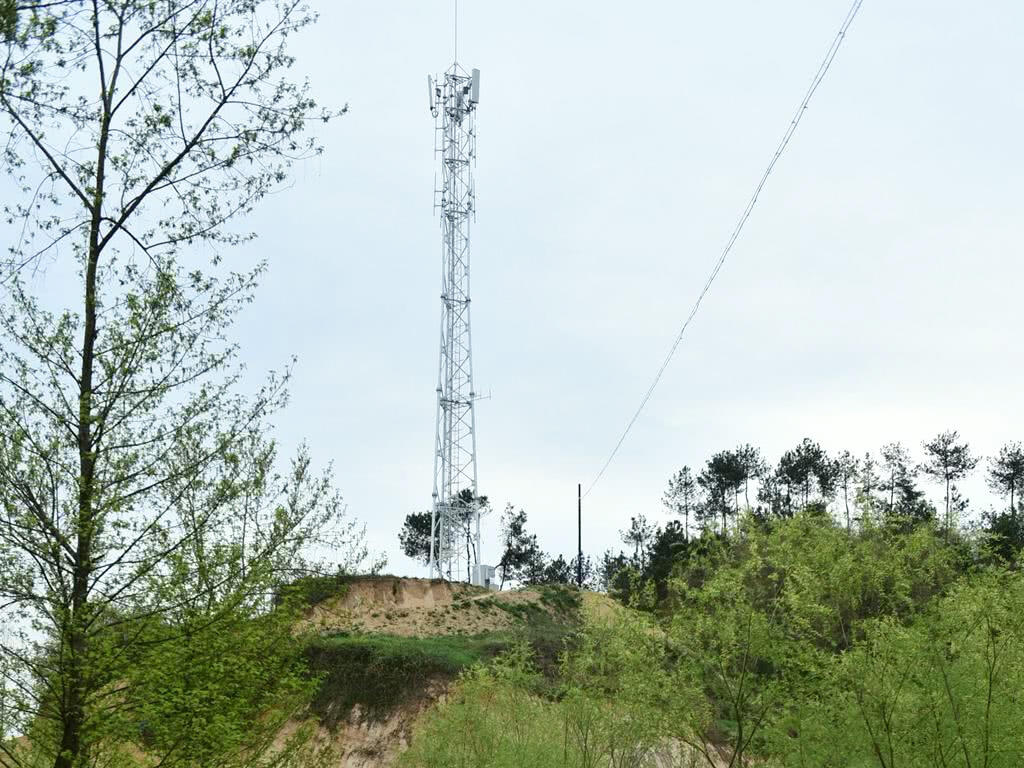
Hebei Mailing Communication Equipment Co., Ltd. offers high-quality RRU, BBU, and communication infrastructure solutions. Specializing in stable, high-strength equipment for global telecom, military, aerospace & industrial sectors. Trusted delivery worldwide.



 EN
EN