 ×
×
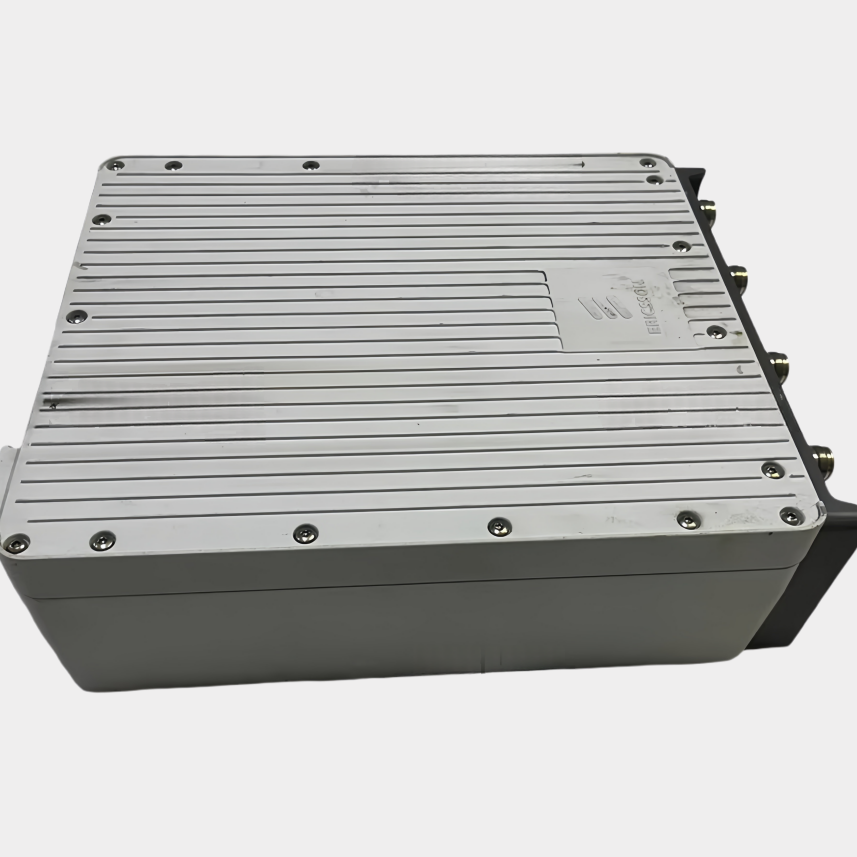
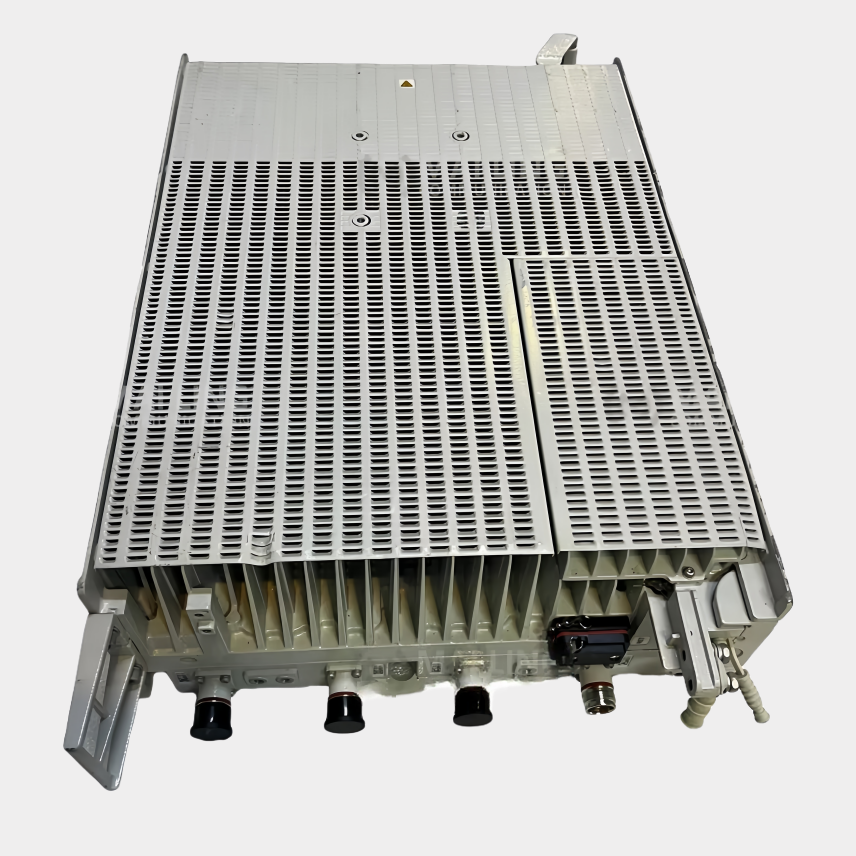
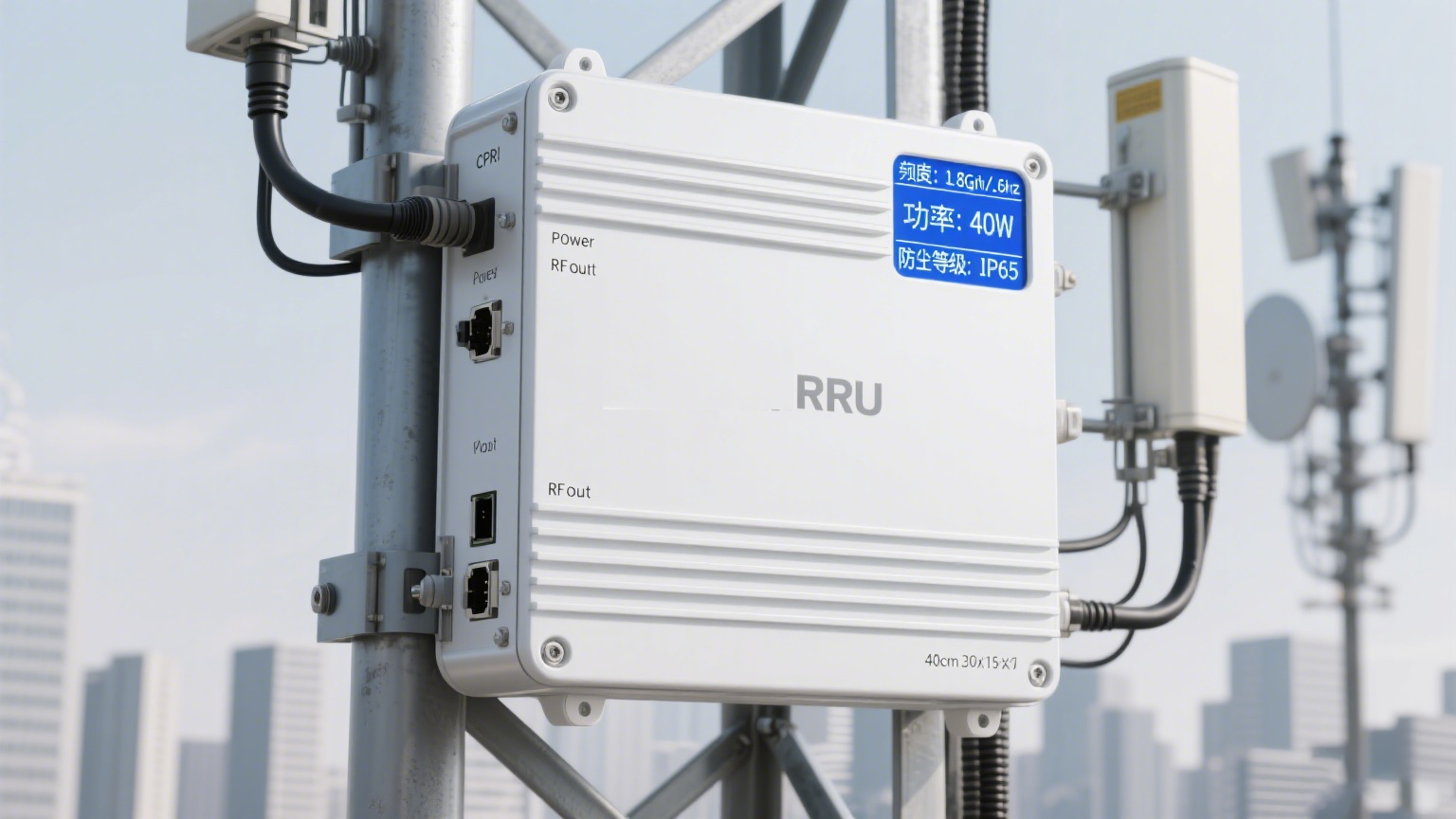
The Remote Radio Unit, or RRU, acts as the central point for RF processing in today's communication towers. These units are separated from baseband equipment so they can work within distributed radio access networks. When placed close to the top of cell towers, RRUs cut down on signal loss that happens over long coaxial cables. This setup typically reduces feeder losses around 3 dB mark and makes better use of available spectrum space. At the tower itself, these devices take care of converting digital signals to analog format, boost signal strength, and shift frequencies right where needed. This supports cutting edge 5G features such as beamforming technology and those big MIMO arrays we hear about so much. Most models come built tough enough to handle temperatures ranging from minus 40 degrees Celsius all the way up to plus 55, which means they keep working even when conditions get really extreme something regular base stations just cant manage.
When we separate RF functions from baseband processing, it really changes how scalable cell towers can be. Back in the day, traditional Base Transceiver Stations had everything packed together in one location. Any upgrade meant dealing with complicated structural changes that nobody wanted to tackle. Now with RRU setups, things work differently. The baseband units get centralized somewhere, while those lighter radio units spread out across multiple towers. What this does is turn what used to be fixed installations into flexible RF platforms instead. There are actually several benefits worth mentioning here:
This approach future-proofs infrastructure for 5G expansion and beyond.
The efficiency of power amplifiers plays a big role in how much energy gets consumed and how hot things get inside those tower-mounted remote radio units. These days, gallium nitride based models typically hit around 45 to 55 percent efficiency, which means lower bills for running costs and less heat building up over time. When it comes to 5G networks, particularly when using millimeter wave frequencies, maintaining good linearity becomes just as important. If an amplifier isn't linear enough, it creates what engineers call spectral regrowth that messes up neighboring frequency bands. According to recent research from Wireless Tech Journal last year, improving linearity by just one decibel can expand coverage area by approximately 8 percent in crowded city areas and reduce customer complaints about interference by nearly 17 percent. Real world operators need to weigh all these factors against what their towers can actually handle in terms of electrical supply and cooling systems.
Three interconnected metrics define RRU reception quality and future-readiness:
| Deployment Scenario | Critical Metric | Performance Target |
|---|---|---|
| Urban High-Rise | Beamforming | ≈3° beamwidth |
| Rural Wide-Area | Noise Figure | <1.8 dB |
| Suburban Hybrid | MIMO Layers | 4×4 minimum |
Field tests show beamforming-capable RRUs improve edge-user throughput by 40% in cities and reduce handover failures. Meanwhile, ultra-low NF is essential for maintaining connectivity during atmospheric attenuation in mountainous or remote regions.
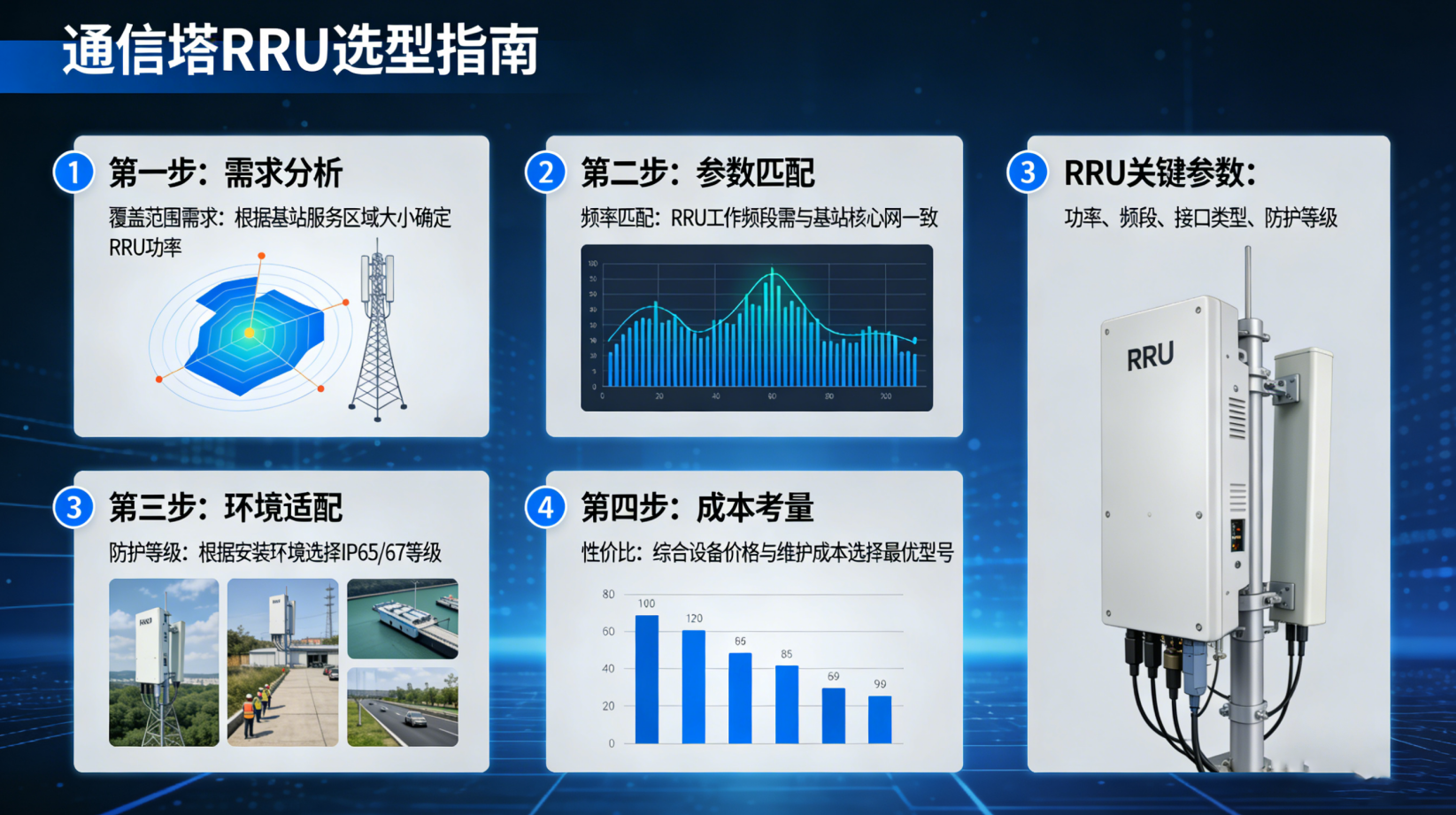
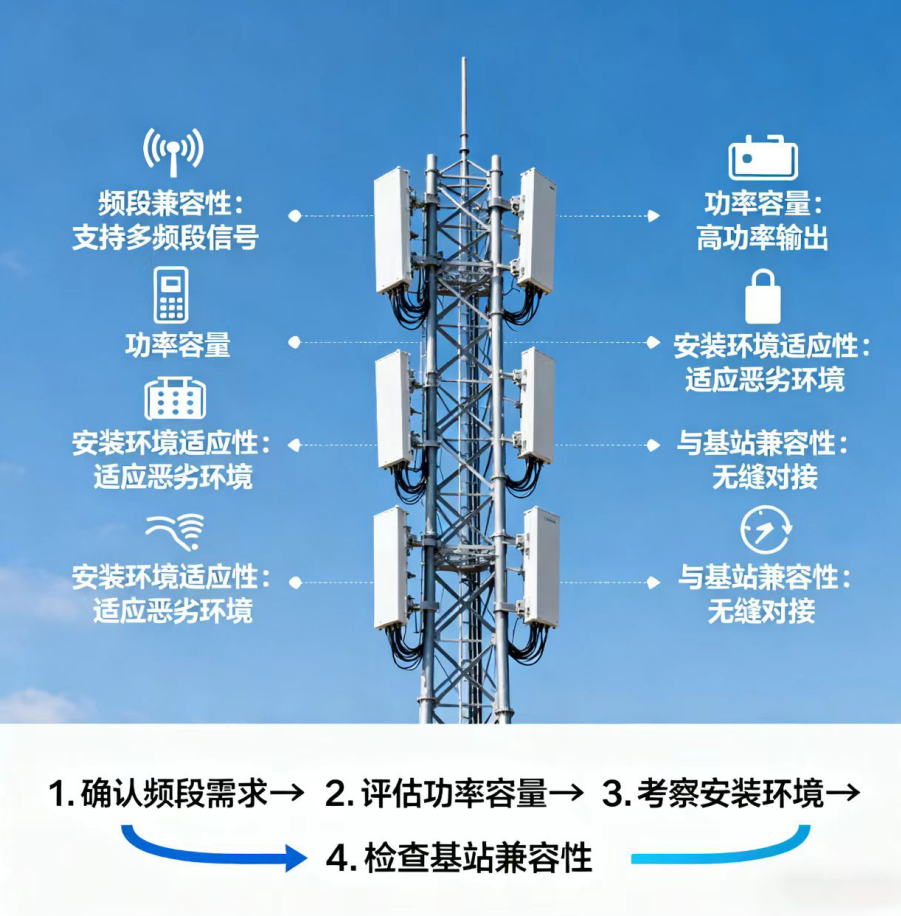
When choosing an RRU, it's important to check if it works with both existing and future frequency bands ranging from 600 MHz all the way up to 3.8 GHz. The equipment should also handle LTE, 5G New Radio (NR) as well as older technologies such as 3G without any issues. Power amplifiers made from Gallium Nitride (GaN) can reach impressive energy efficiencies around 94%, which is great news for operators dealing with complex carrier aggregation scenarios across multiple bands. Network planners need to make sure their selected bands match what's available locally in the spectrum, otherwise they risk creating dead zones or causing unwanted signal interference problems. Getting compatibility right with Open RAN standards makes things much easier when working with different vendors on the same towers, giving telecom companies more options and better adaptability as networks continue evolving over time.
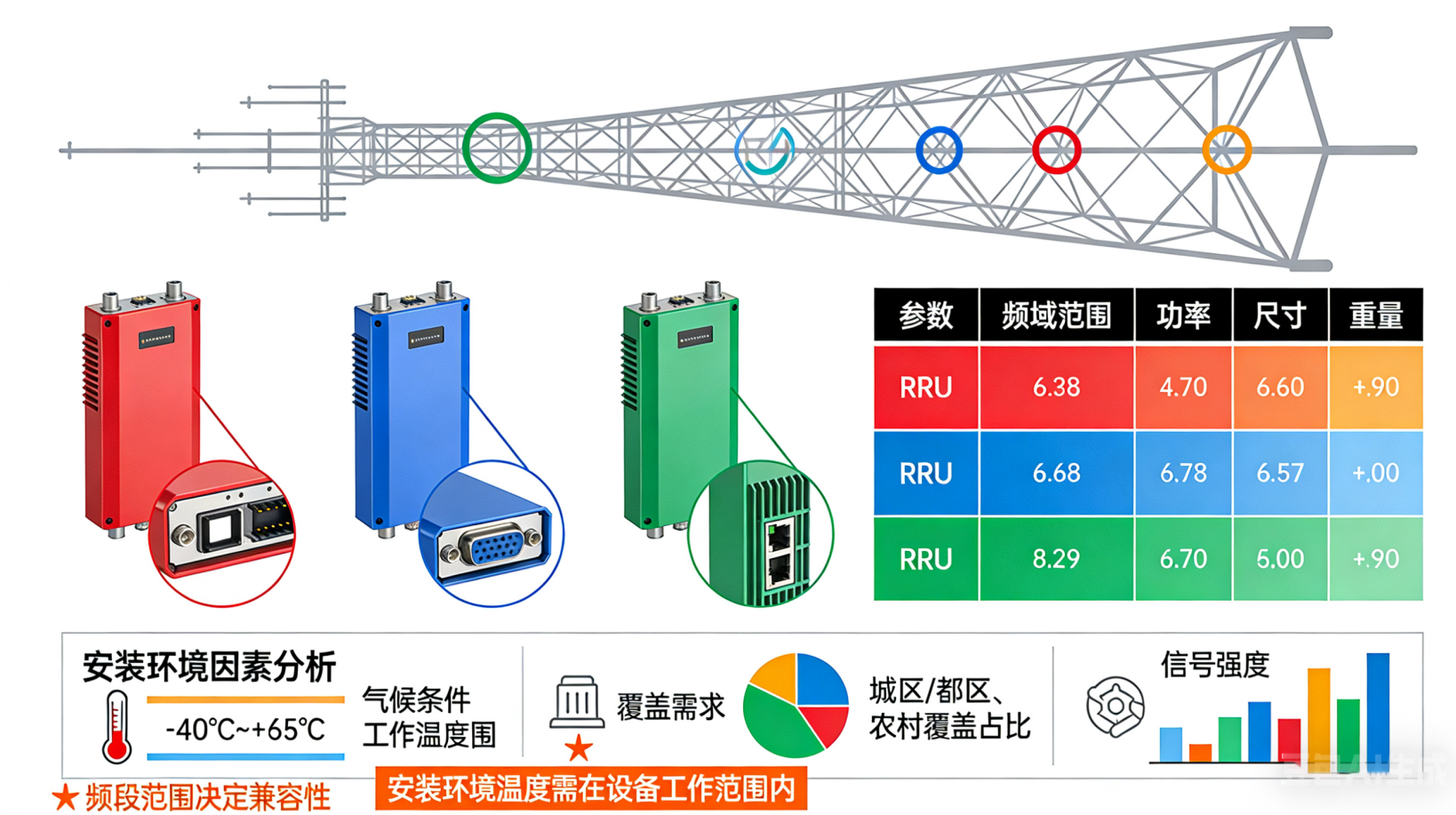
Remote Radio Units installed on cell towers must withstand harsh environmental conditions, which requires substantial protection against the elements. Equipment with an IP65 rating or better stands up well against dust infiltration, moisture damage, and even the corrosive effects of sea salt in coastal areas. These units need to function reliably in temperatures ranging from as low as -40 degrees Celsius all the way up to 55 degrees Celsius without significant degradation in performance. A study published by the Ponemon Institute last year showed something alarming about thermal management issues. When systems don't handle heat properly, failure rates skyrocket by around three times what they should be, leading to annual costs exceeding seven hundred forty thousand dollars per operator due to unexpected downtime and equipment replacement needs. Modern solutions incorporate artificial intelligence for active cooling systems that keep temperatures under control at below 45 degrees Celsius even when handling high power multi-input multi-output operations. Specialized enclosures designed to resist corrosion along with sealed pressure systems make a noticeable difference too. Field tests indicate such protective measures can actually double the useful life of hardware components in challenging environments like factories or seaside locations compared to regular equipment.
The decision between CPRI and eCPRI really comes down to what kind of backhaul limitations exist at any given location. CPRI works well across different vendors but requires serious bandwidth resources around 24 point 3 gigabits per antenna and can only stretch fiber connections about 20 kilometers max. On the flip side, eCPRI cuts down bandwidth requirements roughly 60 percent thanks to those functional split features, which makes it a smarter choice when fiber availability becomes tight during 5G network expansion. The downside? Its signal doesn't travel as far maybe around ten kilometers so extra aggregation points become necessary in many rural areas where coverage matters most. What sets eCPRI apart though is support for virtualization and cloud RAN systems that actually reduce the need for technicians to climb towers by approximately thirty percent according to recent industry data from 2023 maintenance reports.
When placing RRUs, engineers face a tough choice between maintaining good RF performance and keeping costs down. Putting everything at the tower base makes things easier for power supply and cooling needs, but comes with a price tag. Signal losses can reach around 4 dB when running coax cables longer than 100 meters, which is no small issue for those working with mmWave 5G signals. On the flip side, mounting units close to the antennas keeps the signal quality intact, but adds about 25% to operating expenses because of the need for rugged protective cases and frequent climbs up the tower for maintenance. At higher frequencies, even minor losses matter a lot. Just half a decibel drop reduces coverage area by roughly 6%. That's why many operators prefer distributing equipment across urban towers where signal strength matters most. However, in rural areas or places that are tough to get to regularly, going with centralized setups actually saves money over time despite needing thicker coax lines. The decision always depends on what makes sense for each particular site situation.
An RRU, or Remote Radio Unit, is used for RF processing in communication towers. It helps reduce signal loss, enhances spectrum utilization, and supports technologies like 5G.
RRUs decouple RF functions from baseband processing, making towers more scalable, reducing power consumption, and simplifying technology upgrades compared to traditional Base Transceiver Stations.
Key metrics include power amplifier efficiency, noise figure, MIMO support, and beamforming readiness, which are crucial for optimizing coverage, reducing interference, and enhancing connectivity.
Frequency band compatibility ensures that RRUs can handle multiple technologies, like LTE and 5G, across various frequency bands, preventing dead zones and interference issues.
RRUs must have thermal resilience, IP ratings for environmental protection, and support for extreme temperatures, ensuring reliable performance in harsh outdoor conditions.
Centralized placement simplifies power and cooling needs but may suffer from signal loss, while distributed placement maintains signal quality but increases operational expenses.
 Hot News
2025-09-30
2025-08-30
2025-07-28
2025-06-25
2025-03-12
2025-03-12
Hebei Mailing Communication Equipment Co., Ltd. offers high-quality RRU, BBU, and communication infrastructure solutions. Specializing in stable, high-strength equipment for global telecom, military, aerospace & industrial sectors. Trusted delivery worldwide.


 EN
EN