 ×
×
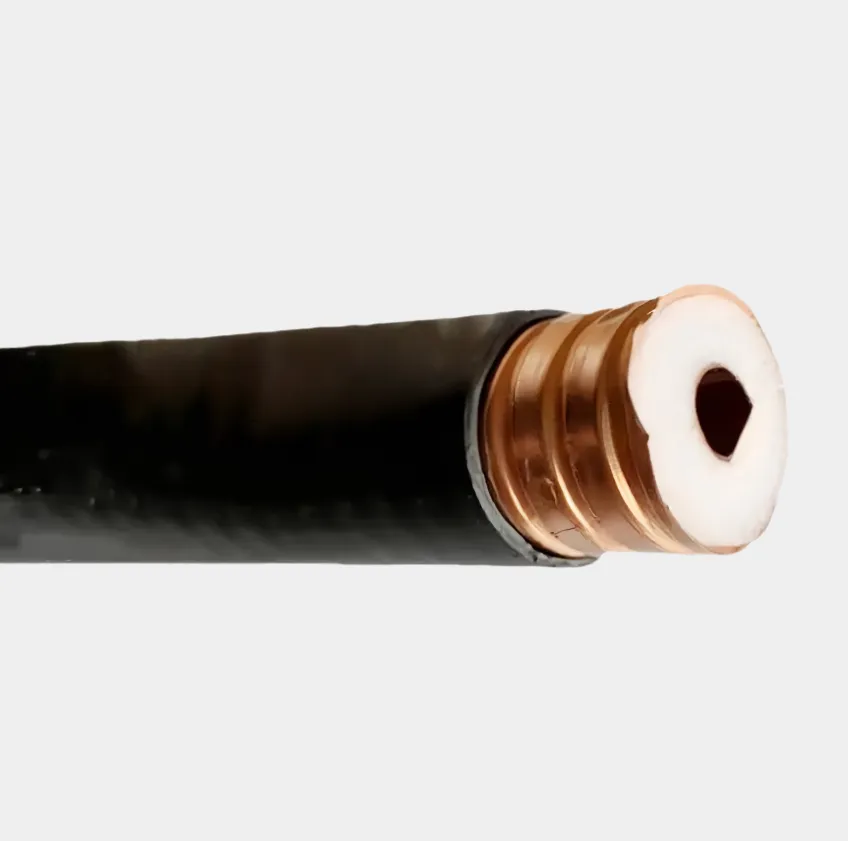
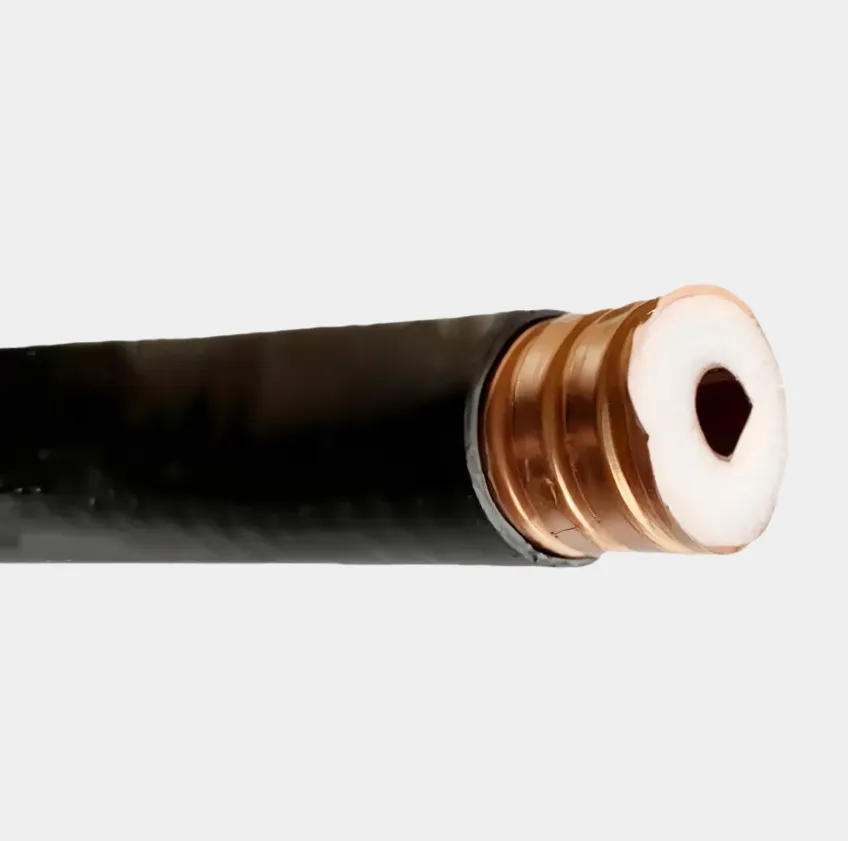
RF cable standing wave ratio (SWR) analysis is a critical technique used to evaluate the efficiency and performance of radio frequency (RF) cables in wireless communication systems. SWR is a measure of the mismatch between the impedance of the RF cable and the impedance of the connected components, such as antennas, transmitters, or receivers. A low SWR indicates a good impedance match, allowing maximum power transfer from the transmitter to the antenna, while a high SWR indicates a mismatch that can cause power reflections, reducing signal strength and potentially damaging equipment. SWR is calculated as the ratio of the maximum voltage to the minimum voltage of the standing wave formed along the RF cable due to reflected power. The ideal SWR is 1:1, meaning no power is reflected, but in practical applications, an SWR of 1.5:1 or lower is generally considered acceptable for most wireless systems. RF cable SWR analysis involves using specialized equipment such as SWR meters or vector network analyzers to measure the SWR at various frequencies within the cable's operating range. This measurement provides valuable insights into the condition of the cable, including potential issues such as damaged connectors, kinks, moisture ingress, or improper installation. One of the key reasons SWR analysis is important is its impact on signal loss. A high SWR causes significant power reflections, which reduce the amount of power reaching the antenna, resulting in weaker signal coverage and lower data transmission rates. In extreme cases, reflected power can overheat the transmitter, leading to equipment failure and costly repairs. SWR analysis also helps in troubleshooting network issues. For example, if a network experiences sudden drops in signal strength, measuring the SWR of the RF cables can identify whether the problem is due to a cable fault or a mismatch with other components. By pinpointing the location of the mismatch using techniques such as time domain reflectometry (TDR), technicians can efficiently repair or replace the faulty section of the cable. Additionally, SWR analysis is essential during the installation and commissioning of RF systems. It ensures that cables are properly terminated, connected, and routed to minimize impedance mismatches, optimizing network performance from the start. Regular SWR testing as part of preventive maintenance helps detect gradual degradation of cables over time, such as aging insulation or corrosion of connectors, allowing for timely replacement before they affect network performance. In summary, RF cable standing wave ratio analysis is a vital tool for maintaining the efficiency, reliability, and longevity of wireless communication systems, ensuring optimal power transfer and minimizing signal loss.
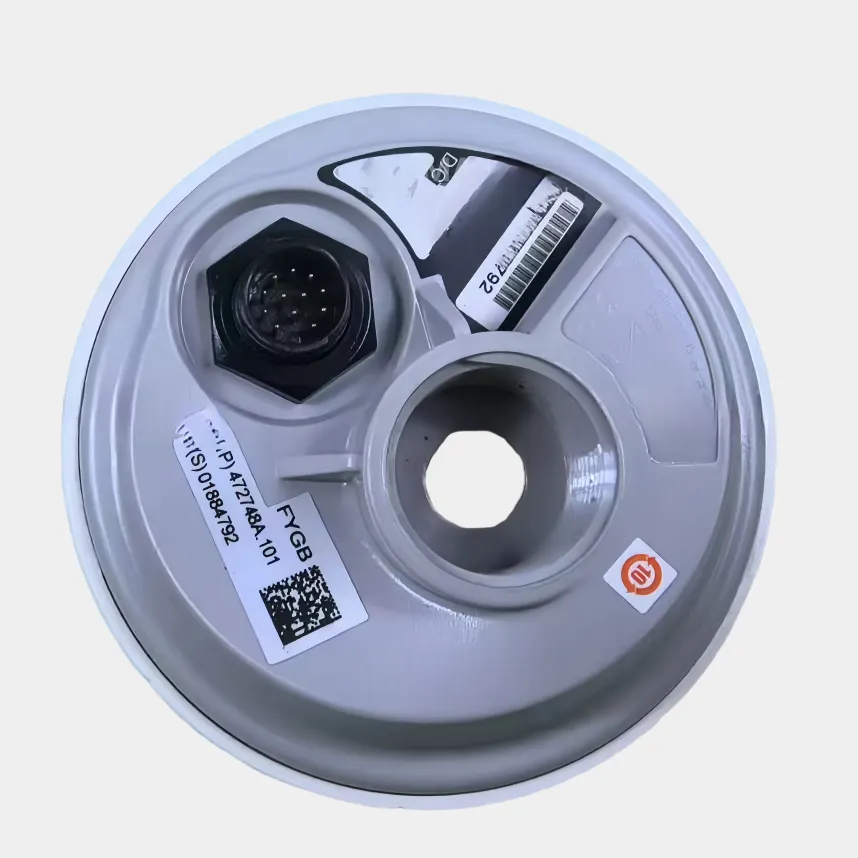

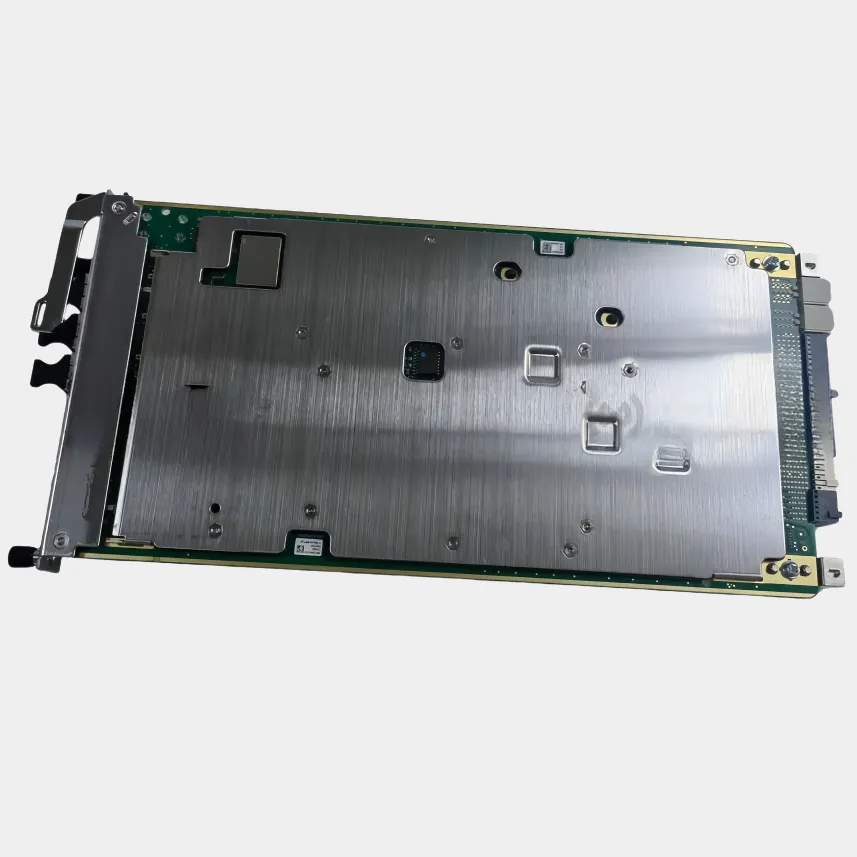
Hebei Mailing Communication Equipment Co., Ltd. offers high-quality RRU, BBU, and communication infrastructure solutions. Specializing in stable, high-strength equipment for global telecom, military, aerospace & industrial sectors. Trusted delivery worldwide.



 EN
EN