 ×
×
OLT (Optical Line Terminal) QoS (Quality of Service) configuration and management are critical processes in passive optical networks (PONs) that ensure reliable and differentiated service delivery to multiple subscribers. QoS mechanisms in OLTs prioritize traffic based on application requirements, preventing congestion and ensuring that high priority services like voice and video streaming maintain consistent performance even during peak usage. The core of OLT QoS lies in classifying traffic into different service classes, typically defined by standards such as ITU T G.984.4, which includes classes like EF (Expedited Forwarding) for low latency services, AF (Assured Forwarding) for assured bandwidth, and BE (Best Effort) for non critical data. Configuration involves setting parameters such as bandwidth limits, priority queues, and scheduling algorithms (e.g., Weighted Round Robin or Strict Priority) to allocate network resources appropriately. For example, voice traffic (EF) is assigned the highest priority with strict bandwidth guarantees to minimize jitter and latency, while video streaming (AF) may have assured bandwidth to prevent buffering, and web browsing (BE) uses remaining resources without guarantees. Management of OLT QoS requires continuous monitoring of traffic patterns and queue utilization. Network administrators use OLT management interfaces (e.g., CLI, SNMP, or web UIs) to track key metrics like delay, packet loss, and throughput for each service class. If congestion is detected in a high priority queue, adjustments such as increasing bandwidth allocations or reclassifying traffic can be made to restore performance. Dynamic QoS is increasingly important in modern PONs, allowing OLTs to adapt to real time traffic changes. This is achieved through mechanisms like DBA (Dynamic Bandwidth Allocation), which adjusts bandwidth 分配 based on subscriber demand. For instance, during evening hours when video streaming traffic peaks, the OLT can temporarily allocate more bandwidth to AF queues, ensuring smooth playback. Additionally, QoS policies must be aligned with service level agreements (SLAs) between ISPs and subscribers. OLTs support SLA enforcement by limiting bandwidth for users exceeding their allocated quota and providing detailed reports on QoS compliance. Security is also integrated into QoS management, with measures to prevent subscribers from falsifying traffic classes to gain unfair priority. Regular audits and policy reviews are essential to ensure QoS configurations remain effective as new services (e.g., 4K/8K video, IoT) are introduced, requiring updates to traffic classification rules and resource allocations. Proper OLT QoS configuration and management not only enhance user experience but also maximize network efficiency, allowing ISPs to offer tiered services and compete effectively in the market.
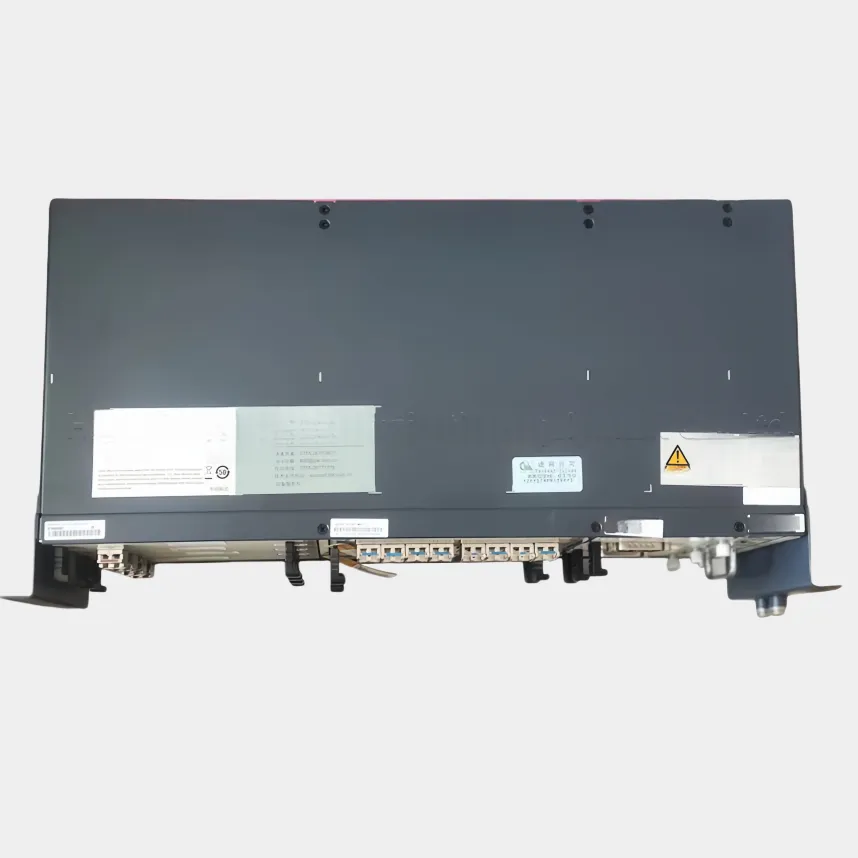
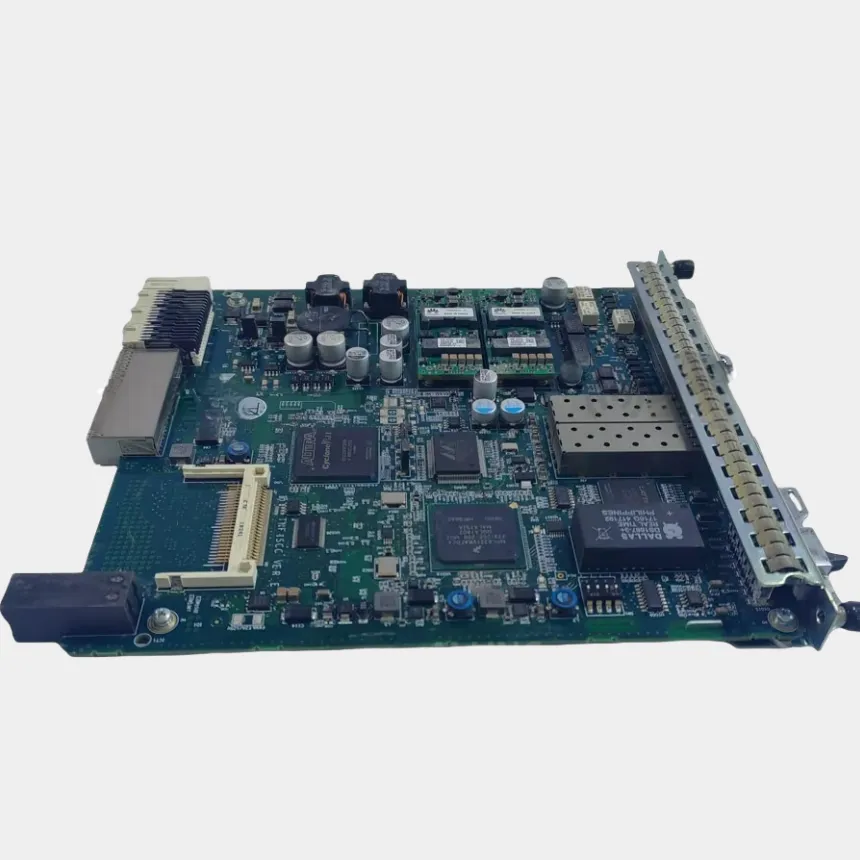
Hebei Mailing Communication Equipment Co., Ltd. offers high-quality RRU, BBU, and communication infrastructure solutions. Specializing in stable, high-strength equipment for global telecom, military, aerospace & industrial sectors. Trusted delivery worldwide.







 EN
EN