 ×
×
Communication equipment data security encompasses the set of technologies, protocols, and practices designed to protect data transmitted, processed, or stored by communication devices—including routers, switches, optical transceivers, OLTs, ONUs, and servers—from unauthorized access, interception, alteration, or destruction. In an era of increasing connectivity, where data flows across global networks supporting critical services like healthcare, finance, and government operations, securing communication equipment is paramount to safeguarding privacy, ensuring regulatory compliance, and maintaining trust in digital infrastructure. Key threats to data security in communication equipment include eavesdropping (interception of data in transit), man in the middle (MitM) attacks, firmware tampering, unauthorized access via weak credentials, and denial of service (DoS) attacks, each requiring targeted defenses. At the core of securing communication equipment is encryption, which encodes data to render it unreadable to unauthorized parties. For data in transit, protocols like Transport Layer Security (TLS) and its predecessor Secure Sockets Layer (SSL) encrypt data between devices, ensuring that even if intercepted, the information remains protected. In optical networks, encryption can be applied at the physical layer using techniques like AES (Advanced Encryption Standard) to secure data within optical transceivers, preventing eavesdropping on fiber optic cables. For wireless communication equipment, such as Wi Fi routers, WPA3 (Wi Fi Protected Access 3) replaces older, vulnerable standards like WEP and WPA2, using stronger encryption algorithms and individualized data encryption to protect against offline dictionary attacks. Authentication and access control are equally critical. Communication equipment must verify the identity of users, devices, or other network components before granting access. This is achieved through mechanisms like multi factor authentication (MFA), which requires two or more verification methods (e.g., passwords, biometrics, security tokens), and 802.1X, a network access control protocol that authenticates devices before allowing them to connect to a LAN or WLAN. Role based access control (RBAC) further restricts access to equipment settings based on user roles, ensuring that only authorized personnel (e.g., network administrators) can modify critical configurations, while limiting others to monitoring or basic functions. Firmware and software security are vital, as vulnerabilities in these components can provide entry points for attackers. Manufacturers must regularly release firmware updates to patch known vulnerabilities, and network operators must implement processes to apply these updates promptly. Secure boot mechanisms ensure that only digitally signed, authorized firmware can run on the equipment, preventing the installation of malicious software. Additionally, runtime integrity checks monitor firmware for unauthorized modifications during operation, triggering alerts or shutting down the device if tampering is detected. Physical security of communication equipment complements digital measures. Physical access to devices—such as routers in data centers or OLTs in street cabinets—must be restricted using locks, biometric scanners, or security personnel, as physical tampering can bypass digital defenses (e.g., installing keyloggers or altering hardware components). Environmental monitoring, including motion sensors and surveillance cameras, further deters unauthorized access and provides an audit trail of physical interactions with equipment. Network segmentation is a strategic approach to limit the impact of a security breach. By dividing a network into smaller, isolated segments, communication equipment in one segment (e.g., a customer ONU) cannot access sensitive data in another (e.g., the OLT managing billing information) without explicit authorization. Firewalls, both at the network and device level, enforce access control policies between segments, blocking unauthorized traffic while allowing legitimate communication. Intrusion detection and prevention systems (IDPS) monitor network traffic for suspicious activity—such as unusual data patterns or known attack signatures—and either alert administrators or automatically block the threat, mitigating potential damage. For industrial communication equipment, which often operates in legacy systems with limited security features, additional measures are necessary. These include air gapping critical systems from public networks, using industrial firewalls designed for SCADA (Supervisory Control and Data Acquisition) systems, and implementing protocol specific security (e.g., MQTT with TLS for IoT devices) to protect against industrial espionage or sabotage. Regulatory compliance drives many security practices, with standards like GDPR (General Data Protection Regulation) in Europe, HIPAA (Health Insurance Portability and Accountability Act) in the U.S., and ISO 27001 mandating specific security controls for communication equipment handling sensitive data. Compliance ensures that equipment meets minimum security requirements, reducing legal and financial risks for organizations. Finally, security awareness and training for personnel are essential, as human error—such as using weak passwords or falling for phishing scams—remains a leading cause of security breaches. Regular training programs educate staff on best practices for securing communication equipment, recognizing threats, and responding to incidents, creating a culture of security that complements technical defenses. In summary, communication equipment data security is a multi layered discipline that combines encryption, authentication, firmware protection, physical security, network segmentation, and regulatory compliance to defend against evolving threats, ensuring the confidentiality, integrity, and availability of data in global communication networks.
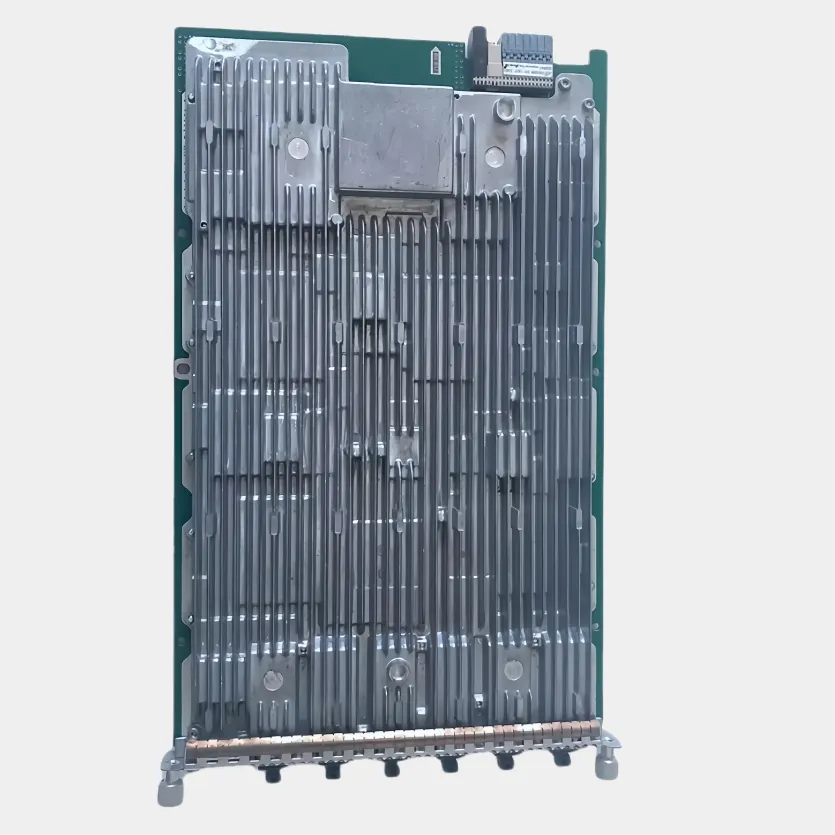
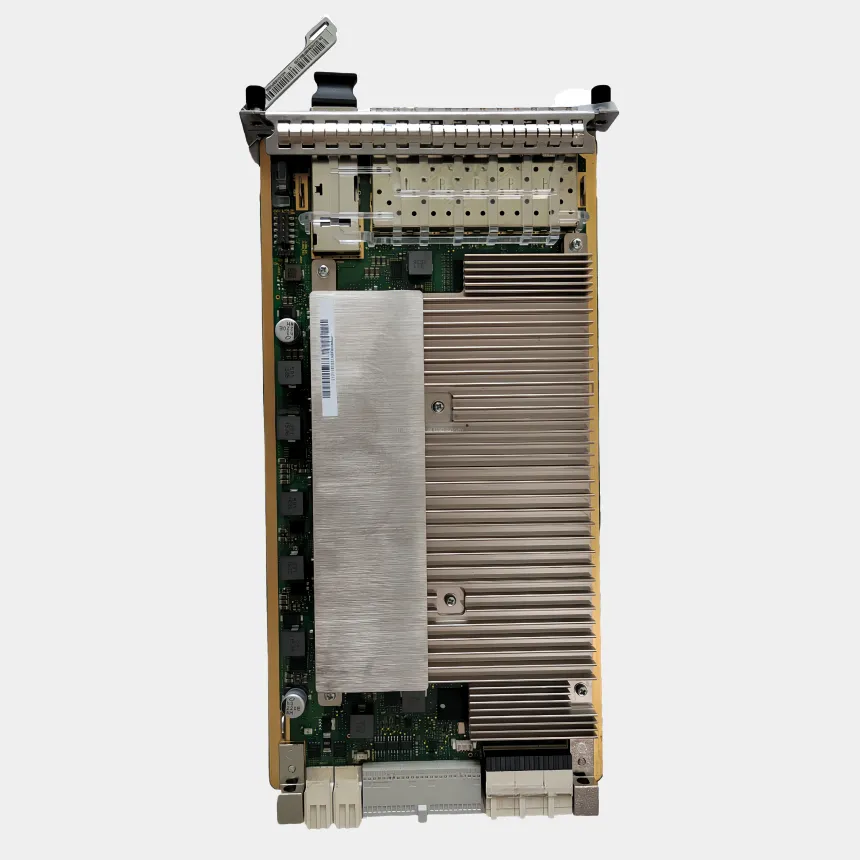
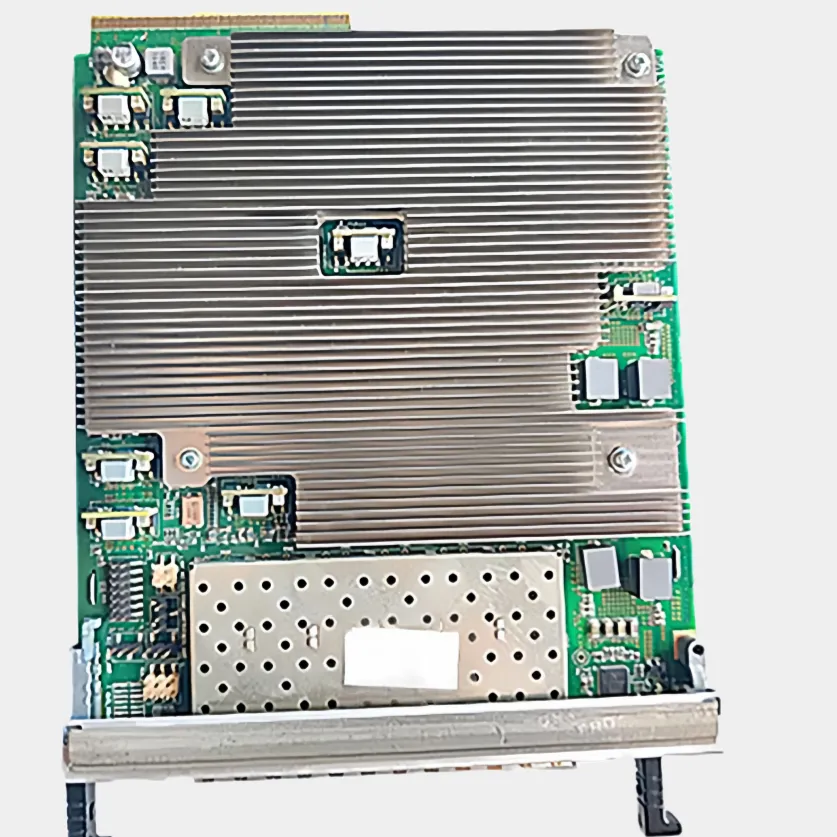
Hebei Mailing Communication Equipment Co., Ltd. offers high-quality RRU, BBU, and communication infrastructure solutions. Specializing in stable, high-strength equipment for global telecom, military, aerospace & industrial sectors. Trusted delivery worldwide.


 EN
EN