 ×
×
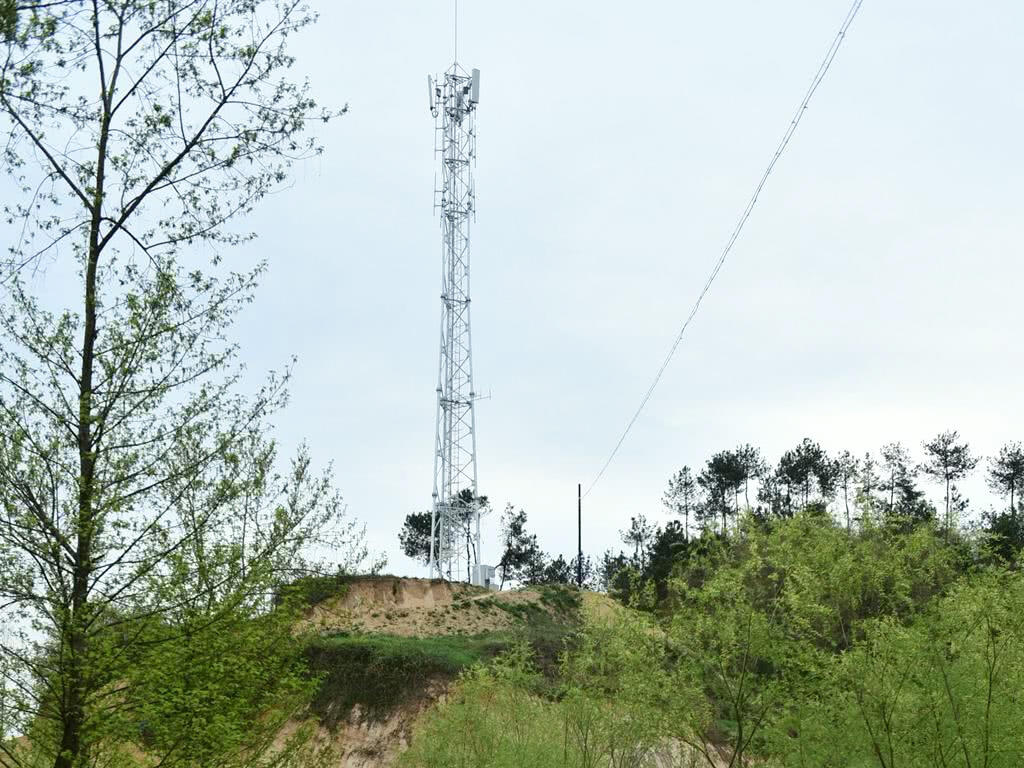
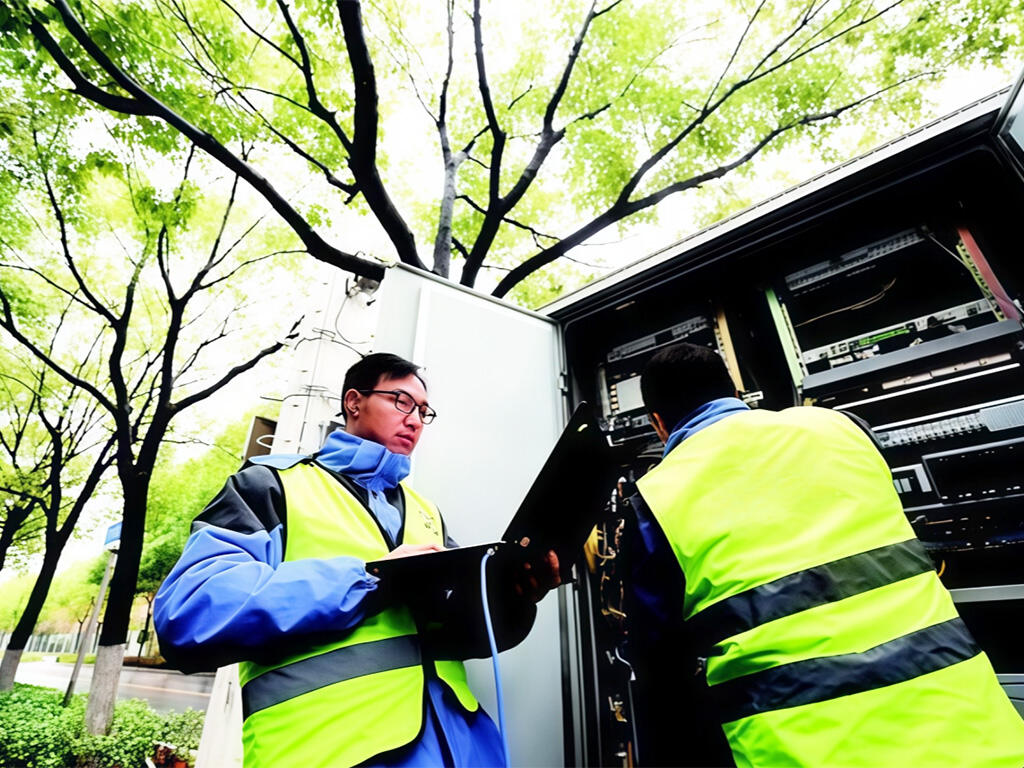
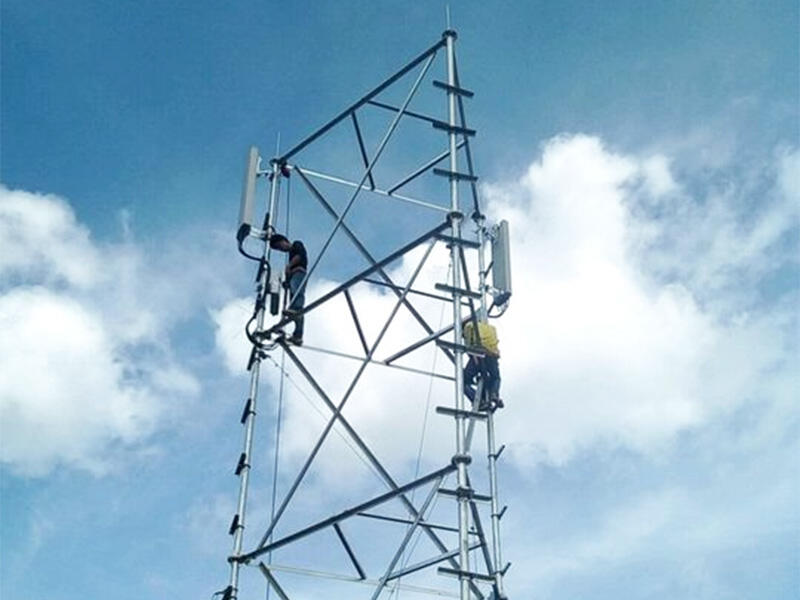
5G radio network optimization is a comprehensive and iterative process aimed at maximizing the performance, reliability, and efficiency of 5G wireless networks. It involves a systematic analysis and adjustment of various network parameters to ensure optimal coverage, capacity, and quality of service (QoS) for end users. One of the key focuses of 5G optimization is addressing the unique characteristics of 5G technology, such as higher frequency bands (mmWave and sub 6 GHz), massive MIMO (Multiple Input Multiple Output), and ultra dense network deployments. These features, while enabling high data rates and low latency, present challenges like increased path loss, limited coverage range, and interference issues. Optimization efforts begin with detailed network planning, including site selection, antenna configuration, and power allocation, to lay a solid foundation. Once deployed, continuous monitoring using advanced tools and algorithms is essential to collect real time data on key performance indicators (KPIs) such as signal strength, throughput, latency, and call drop rates. Based on this data, engineers can adjust parameters such as beamforming patterns, handover thresholds, and resource block allocation to mitigate interference and enhance coverage in weak signal areas. Another critical aspect is load balancing, which ensures that traffic is evenly distributed across cells to prevent congestion and maximize network capacity. This is particularly important in 5G networks that support a wide range of applications, from high bandwidth video streaming to mission critical IoT services with strict latency requirements. Additionally, 5G radio network optimization involves adapting to dynamic changes in user behavior and traffic patterns, such as peak hours in urban centers or large events, through dynamic resource allocation and network slicing. Network slicing allows operators to create dedicated virtual networks tailored to specific applications, ensuring each slice meets its unique QoS requirements. Regular drive tests and walk tests are also conducted to validate network performance in real world scenarios, identifying areas for improvement that may not be captured by centralized monitoring systems. By continuously refining the network through these optimization techniques, operators can deliver a seamless 5G experience, enabling the full potential of emerging technologies like autonomous vehicles, remote surgery, and smart grids.
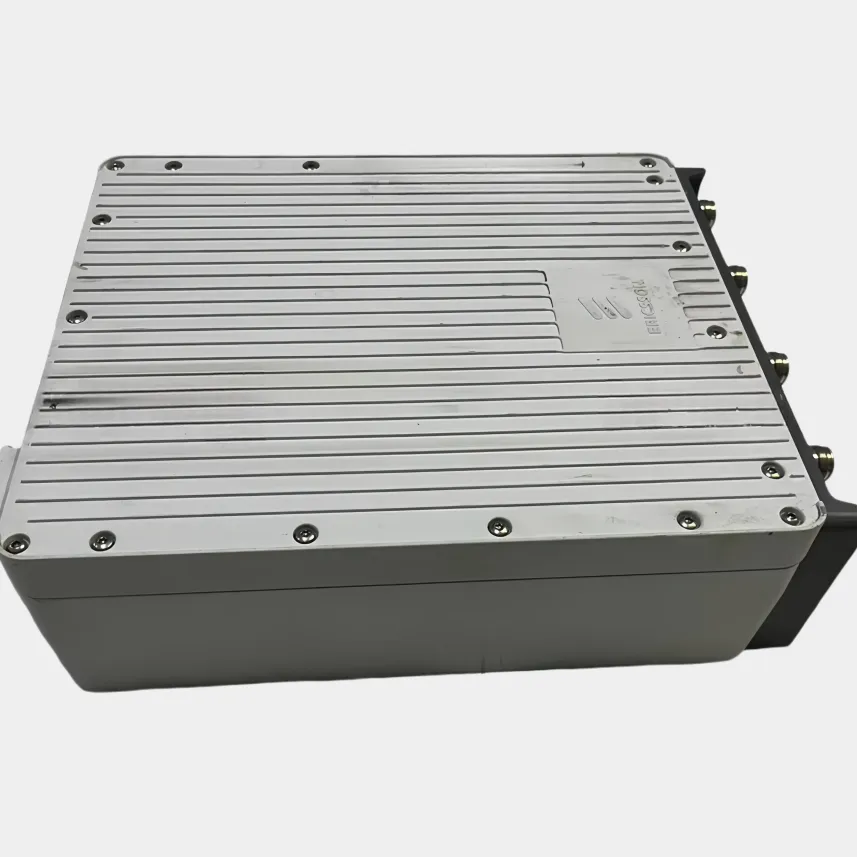
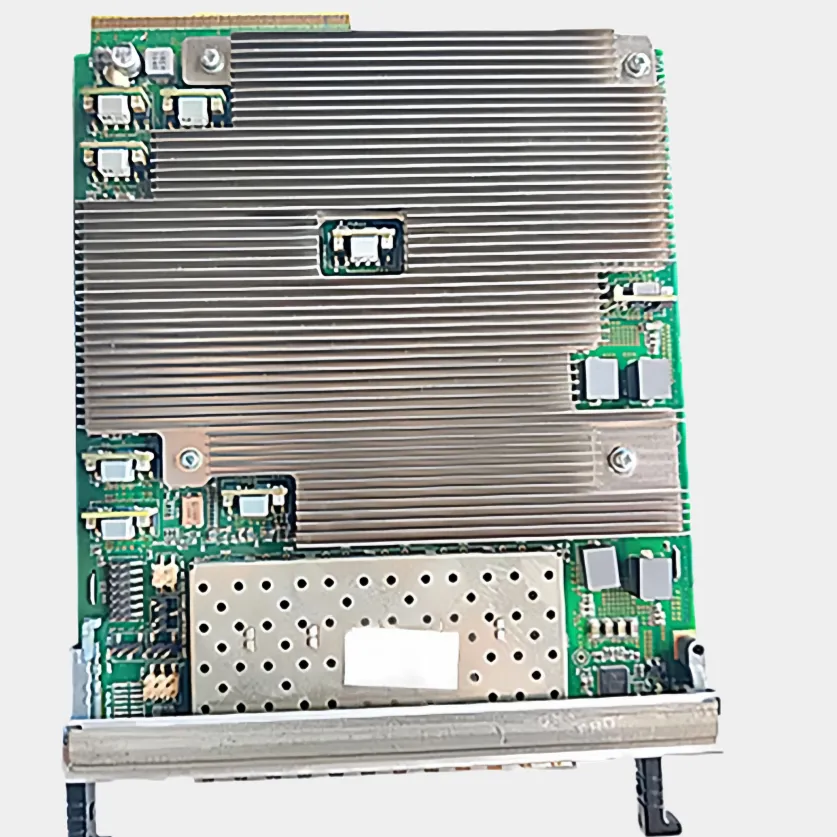
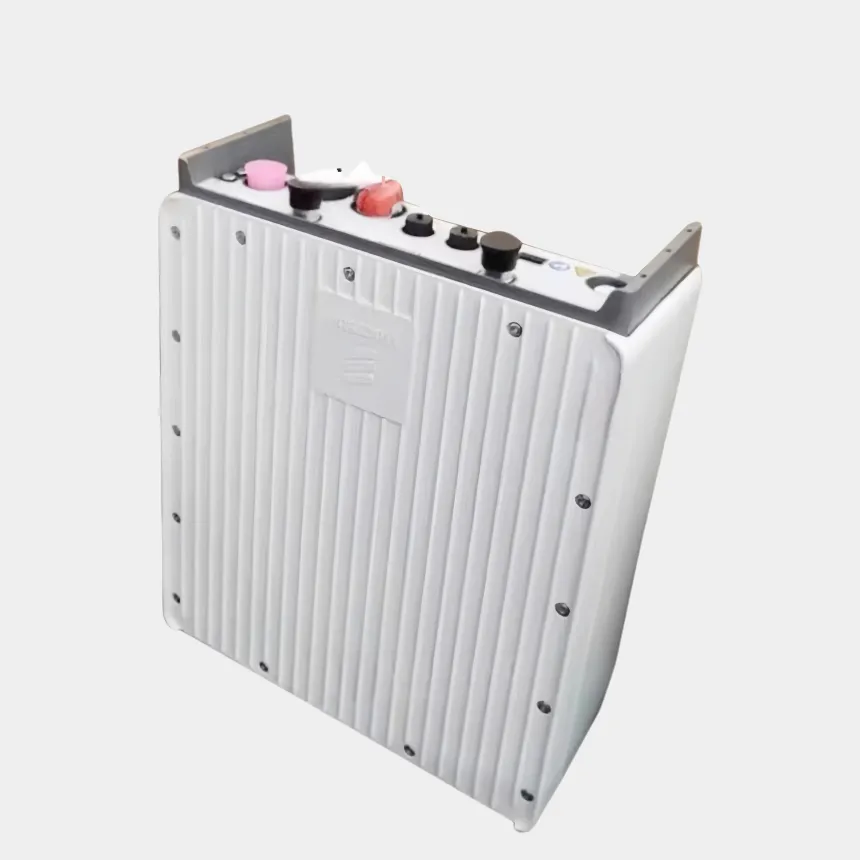
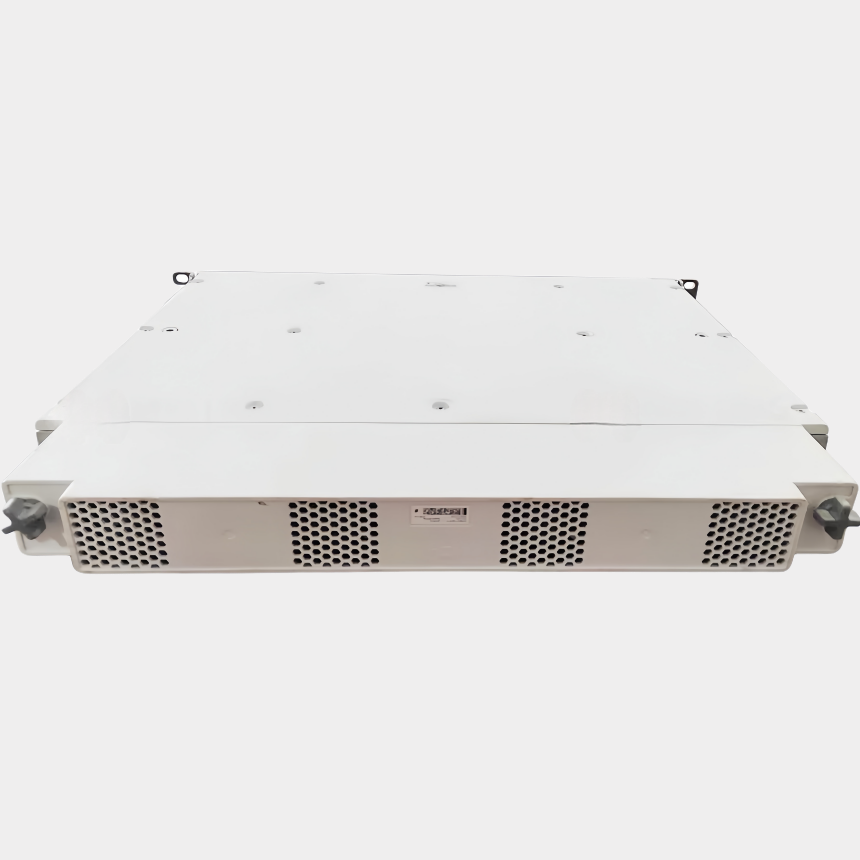
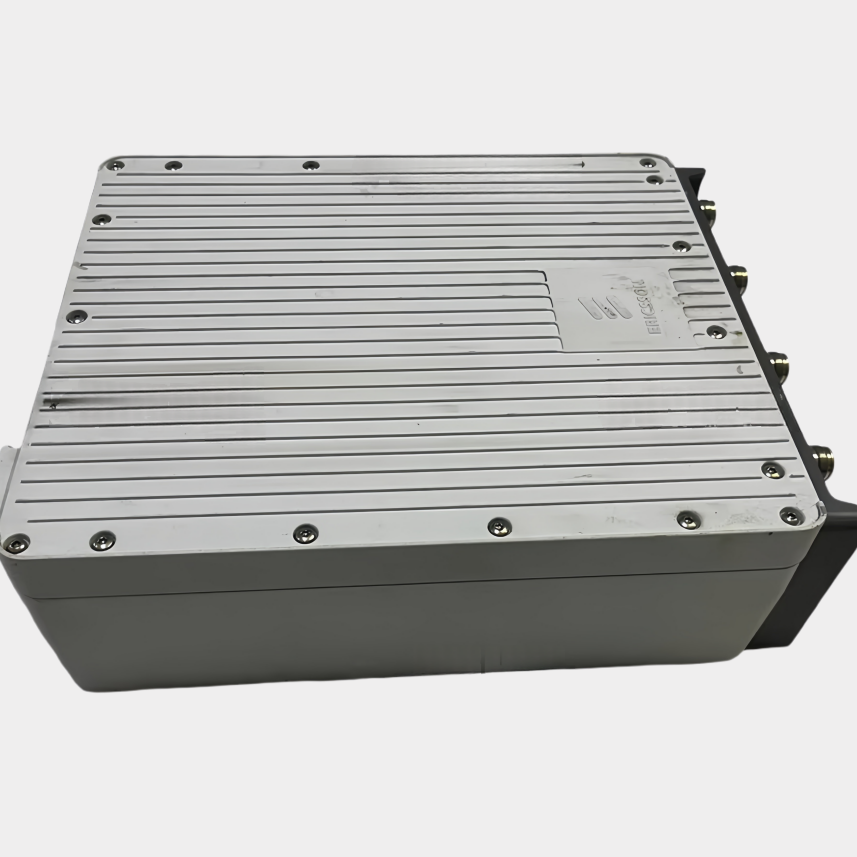
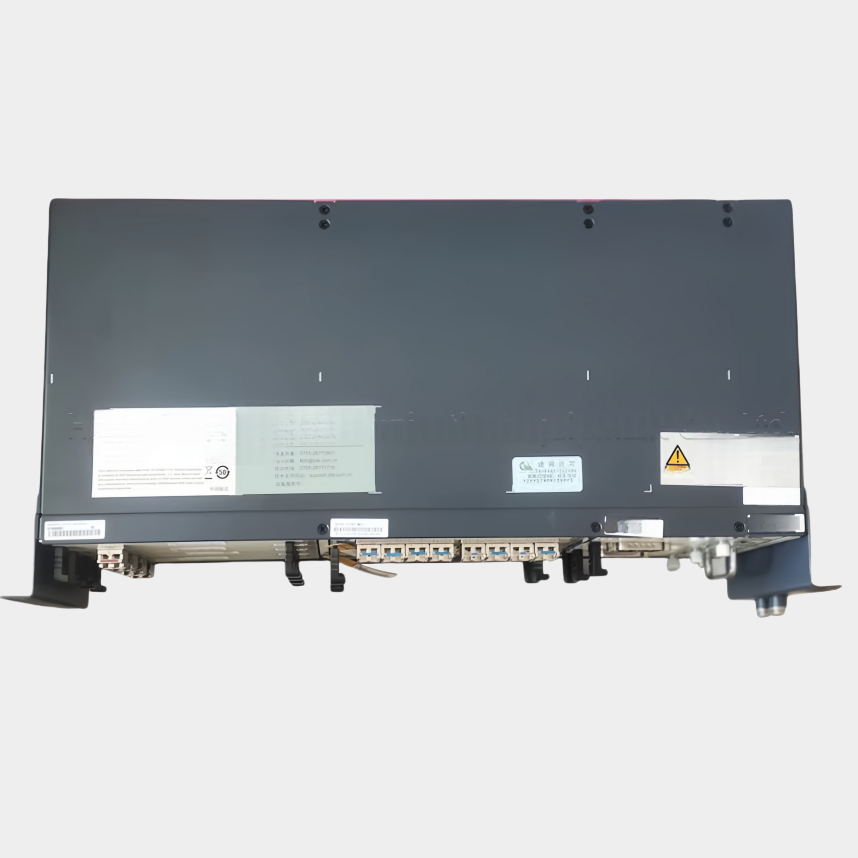
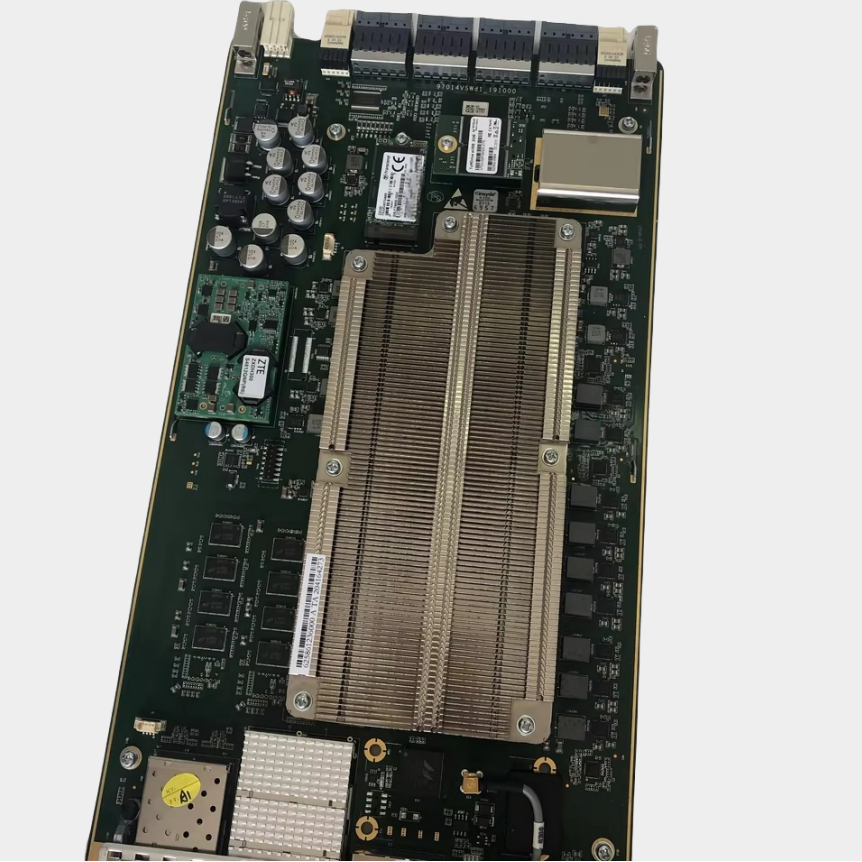
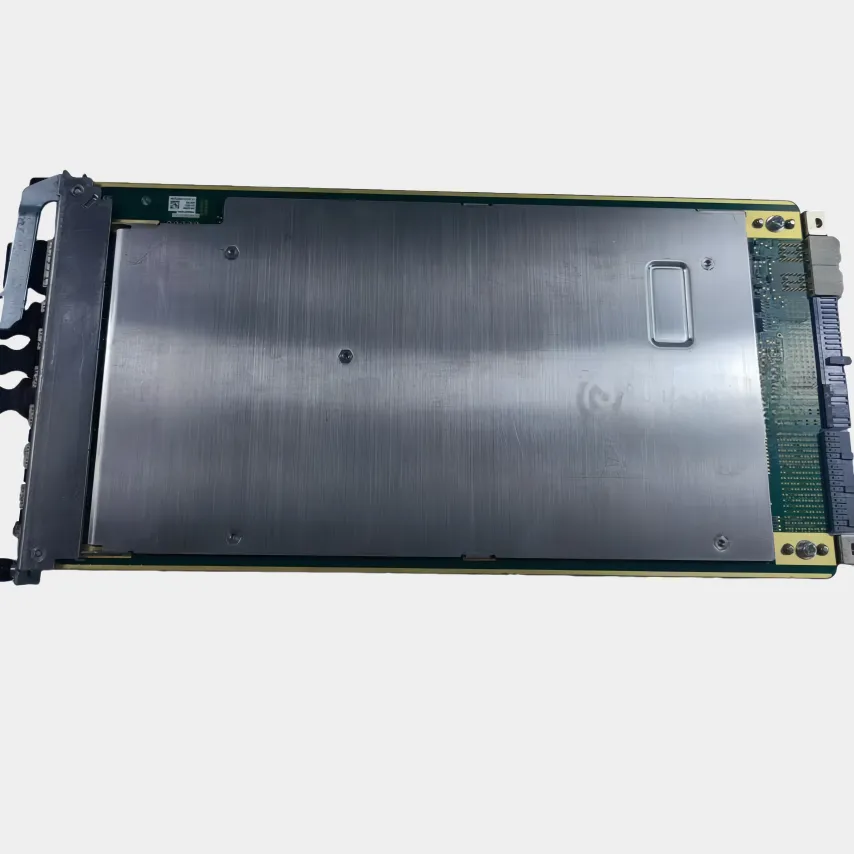
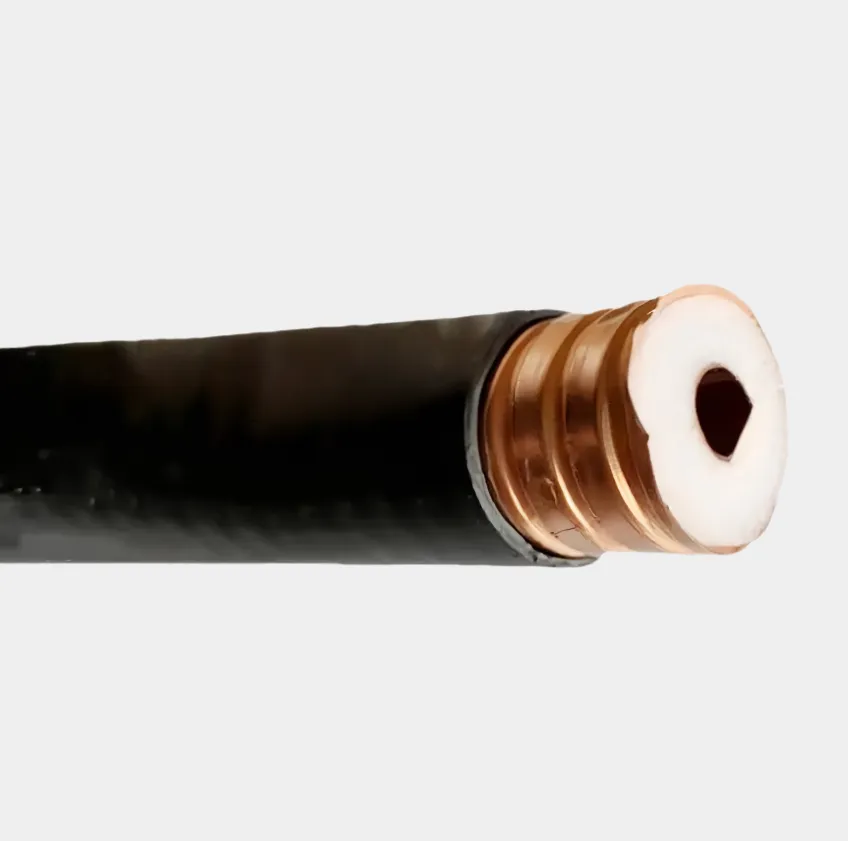
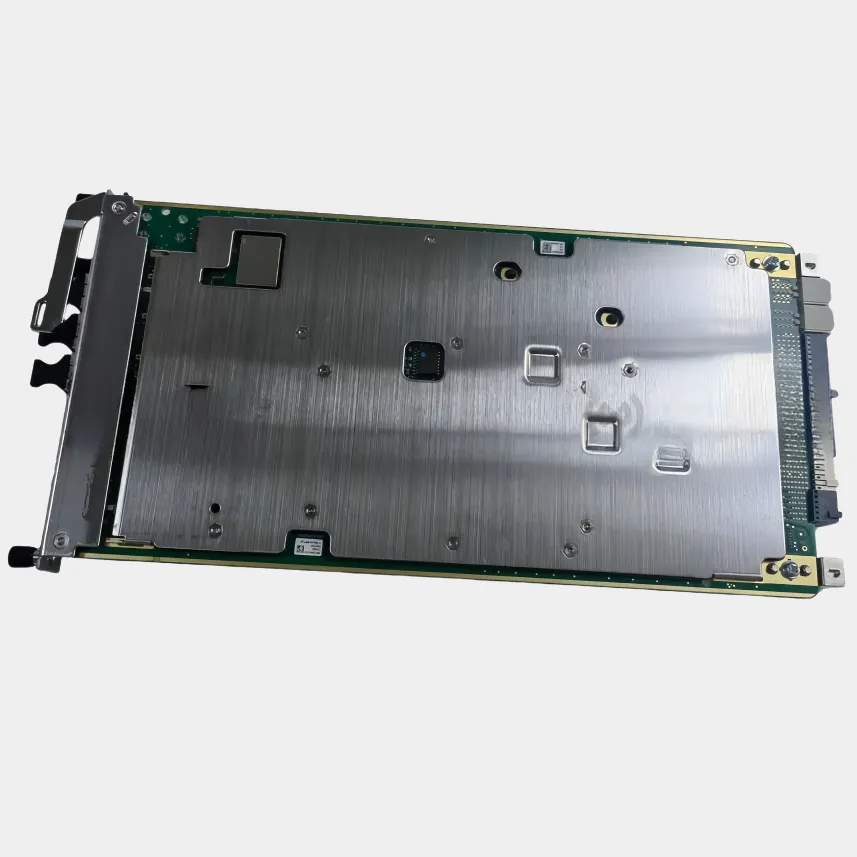
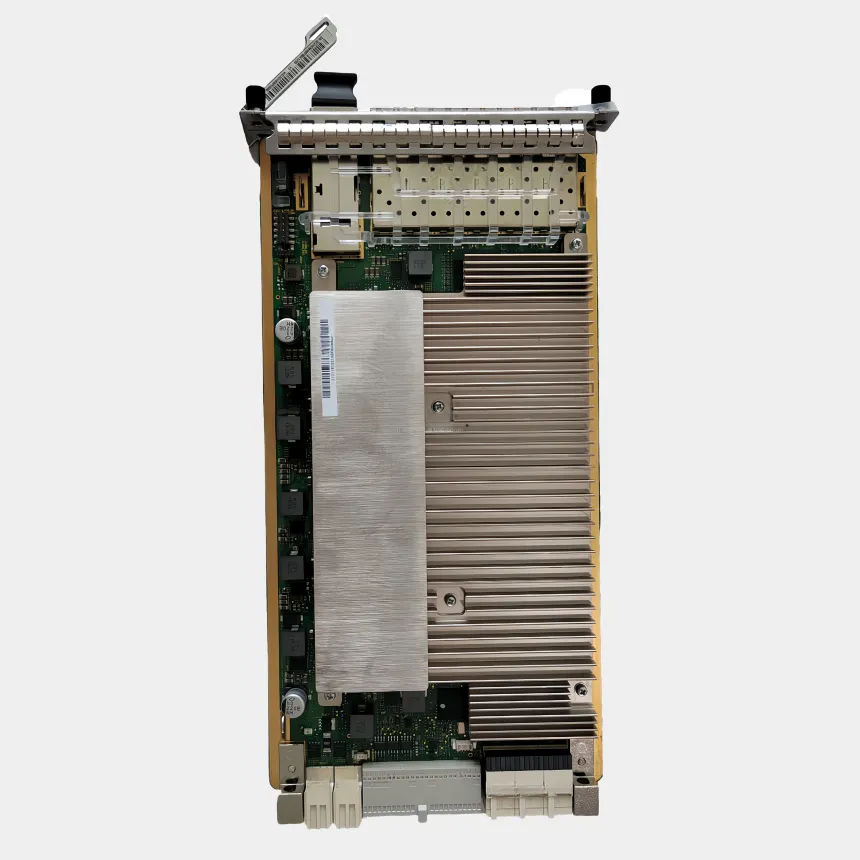
Hebei Mailing Communication Equipment Co., Ltd. offers high-quality RRU, BBU, and communication infrastructure solutions. Specializing in stable, high-strength equipment for global telecom, military, aerospace & industrial sectors. Trusted delivery worldwide.


 EN
EN