 ×
×
OLT (Optical Line Terminal) splitting ratio calculation and optimization are essential processes in passive optical networks (PONs) that determine how many ONUs (Optical Network Units) can be connected to a single OLT port via optical splitters, balancing network capacity, signal quality, and deployment costs. The splitting ratio (e.g., 1:8, 1:16, 1:32, 1:64) represents the number of ONUs sharing the optical power and bandwidth from one OLT port, with higher ratios enabling more subscribers but potentially reducing signal strength and increasing latency. Calculating the optimal splitting ratio begins with analyzing the optical power budget, which is the maximum allowable loss between the OLT and ONUs. This budget includes the OLT’s transmit power, ONU receiver sensitivity, and losses from splitters, fiber cables, connectors, and splices. For example, a 1:32 splitter introduces approximately 15.5dB of loss, while a 1:64 splitter adds 18.5dB. Engineers must ensure that the total loss (splitter loss + fiber loss + connector/splice loss) does not exceed the power budget, which is typically 28 32dB for GPON systems and higher for XGS PON (up to 35dB). Bandwidth requirements are another key factor. Each ONU shares the OLT port’s total bandwidth (e.g., 2.5Gbps downstream for GPON), so higher splitting ratios reduce the available bandwidth per subscriber. For residential areas with moderate usage (web browsing, streaming), a 1:32 ratio may suffice, providing ~78Mbps per ONU. In dense urban areas with high bandwidth demands (4K video, gaming), a 1:16 ratio ensures more bandwidth (~156Mbps per ONU), though this increases hardware costs due to more OLT ports and splitters. Latency and QoS requirements also influence the ratio. Services like voice and video conferencing require low latency, which can degrade with higher ratios due to increased contention for bandwidth. Dynamic Bandwidth Allocation (DBA) in OLTs helps mitigate this by prioritizing high priority traffic, but it has limits—optimization may involve using lower ratios (1:8) in areas with heavy real time traffic. Deployment costs
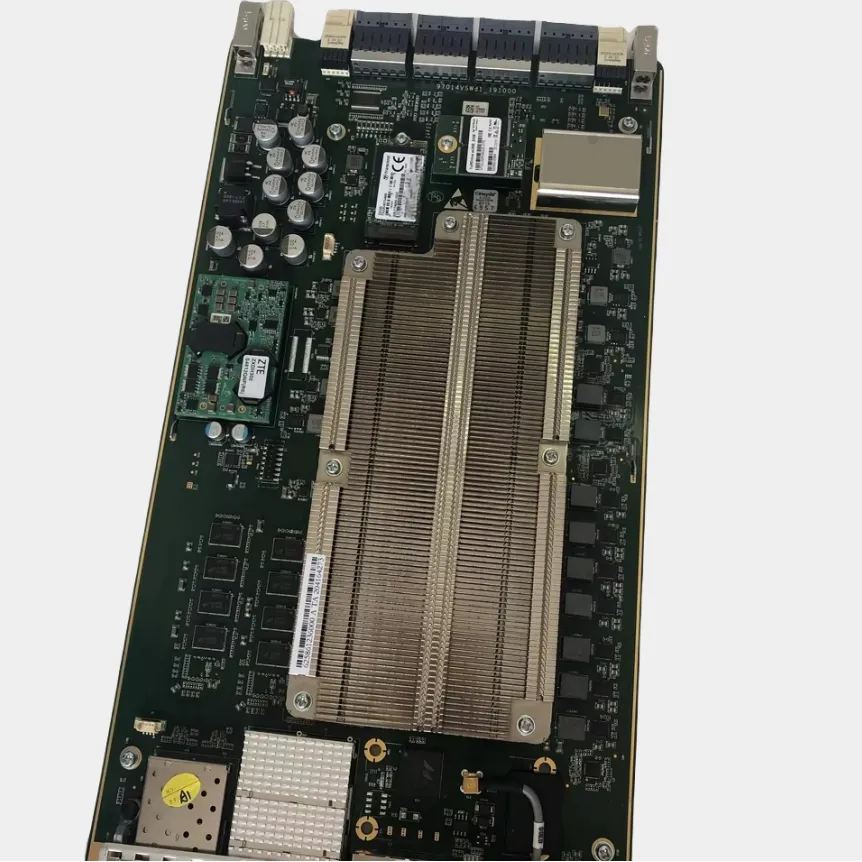
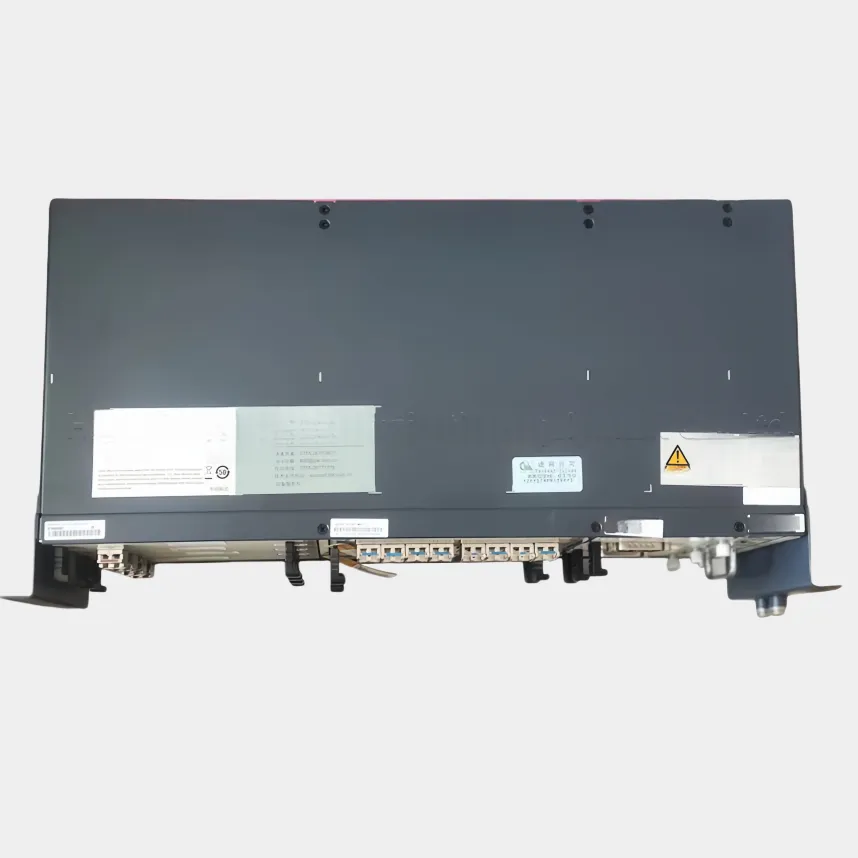
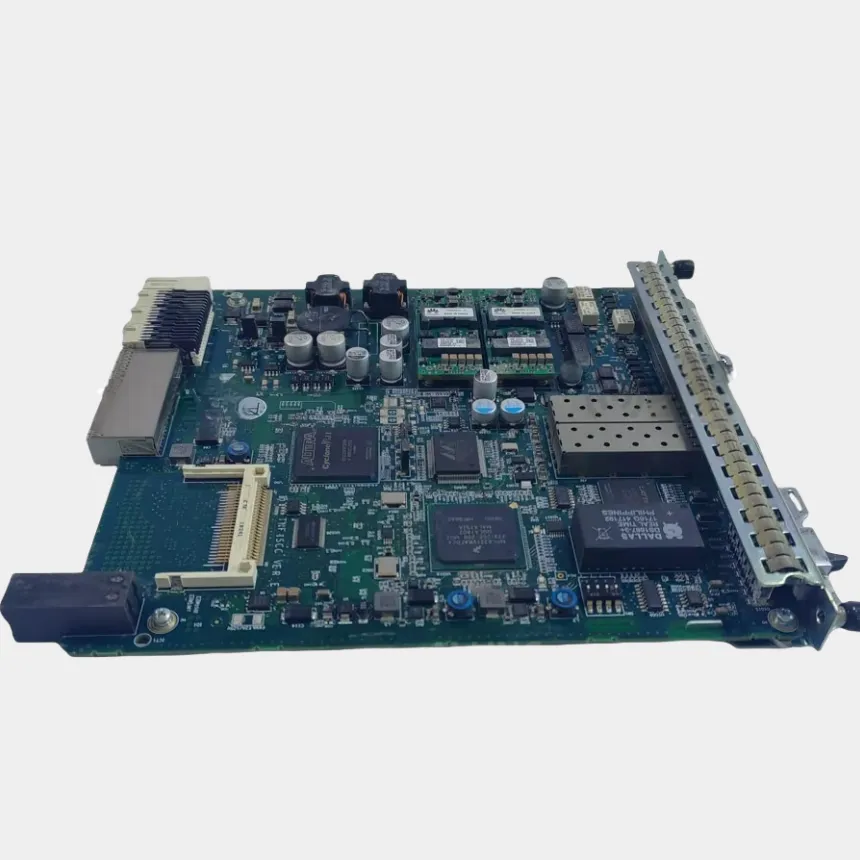
Hebei Mailing Communication Equipment Co., Ltd. offers high-quality RRU, BBU, and communication infrastructure solutions. Specializing in stable, high-strength equipment for global telecom, military, aerospace & industrial sectors. Trusted delivery worldwide.




 EN
EN